
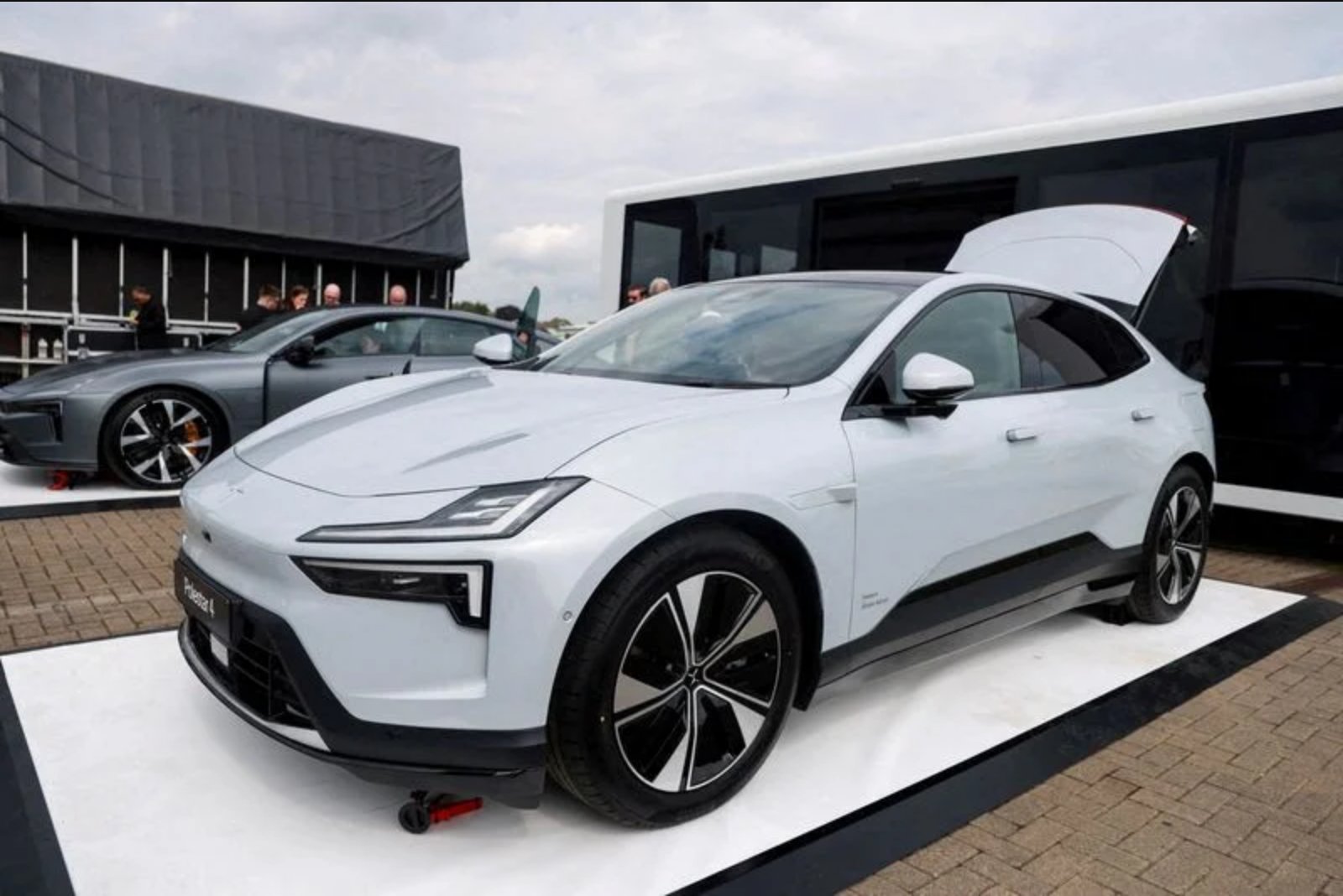
DETROIT, June 29 - A recent federal decision preventing Polestar from receiving authorization to sell new model year 2027 vehicles in the United States has left buyers and dealers scrambling to assess the implications for warranties, connectivity and resale values.
The electric vehicle maker, majority-owned by China’s Geely Holding, was informed last week that it will not be granted an authorization to sell new models in the U.S. under a federal rule that restricts vehicles equipped with connected-vehicle technology linked to Chinese entities. The rule, which targets national security concerns tied to the collection of sensitive data on American owners, was adopted in January 2025 and remains in place under the current administration.
For customers such as Ryan Rodriguez, the news came as an unexpected complication after he secured a favorable deal on a model year 2024 Polestar earlier this month. Rodriguez said he did not foresee the brand entering regulatory difficulty in the U.S., and he flagged concerns about longer-term warranty and service support. "I’m trying to stay optimistic," he said, noting that had he known about the restriction he might have considered a different purchase. "Five years down the road, what’s the plan?"
Polestar has said it will continue to sell vehicles built for model years before 2027 in the U.S. and will maintain access to its service network for those cars. The company had planned to introduce a 2027 model year Polestar 4 SUV and a Polestar 7 compact SUV in the American market, a spokesperson said.
Dealerships that invested to bring the brand to the U.S. reported surprise and frustration. Some dealers noted the contrast with Volvo Cars, Polestar's sister brand, which received an authorization for its models in May. Matthew Haiken, whose dealership in New Jersey is both one of the earliest and among the largest Polestar outlets, described the decision as difficult to reconcile. "It just doesn't make sense how some brands could get a green light and we got a red light," he said.
Haiken recalled the effort required to win authorization to be a Polestar dealer in 2021 and said he had been preparing a new Polestar location in New Jersey ahead of the anticipated rollout of new models. With the setback, he said his business will need to rely more heavily on servicing existing cars and selling used models instead of counting on fresh model launches to drive showroom traffic.
On Polestar forums and social media, reactions among owners and prospective buyers have been mixed. Some shoppers anticipated potential bargains if resale values decline, drawing comparisons to the market for another EV maker that filed for bankruptcy in 2024. That bankruptcy, some said, led to deep discounts but also to problems with service access and connectivity for affected vehicles.
One user on Reddit wrote, "I’ve been waiting for a cheap used Polestar 2, now may be my chance." At the same time, other owners expressed unease about whether software updates and connected features for U.S. vehicles will be maintained at the same level as models sold in other markets.
Polestar stated that software updates and vehicle support will continue to be delivered in accordance with the company's existing product and service plans. The company also highlighted that its U.S. service footprint consists of 32 centers, which are based in Volvo dealerships, and that those centers will provide service for pre-2027 vehicles.
Industry observers suggested that the presence of Volvo's established U.S. network could mitigate some of the negative impacts on Polestar owners. Karl Brauer, an executive analyst, noted that the availability of the sister brand in the U.S. "really blunts a lot of the otherwise negative effects."
Longtime Polestar drivers voiced concerns about the longer-term picture. Bill Baird, who owns a 2024 Polestar, said he and his wife enjoy the car and hope to keep it for years, but the prospect of limited future model availability made him hesitant about upgrading in the future. "I’d be a little wary of that, just for long-term support," he said. He added that obtaining service from Volvo dealerships has been difficult in his experience, and he worries about the consequences if Polestar dealers were to exit the market.
For now, Polestar's statement that it will continue to supply service through its 32 U.S. centers provides a degree of assurance. Yet the denial of authorization for new 2027 and later models forces owners, dealers and potential buyers to weigh the practicalities of long-term service, software maintenance and resale liquidity when evaluating the brand in the American market.
Additional context and options being discussed by owners and dealers
- Some owners are considering buying now to enjoy near-term pricing advantages while accepting the uncertainty around future support.
- Dealers that anticipated new-model inventory are planning to pivot toward used-vehicle sales and service revenues to sustain operations.
- Observers point to Volvo's continued authorization and network presence as a mitigating factor for U.S. owners seeking parts or service access.