
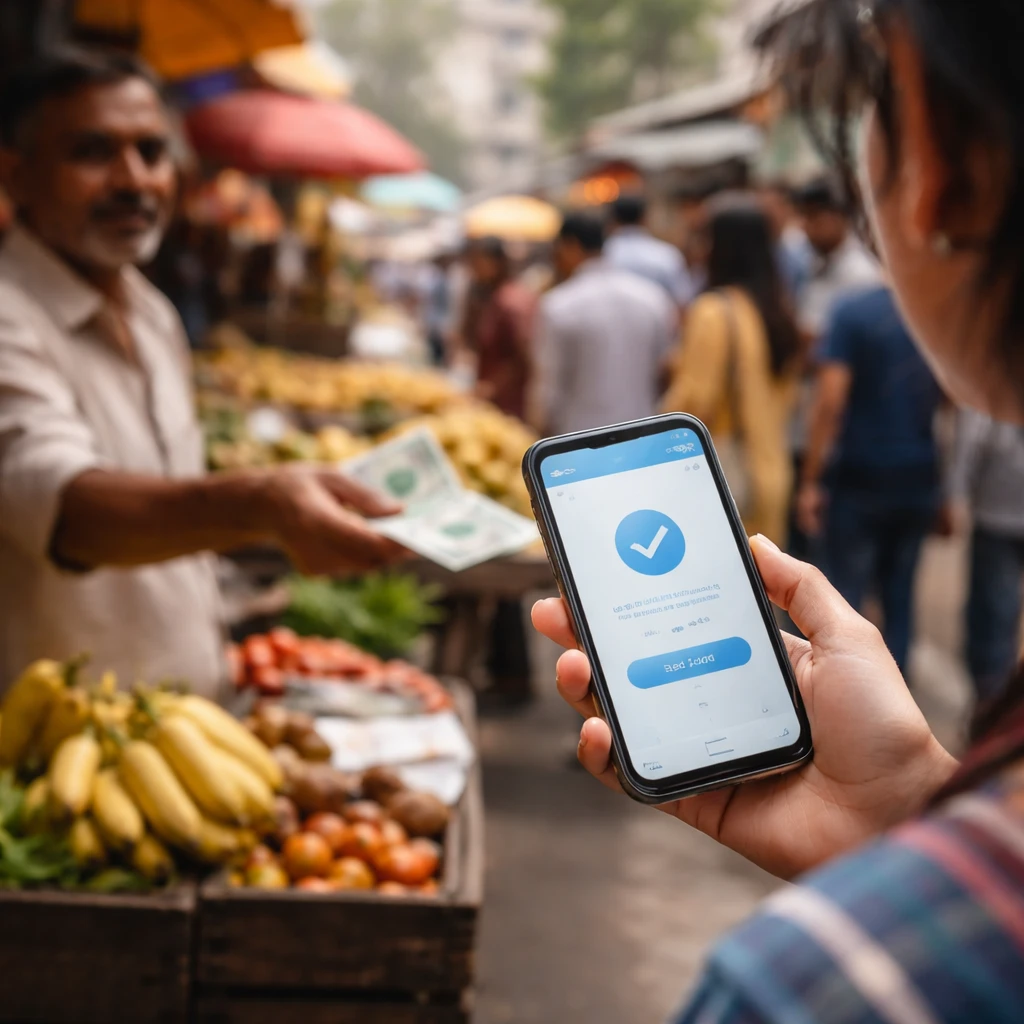
PhonePe, the Walmart-backed Indian fintech widely used for digital payments, is seeking a valuation in the range of $9 billion to $10.5 billion as it prepares to list, two people with direct knowledge of the matter said. The proposed price band suggests the initial public offering could raise about $900 million to $1.05 billion.
If the deal prices at the top end of that range, it would still represent a reduction from the $12 billion valuation at which PhonePe last raised $100 million in private markets in 2023. According to the firm’s IPO filing, Walmart will reduce its stake by roughly 12% through the offering, while Tiger Global and Microsoft intend to exit their holdings.
The three investors are expected to sell approximately 50.7 million shares in the transaction. PhonePe is not planning to issue any new shares as part of the offer, the filing shows.
The company, which competes with Google Pay and Paytm in India’s payments market, originally filed for a public listing in September. One of the sources said PhonePe hopes to complete the IPO by April, though the timing could change in response to capital market conditions, including any effects from the conflict in the Middle East. Both sources spoke on condition of anonymity because the discussions are confidential.
Attempts to reach PhonePe, Walmart, Tiger Global and Microsoft for comment did not receive immediate responses, according to inquiries sent by email.
PhonePe - whose name translates to "on the phone" in Hindi - would rank as India’s second-largest fintech public offering if it lists within the indicated valuation band, trailing only Paytm’s listing, which was around $20 billion in 2021. Paytm currently trades at a market capitalisation of $7.1 billion.
Regulatory data cited in PhonePe’s filing underscores the scale of its user footprint: the company reports more than 650 million registered users and that it processed nearly 10 billion of the 21.7 billion transactions on India’s unified payments interface, or UPI, in January.
Despite its volume, the payments business in India remains low-margin, a structural factor that complicates monetisation. India launched UPI in 2016 and prohibited companies from charging fees for the instant payment service, a policy intended to accelerate adoption of digital payments and reduce cash use. That regulatory setup constrains direct fee revenue from core payment flows.
Financials disclosed in the IPO filing show PhonePe’s losses widened to 14.44 billion rupees for the six months ended September 30, up from 12.03 billion rupees a year earlier. Over the same period, revenue increased by about 22% to 39.18 billion rupees. The filing also notes the exchange rate used in the filing: $1 = 92.1730 Indian rupees.
Investor feedback gathered during pre-IPO roadshows indicates some cooling in sentiment toward the country’s fintech sector, two portfolio managers who met with PhonePe’s management said. One of those managers captured a common concern succinctly: "Monetisation remains a question mark. Active users aren’t growing at the same pace so the game is all about upsell and that remains to be seen."
A banker on the deal added that investors view India’s fintech market as crowded, with limited differentiation across players. That view adds uncertainty over whether PhonePe can command a premium valuation relative to its last private funding round.
These market and monetisation questions may help explain why PhonePe is pursuing an offering in which existing investors will sell shares, rather than issuing new equity to raise fresh capital. The company’s filing and the comments from investors and bankers underline both the scale of PhonePe’s operations and the open questions investors are weighing ahead of a potential public debut.
Note: Sources in this report requested anonymity because they were not authorised to speak publicly. All figures and timing remain subject to change based on market conditions.