
Stock Markets March 13, 2026

Pentagon Weighs Additional Warships for Strait of Hormuz as Attacks Rise

U.S. Central Command seeks destroyers and Marine vessels to prepare for possible tanker escorts amid heightened Iranian activity

By Marcus Reed
Pentagon Weighs Additional Warships for Strait of Hormuz as Attacks Rise

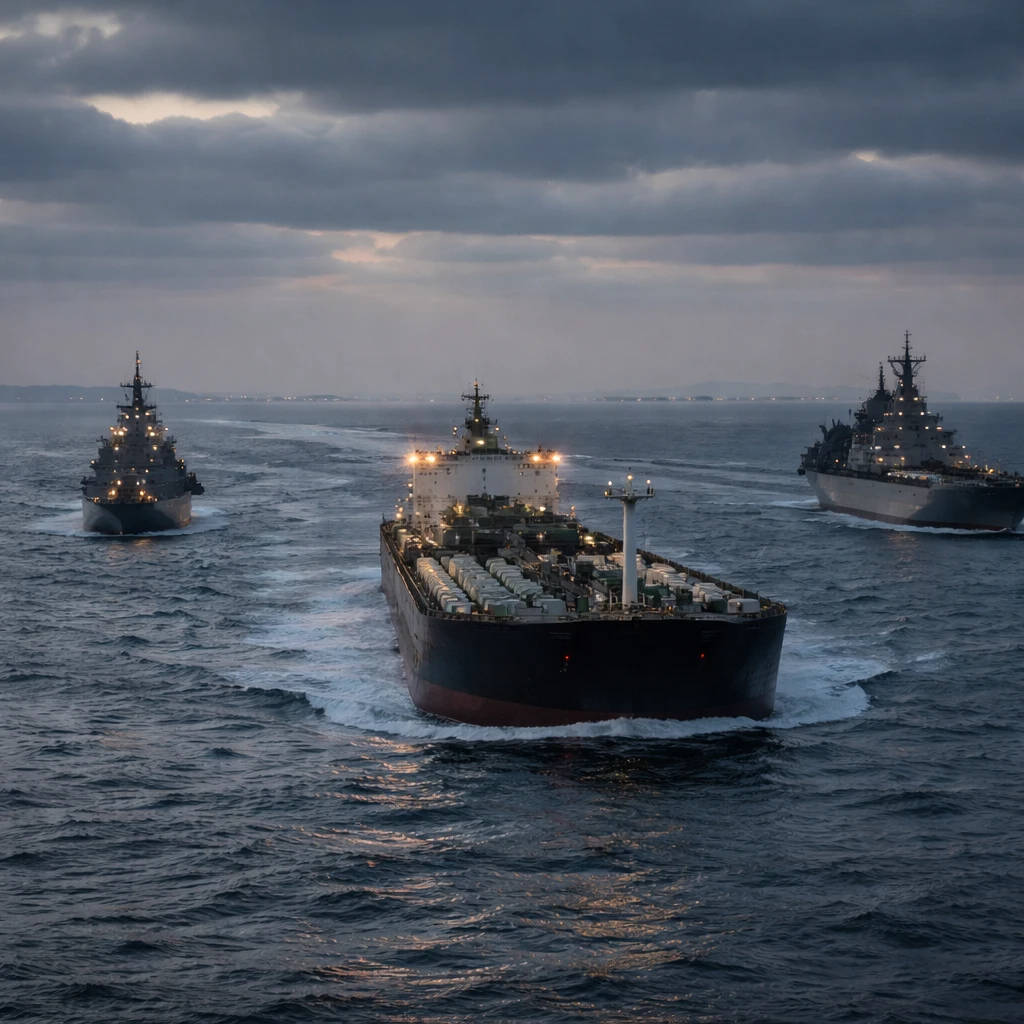
U.S. defense officials say the Pentagon is evaluating a plan to send extra warships to the Middle East to stand by for potential escort missions through the Strait of Hormuz, where renewed attacks tied to Iran have raised concerns for commercial shipping and oil flows. U.S. Central Command has requested more destroyers and Marine Corps warships, though escorts would not begin until the immediate threat subsides, a process officials estimate could take a month or longer.

Key Points

  • U.S. Central Command has requested additional destroyers and Marine Corps warships to strengthen protection for commercial vessels transiting the Strait of Hormuz.
  • Approximately 20% of global oil supply typically moves through the Strait of Hormuz, underscoring the chokepoint's importance to energy markets.
  • Escort missions would not start until U.S. officials judge the threat from Iran has diminished, which could take a month or more while U.S. strikes continue against Iranian missile and drone assets.

The Pentagon is reviewing options to deploy additional naval assets to the Middle East as a precautionary step to protect commercial shipping through the Strait of Hormuz, U.S. officials told reporters. The move comes amid a rise in attacks in and around the strategic waterway linked to Iran.

U.S. Central Command, which directs American military operations in the region, has formally requested extra destroyers and Marine Corps warships to bolster protection for merchant vessels attempting to transit the strait, one official said. The Strait of Hormuz is a critical chokepoint for energy shipments - roughly 20% of the world's oil supply typically passes through this channel.

Officials emphasized that any new forces would initially take a defensive posture and that actual escort operations for commercial tankers would not commence until the assessed threat level from Iranian actions declines. According to U.S. statements, that reduction in threat could require up to a month or more, even as U.S. military strikes continue to target Iran's missile and drone capabilities.

Operational planning appears focused on ensuring naval assets are in place and ready to respond if commanders determine escorts are necessary to ensure safe passage. The reported request for destroyers and Marine Corps warships reflects an intent to provide layered protection should the security environment deteriorate further.


Context and potential implications

For commercial shippers and energy market participants, the prospect of coordinated escorts is likely to be watched closely. The presence of additional naval escorts could alter risk assessments for operators transiting the strait, though officials have been clear that such escorts hinge on a sustained reduction in immediate threats.

At present, U.S. military activity targeting missile and drone stockpiles in Iran remains ongoing. How long that activity and related retaliatory measures persist will shape the timeline for any escort operations and for the broader security posture in the region.

Summary

U.S. military planners have requested additional naval forces to the Middle East to prepare for potential escort duties through the Strait of Hormuz, with escorts to begin only after the threat from Iran subsides, a process that could take a month or longer.

Risks

  • Ongoing attacks linked to Iran create near-term security risks for commercial shipping transiting the Strait of Hormuz, affecting the maritime and energy sectors.
  • The timeline for initiating escort operations is uncertain - officials estimate it could take up to a month or longer before escorts begin, leaving an extended period of elevated risk for vessels.
  • Continued U.S. military strikes against Iranian missile and drone capabilities could sustain or escalate regional tensions, maintaining pressure on shipping routes and related logistics networks.

More from Stock Markets

Tel Aviv benchmark rises as insurers, tech and financials lead gains Mar 13, 2026 Oslo Stocks Close Higher as OBX Reaches New Record High Mar 13, 2026 Athens Market Inches Higher as Construction, Travel and Tech Stocks Lead Gains Mar 13, 2026 Citi Lifts Ratings on Two North American Chemical Producers as Middle East Disruptions Shift Feedstock Dynamics Mar 13, 2026 Whiting Refinery Workers Overwhelmingly Reject BP's 'Final' Contract Offer Mar 13, 2026