
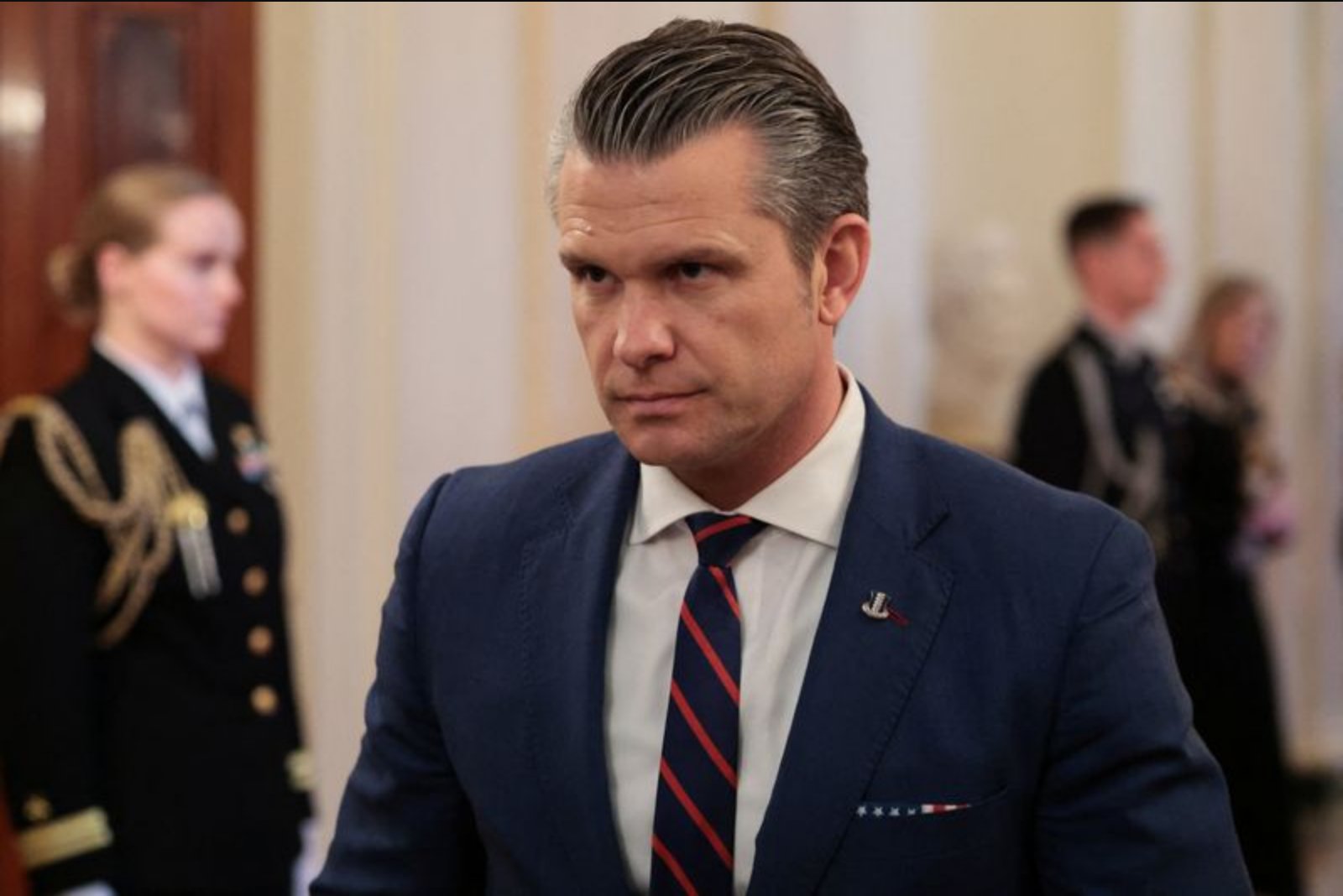
WASHINGTON, March 13 - Pentagon Secretary Pete Hegseth on Friday said he would welcome David Ellison stepping into control of CNN, while delivering a scathing critique of how U.S. news organizations have covered the conflict with Iran.
"The sooner David Ellison takes over that network, the better," Hegseth said, referring to Paramount’s proposed $110 billion deal to acquire Warner Bros, the parent of CNN. Hegseth, a former Fox News host and combat veteran, made the comment as the conflict entered its 14th day.
He singled out reporting on the disruption of shipping through the Strait of Hormuz - a key transit corridor for global oil supplies - which has contributed to sharp increases in oil prices and stirred volatility in equity markets. Reuters/Ipsos polling cited in Pentagon commentary has shown limited public backing for the war, with Americans concerned about potential rises in gasoline costs.
Hegseth has implemented tighter controls on press access, a policy that has led about 30 major news organizations, including Fox, the Washington Post and Reuters, to relinquish their Pentagon credentials. Defense officials have invited a set of newer, non-traditional outlets to briefings instead, and in the past two weeks Hegseth has allowed some mainstream outlets to participate in briefings while largely taking questions from alternative outlets.
On Thursday, CNN published a report claiming the Pentagon and the White House National Security Council significantly underestimated Iran’s willingness to close the strait, citing multiple sources familiar with the matter. A CNN spokesperson said, "We stand by our reporting." Representatives for Paramount declined to comment.
David Ellison, who is leading Paramount’s planned takeover of Warner Bros, is the son of billionaire Larry Ellison and has close ties with President Donald Trump’s administration. The article noted that Ellison took control of Paramount after acquiring broadcaster CBS News in 2025 as part of its merger with Skydance Media. The Paramount-Warner Bros deal requires approval from the Trump administration, and the U.S. Federal Communications Commission chair has signaled this month that the agency would not block the transaction.
Lawmakers from both major parties have raised concerns that the consolidation could reduce consumer choices and push up costs. Critics also worry about potential impacts on editorial independence and the health of a free press, concerns that exist despite First Amendment protections.
Hegseth devoted much of his opening statement on Friday to denouncing media accounts of the war. He criticized ABC News for reporting on an FBI bulletin that warned Tehran could retaliate for U.S. strikes by attempting surprise drone attacks in California. ABC News did not immediately respond to a request for comment.
Describing mainstream coverage, Hegseth said, "We’re used to bad reporting. We’re used to ill-informed reporting, and so it doesn’t change how we operate, but we engage with it to prove that it’s not true." He went on to label CNN’s coverage of the strait as "fake news," "patently ridiculous" and "a fundamentally unserious report."
The tensions between the Pentagon and established media outlets come as market participants and policymakers watch how media consolidation and war-related developments could affect information flows, consumer costs and market volatility tied to energy and broader equities.
Key elements of the situation include the Pentagon’s altered press access policy, ongoing scrutiny of a major media merger, and public debate over news organizations’ coverage of military operations and national security risks.