
Stock Markets February 23, 2026

Pentagon Flags Budget and Security Concerns Over House Consideration of Aviation Safety Bill

Defense officials warn the ROTOR Act could impose unresolved fiscal strains and operational security risks as lawmakers prepare to act

By Jordan Park
Pentagon Flags Budget and Security Concerns Over House Consideration of Aviation Safety Bill

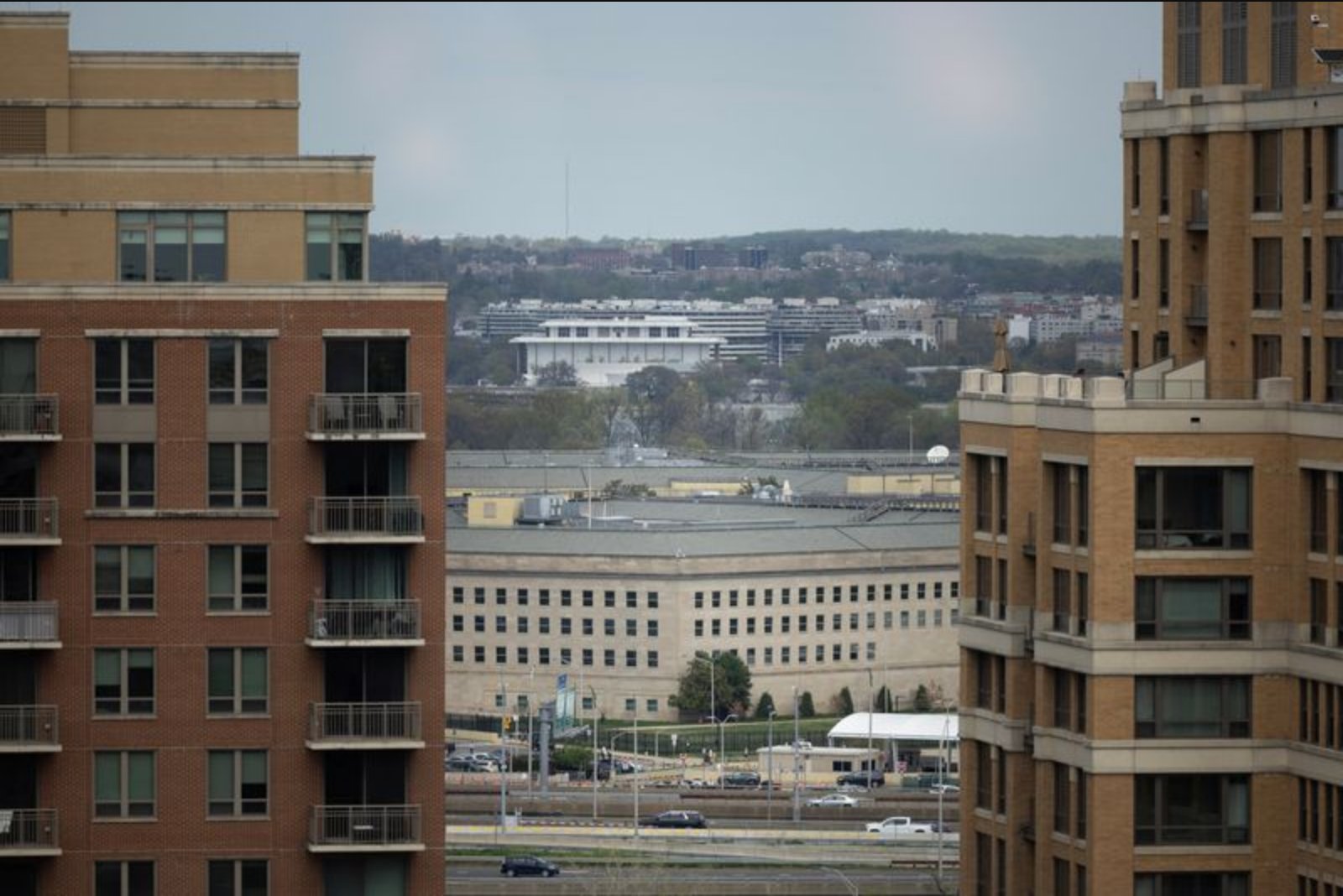
The Pentagon has expressed serious reservations about an aviation safety measure the U.S. House planned to consider on Feb. 23, saying the legislation could create substantial, unresolved budgetary burdens and operational security risks for national defense activities. The bill under consideration is the ROTOR Act, which the Senate unanimously approved in December and which would mandate installation of ADS-B safety systems across aircraft fleets by the end of 2031. The legislation is framed as a response to the January 2025 collision that killed 67 people.

Key Points

  • The Pentagon warned the House that the aviation safety bill could create "significant unresolved budgetary burdens and operational security risks" for national defense activities - sectors impacted include defense and aviation.
  • The measure being taken up is the ROTOR Act, which the Senate unanimously approved in December and would require aircraft operators to outfit fleets with ADS-B systems by the end of 2031 - this directly affects commercial and other aircraft operators in the aviation sector.
  • The legislation is framed as a response to the January 2025 collision between an American Airlines regional jet and an Army Black Hawk helicopter that resulted in 67 deaths - this safety motivation underpins the bill's mandate.

WASHINGTON, Feb 23 - The Pentagon has notified lawmakers that it views an aviation safety bill scheduled for House consideration later on Monday as posing material concerns for national defense. In formal communications, defense officials said the measure could produce "significant unresolved budgetary burdens and operational security risks affecting national defense activities."

The legislation in question is the ROTOR Act, which the U.S. Senate approved unanimously in December. Under the bill's provisions, aircraft operators would be required to equip their fleets with automatic-dependent-surveillance-broadcast systems, commonly referred to as ADS-B, by the end of 2031.

Supporters of the ROTOR Act have presented the mandate as a direct response to a deadly midair collision in January 2025 involving an American Airlines regional jet and an Army Black Hawk helicopter, an accident that resulted in 67 fatalities. The bill is intended to address safety gaps implicated in that incident by expanding ADS-B coverage across civil and certain other aircraft.

Defense officials, however, cautioned that the measure as written could create unresolved budgetary pressures and introduce operational security considerations for defense activities that rely on aviation operations. The Pentagon's assessment did not detail specific cost figures or operational scenarios in the notice cited, but framed the issues as significant and unresolved.

As the House prepared to take up the ROTOR Act, the contrast between the bill's safety objective and the Pentagon's cautions highlights a policy tension: a legislative effort to enhance aviation safety on the one hand, and concerns about fiscal and operational implications for defense programs on the other.


Key takeaways and considerations are summarized below, reflecting the elements noted by defense officials and the text of the legislation.

Risks

  • Budgetary burden risk: The Pentagon indicated the bill could create substantial unresolved fiscal obligations for defense-related aviation activities - this could affect defense budgeting and procurement planning.
  • Operational security risk: Defense officials said the measure could introduce operational security risks that affect national defense activities - this has implications for how defense aviation operations are conducted and protected.
  • Implementation timeline risk: The requirement to equip fleets with ADS-B by the end of 2031 may present challenges for aircraft operators and defense entities in meeting the mandate within the specified timeframe.

More from Stock Markets

Apotex Mulls Toronto IPO That Could Raise Up to C$1 Billion in First Half Feb 23, 2026 Paramount Skydance Raises Offer for Warner Bros. Discovery, Escalating Bid to Block Netflix Feb 23, 2026 Whirlpool Shares Slide After Announcement of $800 Million Equity Offering Feb 23, 2026 After-hours movers show mixed reactions as guidance, beats and misses drive flows Feb 23, 2026 Toronto benchmark edges down as tech, industrials and financials drag markets Feb 23, 2026