
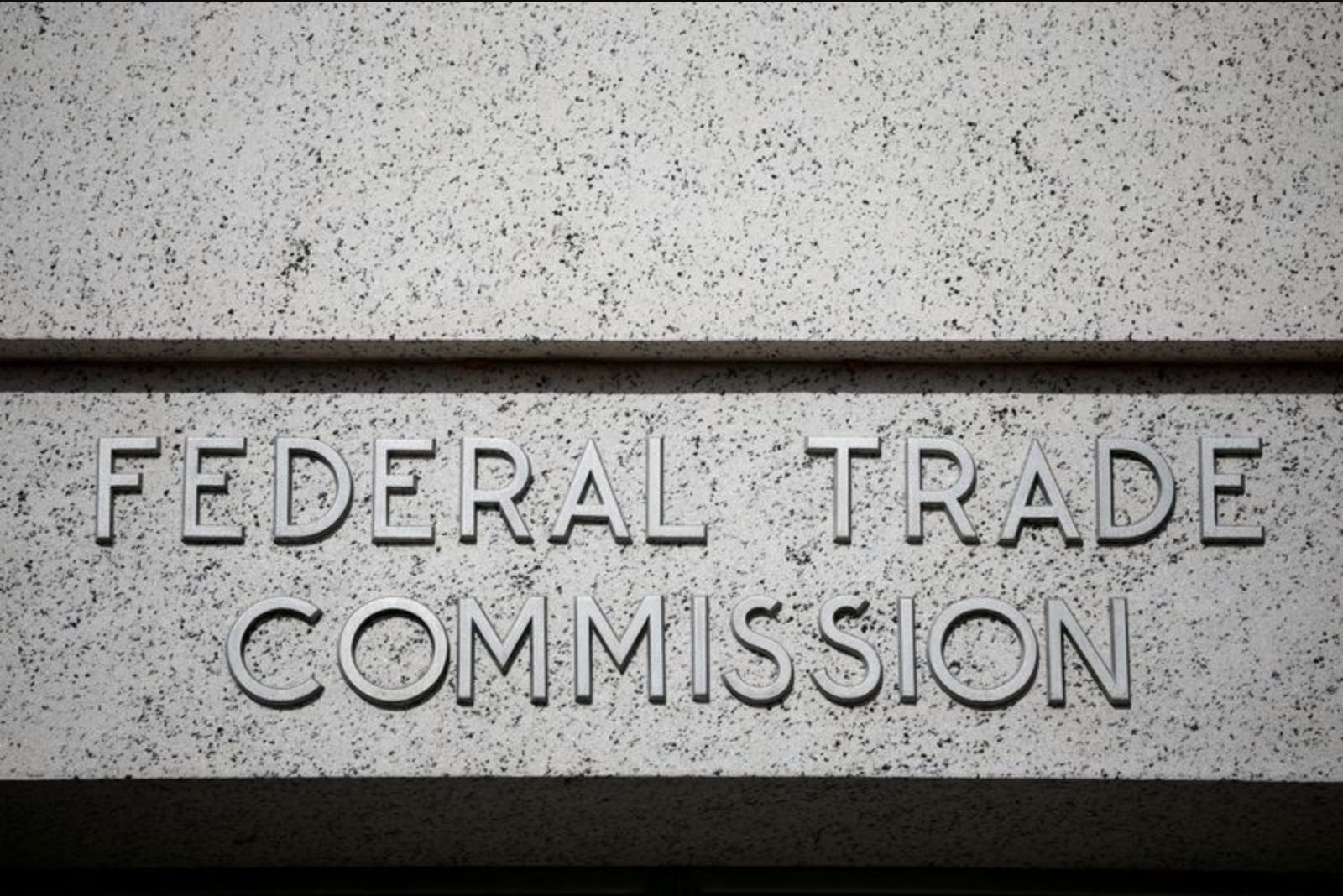
The American Academy of Pediatrics has taken legal action against the U.S. Federal Trade Commission, arguing that an expansive document demand issued by the agency is an unconstitutional attempt to punish the medical group for its support of gender-affirming care for transgender youth.
In a lawsuit filed in federal court in Washington, D.C., the AAP challenged a civil investigative demand that the FTC served on the association on January 15. The agency said it was probing whether the AAP made false claims or engaged in unfair practices in connection with the marketing and advertising of "pediatric gender dysphoria treatment," according to court filings cited in the complaint.
Gender dysphoria is the clinical diagnosis used when an individual experiences significant distress related to a mismatch between their gender identity and their sex assigned at birth. The AAP contends the FTC's demand is both overbroad and a means of intimidation that violates constitutional protections for free expression.
"Unable to prevail in the marketplace of ideas, the FTC has resorted to burdening AAP with an intrusive and expensive investigation that is unconstitutional and outside the scope of the FTC's statutory authority," the lawsuit quotes from the association's filings. The AAP is asking the court to issue an order blocking the document request on constitutional grounds.
The complaint frames the FTC action as retaliation tied to prior clashes between the organization and the federal government. The suit points to a 2018 AAP policy statement that endorsed appropriate medical interventions to support transgender youth as a central reason the group believes it has been targeted.
The timing of the FTC demand followed a set of executive orders signed in January 2025 that directed federal agencies to recognize only two sexes - male and female - and curtailed federal funding or support for gender-affirming care for minors. The lawsuit also notes the AAP's ongoing disputes with other federal health officials; three days before the FTC demand was served, a federal judge blocked the U.S. Department of Health and Human Services from terminating nearly $12 million in grant funding awarded to the AAP. That funding had been canceled after the group clashed with U.S. Health Secretary Robert F. Kennedy Jr. over his alterations to vaccine policy.
In addition to this suit against the FTC, the AAP is pursuing a separate legal challenge to actions by federal health regulators under Kennedy that the association says aim to reshape vaccine policy in ways that would reduce immunization rates and harm public health.
Founded in 1930 and headquartered in the Chicago area, the American Academy of Pediatrics represents roughly 67,000 pediatricians, pediatric medical subspecialists and pediatric surgical specialists. The AAP's lawsuit asks the court to enjoin the FTC from enforcing the civil investigative demand while the constitutional questions are resolved.
The FTC, a federal agency responsible for enforcing antitrust and consumer protection laws, did not immediately respond to requests for comment on the litigation at the time the complaint was filed.
Context and procedural posture
The litigation centers on the civil investigative demand process - a mechanism the FTC uses to gather documents and information while probing potential violations of its statutes. The AAP’s complaint characterizes the demand as sweeping and burdensome, arguing it reaches beyond the FTC’s statutory authority and infringes on the group's First Amendment rights by aiming to deter the AAP’s advocacy on medical treatment for transgender youth.
The association is also simultaneously litigating separate matters involving federal health policy changes under the current Health Secretary, arguing those changes could adversely affect vaccination efforts and public health outcomes.
The legal challenge is ongoing and seeks judicial relief to prevent enforcement of the FTC’s data request while constitutional and statutory claims are adjudicated.