
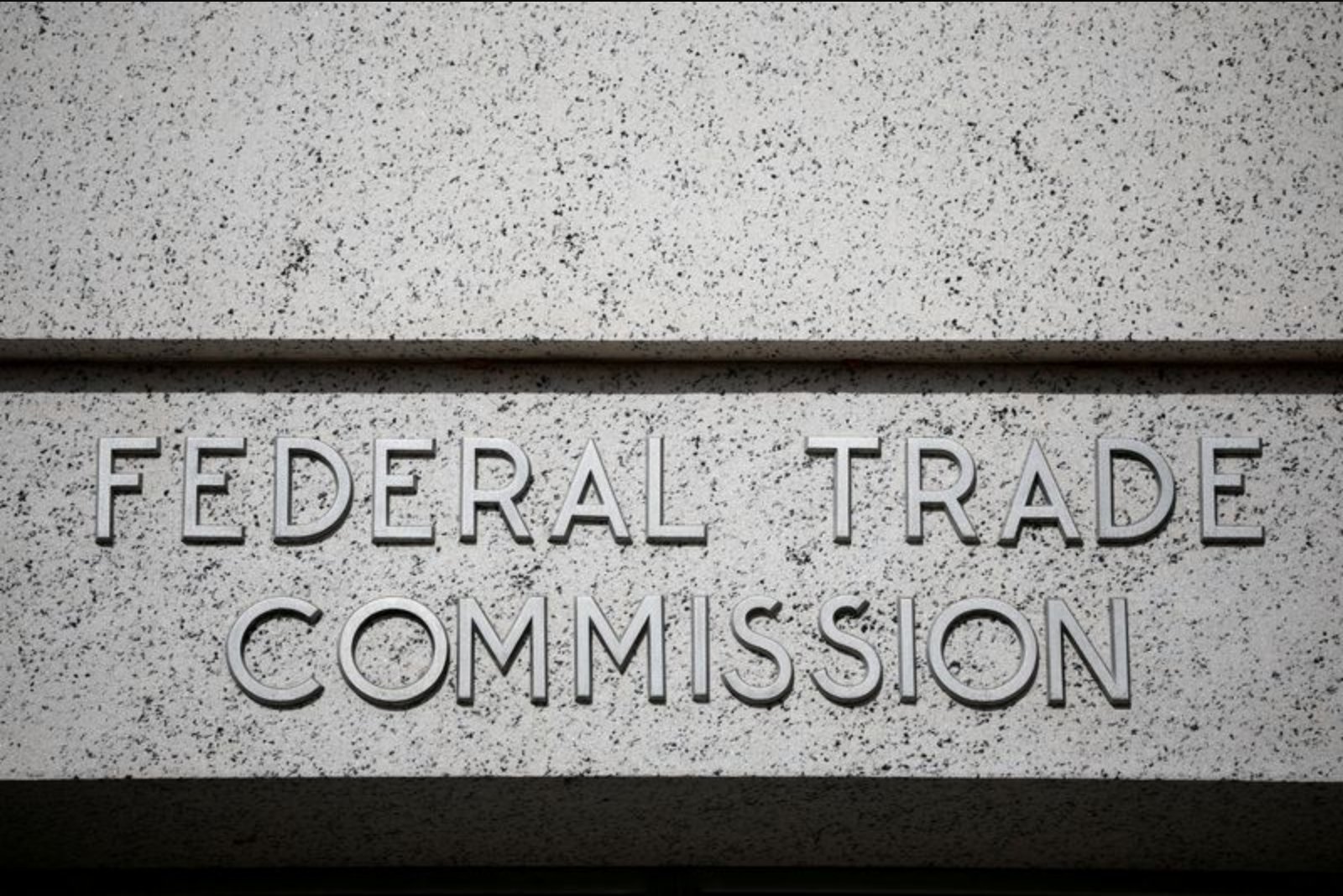
Two large medical organizations filed lawsuits in federal court in Washington, D.C. on Tuesday, accusing the U.S. Federal Trade Commission of initiating investigations that the groups say are aimed at punishing their support for gender-affirming care for transgender youth.
The American Academy of Pediatrics (AAP) and the Endocrine Society each brought separate suits challenging civil investigative demands issued by the FTC last month. The organizations contend the agency's demands require an overly broad array of materials and were issued to intimidate them after prior disagreements with the Trump administration, violating constitutional protections against government abridgment of speech.
In court filings, AAP framed the action as an attempt to burden the group with an intrusive and costly inquiry aimed at silencing its advocacy. In its complaint, AAP said: "Unable to prevail in the marketplace of ideas, the FTC has resorted to burdening AAP with an intrusive and expensive investigation that is unconstitutional and outside the scope of the FTC’s statutory authority." The lawsuit asks the court to bar enforcement of the document request on constitutional grounds.
The FTC did not immediately respond to requests for comment.
The agency issued a civil investigative demand to AAP on January 15 as part of a probe into whether the group made false claims or engaged in unfair practices regarding the marketing and advertising of what the FTC described in court papers as "pediatric gender dysphoria treatment." The Endocrine Society said it received a comparable civil investigative demand on January 20.
The filings refer to gender dysphoria as the clinical diagnosis for substantial distress that can arise when there is a mismatch between a person’s gender identity and the sex assigned at birth.
The lawsuits come against the backdrop of executive actions last year by President Donald Trump. In January 2025, the administration issued orders declaring the United States would recognize only two sexes - male and female - and directed agencies to end federal funding or support for gender-affirming care for minors. The medical groups say the FTC’s demands are tied to those broader policy moves.
AAP also noted that the civil investigative demand followed a separate dispute over federal grant funding. Three days before the FTC’s document request, a federal judge blocked the Department of Health and Human Services from terminating nearly $12 million in grant funding to AAP. That funding had been canceled after the organization clashed with Health Secretary Robert F. Kennedy Jr. over changes he proposed to vaccine policy.
Separately from the FTC litigation, AAP is pursuing a lawsuit challenging actions by federal health regulators under the health secretary that it says will reshape vaccine policy in ways likely to reduce immunization rates and harm public health.
Context of the legal actions
The two groups’ lawsuits focus on the same central claim: that the FTC has exceeded its authority by seeking broad categories of documents and communications in a manner intended to penalize their professional positions on care for transgender youth. The legal filings assert that the investigative demands function as a form of retaliation and an effort to chill the organizations’ protected speech.
What the FTC says it is examining
According to the court papers, the FTC’s civil investigative demands relate to marketing and advertising practices tied to "pediatric gender dysphoria treatment," and the agency is investigating whether false statements or unfair methods were used in that context.
Pending litigation and additional disputes
The AAP lawsuit seeks a judicial order preventing the FTC from enforcing the document request, while the Endocrine Society’s complaint raises similar objections to the scope and purpose of the probe. Both organizations are pursuing separate legal avenues related to federal health policy changes they say affect their work.