
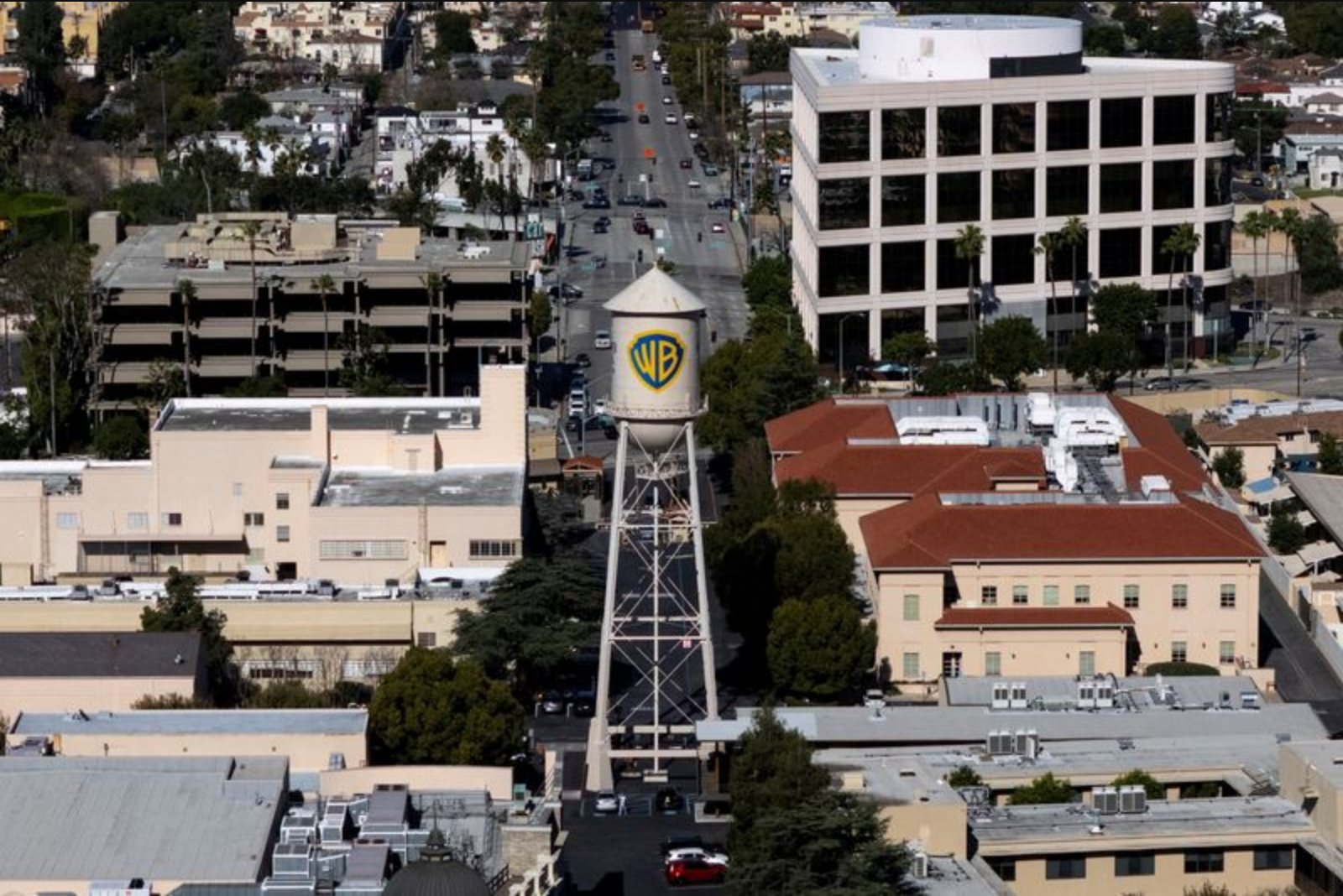
Paramount Skydance and Warner Bros Discovery have agreed to a transaction valuing the combined company at $110 billion, company executives disclosed during a global townhall on Friday morning.
During the meeting, Bruce Campbell, Warner Bros Discovery's chief revenue and strategy officer, said: "Netflix had the legal right to match the PSKY offer. As you all know, they ultimately decided not to do that. That then resulted in a signed agreement with PSKY as of this morning. So that’s where everything stands."
The deal carries an estimated $29 billion of debt that will be assumed as part of the transaction. If completed, the merger would rank among the largest consolidation moves in Hollywood in recent memory and would form one of the world's largest film studios by combining Paramount's and Warner's intellectual property portfolios.
Paramount would gain access to Warner's franchises, including titles such as "Fantastic Beasts" and "The Matrix," and the deal is positioned to strengthen Paramount's streaming footprint through a potential combination of HBO Max and Paramount+. That strategic angle is expected to give the combined streaming service greater scale and a broader library as it competes for viewers and subscribers.
The agreement brings closure to a bidding contest that saw Netflix decline to match Paramount Skydance's latest bid. Paramount's final offer of $31 per share was judged by Warner Bros' board to be superior to Netflix's $27.75-per-share proposal.
Paramount had pursued Warner Bros since late last year, mounting a persistent campaign to secure the studio by repeatedly lifting its bid. Leadership at Paramount Skydance, led by David Ellison, signaled an openness to increasing cash consideration in pursuit of the transaction and raised the termination fee tied to regulatory approval risks to $7 billion from a previous $5.8 billion figure.
Investor pressure played a role in prompting engagement with Paramount. Activist investor Ancora Holdings, which holds a small stake in Warner Bros Discovery, had increased pressure on the company to more fully evaluate Paramount's overtures.
Despite the signed agreement, the transaction is expected to face scrutiny from regulators in Washington, relevant foreign jurisdictions and from state authorities in the United States, including California. Lawmakers across the political spectrum have raised concerns that such consolidation among major studios could reduce consumer choice and increase prices. Cinema operators have also flagged worries that consolidation could lead to fewer theatrical releases and potential job impacts within the exhibition and production sectors.
The outcome of regulatory reviews and any state-level actions will determine whether the deal advances to closing. For now, the companies have a signed agreement and the transaction marks a significant realignment in the media and entertainment landscape.
Separately, materials circulated to investors and employees have referenced Warner Bros Discovery under the ticker WBD in market-focused earnings and investment tools. Some investor-focused analytics platforms have highlighted WBD as an example for AI-driven stock selection tools, noting that such platforms analyze a broad set of financial metrics to surface ideas; these references emphasize that the platform has previously identified other high-performing stocks but do not provide a recommendation specific to WBD within this announcement.