
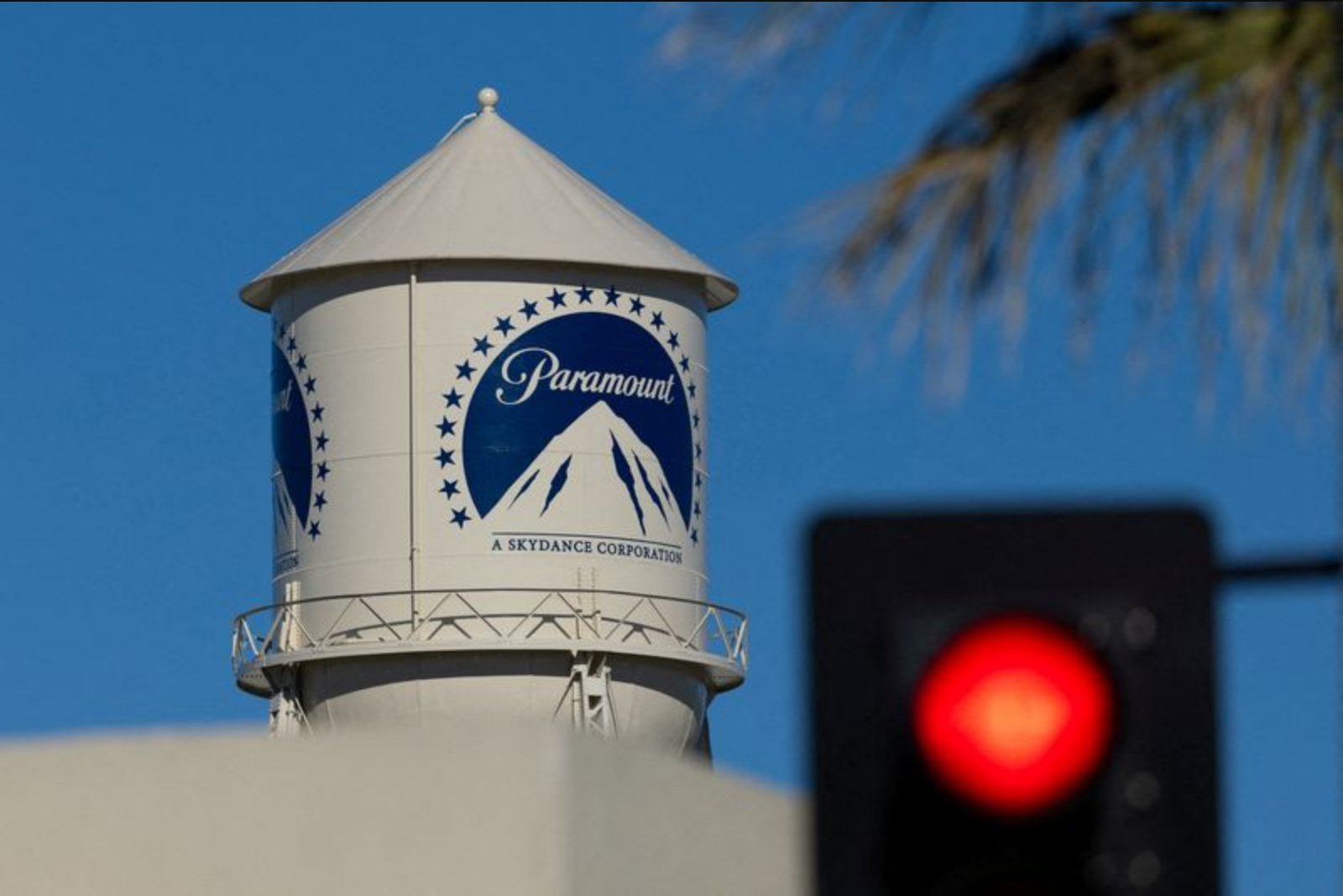
Paramount Skydance CEO David Ellison said on Monday that the company’s bid to acquire Warner Bros will leave the combined enterprise carrying about $79 billion in net debt, and that there are no current plans to sell or spin off cable networks. Ellison made the remarks after Paramount finalized its $100 billion, or $31-per-share, bid for Warner Bros by signing an agreement early on Friday, following Netflix’s decision not to raise its prior offer.
The proposed merger would combine two large studio libraries, creating what Paramount described as one of the industry’s most commercially proven repositories of intellectual property. The combined catalog would unite franchises including "Game of Thrones", "Mission Impossible", "Harry Potter", "Top Gun", the DC Universe and "SpongeBob SquarePants".
Paramount executives and proponents stress that the transaction would also strengthen Paramount’s streaming position by providing the scale and capital resources needed to compete more effectively in a market dominated by Netflix. "Unlike Netflix, Paramount’s business could use a shot in the arm and an immediate boost to achieve the greater scale it needs," said Matthew Dolgin, a senior analyst at Morningstar.
The takeover fight for Warner Bros’ studio and streaming assets unfolded over several months, with Paramount and Netflix exchanging competing bids. Netflix initially struck a deal in early December to acquire the assets excluding cable networks for $27.75 per share, equivalent to $82.7 billion. Paramount then launched a hostile offer for the entire company and ultimately raised its proposal to $31 per share, sweetening regulatory fee assumptions and offering to cover Warner’s breakup fee owed to Netflix.
After Warner’s board judged the Paramount proposal to be superior, Netflix chose not to match the higher offer, withdrawing from the contest for assets that include DC Comics, HBO and HBO Max. Paramount paid the $2.8 billion termination fee that Warner owed to Netflix on Friday as part of finalizing its agreement.
The merger would also alter the ownership outcome for Warner shareholders relative to the Netflix proposal. Under Netflix’s offer, Warner shareholders would have retained a spinoff of the cable networks, creating uncertainty around the value and risk profile of that stand-alone entity. The Paramount deal removes that variable by keeping the cable networks within the combined company at this time.
Management projects the combined studio to produce at least 30 theatrical films annually while preserving both the Warner Bros and Paramount studio operations. Paramount says its offer is fully financed, including $47 billion in equity commitments from the Ellison Family and RedBird Capital Partners, supplemented by $54 billion of debt commitments provided by Bank of America, Citigroup and Apollo.
The parties expect the transaction to close in the third quarter of this year, subject to regulatory and other customary approvals.
Regulatory and public scrutiny
Although some reports indicate the deal is likely to obtain European Union antitrust approval with only minor divestments required if any, the transaction has nonetheless attracted scrutiny domestically. California State Attorney General Rob Bonta has said the state is investigating the deal and will carry out a vigorous review. In addition, cinema operators and lawmakers have raised concerns about potential reductions in theatrical releases and consumer choice.
Cinema operators warned that combining two major Hollywood studios could lead to job reductions and a narrower slate of films in theaters. Lawmakers have similarly cautioned that a takeover of Warner Discovery could reduce consumer choice and potentially lead to higher prices for consumers. "The costs are evident: job cuts and a narrower slate may boost margins in the short term, but can harm morale, slow decision-making, and limit creativity, damaging market competitiveness," said Paolo Pescatore, an analyst at PP Foresight.
Financing and deal protections
Paramount has said its financing package is in place. The structure includes $47 billion in equity from the Ellison Family and RedBird Capital Partners and $54 billion in committed debt from Bank of America, Citigroup and Apollo. The company also increased the regulatory termination fee that would be payable if the deal fails to secure antitrust clearance, raising it to $7 billion from a previously stated $5.8 billion.
Paramount’s approach to financing and its decision to retain cable networks for now remove the specific uncertainty that accompanied the Netflix proposal, but they do not eliminate broader questions about post-merger integration, regulatory scrutiny and the potential impact on employees and content distribution.
Outlook
The transaction aims to create a content and distribution platform with expanded scale and a deep library of franchises, while shoring up Paramount’s streaming capabilities. At the same time, stakeholders from regulators to theater owners have flagged potential downsides, including job impacts and a narrower theatrical output. The companies are targeting a third-quarter close as they navigate regulatory reviews and stakeholder concerns.