
Stock Markets February 23, 2026

Panama Publishes Court Ruling That Voids CK Hutchison Port Concessions; Maersk to Assume Temporary Control

Official gazette finalizes annulment for Balboa and Cristobal terminals as AMP takes possession and APM Terminals prepares interim management

By Nina Shah
Panama Publishes Court Ruling That Voids CK Hutchison Port Concessions; Maersk to Assume Temporary Control

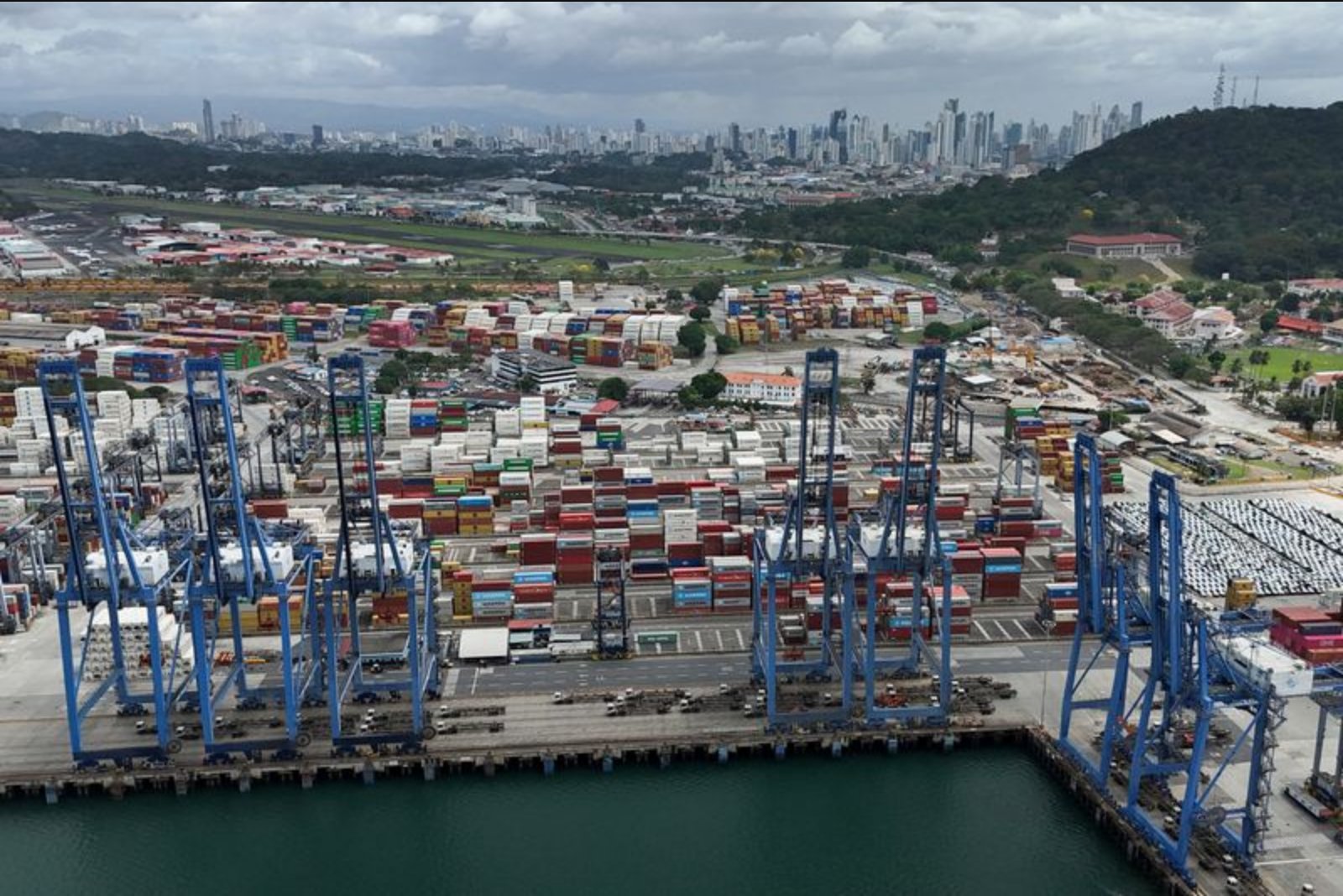
Panama has published a Supreme Court ruling in the official gazette that cancels the concessions for the Balboa and Cristobal terminals previously operated by Panama Ports Company, a CK Hutchison subsidiary. The Panama Maritime Authority (AMP) has assumed control by decree to maintain operations while APM Terminals, a Maersk unit, is positioned to manage the ports on a temporary basis as the state develops a new long-term concession framework.

Key Points

  • The official gazette publication finalizes a Supreme Court ruling that nullifies the concessions for the Balboa and Cristobal terminals previously run by Panama Ports Company, a CK Hutchison subsidiary - sectors affected: ports, logistics, shipping.
  • The Panama Maritime Authority (AMP) has taken possession of both terminals by decree to safeguard continuity of operations, and will present two separate interim contracts to its board - sectors affected: port operations, maritime services.
  • Maersk's APM Terminals is expected to assume temporary management of the two ports while the Panamanian state develops a new long-term concession framework - sectors affected: shipping lines, terminal operators, global trade.

Panama formally announced in its official gazette a Supreme Court decision that annuls the concession contracts for two major terminals serving the Panama Canal corridor. The publication completes the legal process that strips Panama Ports Company (PPC), a subsidiary of Hong Kong-based CK Hutchison, of the Balboa and Cristobal terminal concessions it had operated for over 20 years.

Following the gazette publication, the Panama Maritime Authority (AMP) issued a decree taking possession of both ports to ensure uninterrupted port operations. Alberto Aleman Zubieta, who heads the technical team overseeing the handover, said the seizure of operational control was intended to keep services running smoothly while administrative arrangements are implemented.

Aleman Zubieta told a press conference that the AMP will present two distinct contracts to its Board of Directors - one covering the Port of Balboa and a separate contract for the Port of Cristobal - rather than a single combined agreement for both terminals. That procedural separation is part of the immediate transition plan now that the court ruling is final upon publication.

Maersk's APM Terminals did not offer an immediate comment on the publication. Early in February, Panamanian President Jose Raul Mulino indicated the government would move to formalize an agreement with APM Terminals Panama, the local arm of the Danish shipping group, to manage and control the terminals once the court decision became legally binding. Mulino said the interim management by APM Terminals would continue while the state develops a new long-term concession framework to be awarded at a later date.

Political analyst Jose Stoute commented on the legal effect of the gazette publication, noting that "The moment the official gazette publishes the court's ruling Panama Ports loses control of the ports." The statement underscores the administrative finality that publication confers under Panamanian procedure.

The court ruling was issued in late January and has taken on added attention because it occurs against the backdrop of intensifying U.S.-China competition over strategic global trade routes. The development has been portrayed in some quarters as a geopolitical gain for Washington, given ongoing efforts by U.S. officials to limit Chinese influence in and around the Panama Canal, which handles roughly 5% of global maritime trade.

With the AMP in temporary possession and APM Terminals poised to step in for operational management, Panama is now working toward a new concession process for long-term control of the Balboa and Cristobal terminals. The immediate focus for authorities remains uninterrupted port operations and the administrative steps required to finalize interim contracts for each terminal.

Risks

  • Operational risk during the transition - ensuring uninterrupted cargo handling and port services while contracts are reissued and interim management arrangements are implemented (impacts ports, shipping, logistics).
  • Legal and contractual uncertainty - the development of a new long-term concession framework creates an open-ended timeline for future operators, which may affect investment decisions by terminal operators and shipping companies (impacts terminal operators, investors, and maritime service providers).
  • Geopolitical tension - the ruling and subsequent shift in control have been framed within U.S.-China rivalry over trade routes, introducing a geopolitical dimension that could influence strategic decisions by global shipping stakeholders (impacts shipping, international trade policy, and logistics networks).

More from Stock Markets

Whirlpool Shares Slide After Announcement of $800 Million Equity Offering Feb 23, 2026 After-hours movers show mixed reactions as guidance, beats and misses drive flows Feb 23, 2026 Toronto benchmark edges down as tech, industrials and financials drag markets Feb 23, 2026 Mexican Stocks Retreat; S&P/BMV IPC Drops 1.21% as Industrials and Consumer Names Lead Declines Feb 23, 2026 U.S. equities finish lower as Financials, Consumer Services and Industrials lead declines Feb 23, 2026