
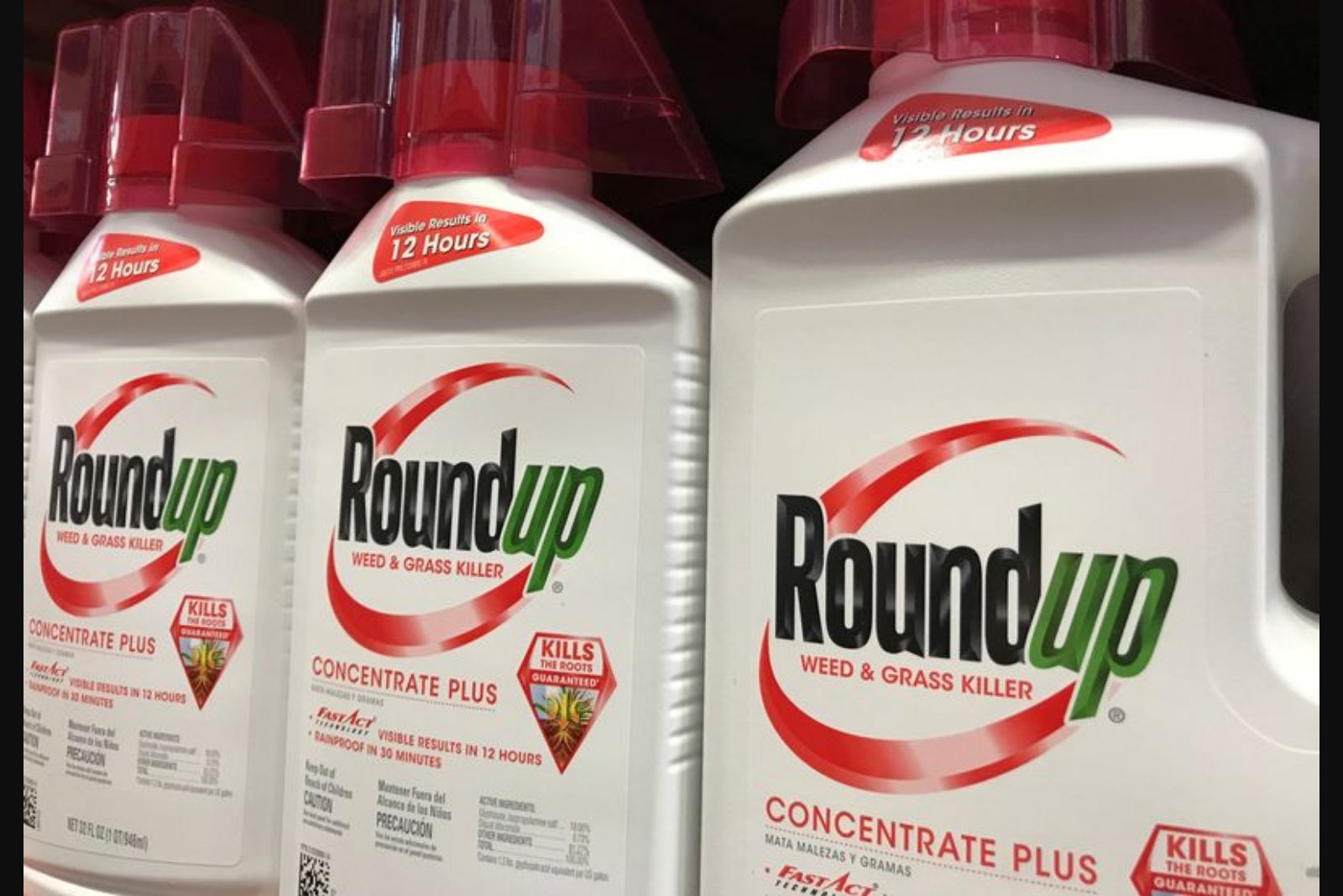
A proposed $7.25 billion class action settlement meant to resolve thousands of present and future claims that Roundup exposure causes cancer includes several provisions that put financial pressure on plaintiffs and their counsel who might consider rejecting the deal.
On Wednesday, a state court in Missouri granted preliminary approval to the agreement. The settlement is designed to bring together a large group of claimants, but also contains clauses intended to discourage opt-outs. One provision bars plaintiffs' lawyers from receiving legal fees if they represent more than 25 clients who formally decline the settlement, and another allows the defendant to reduce the overall payout if a sufficient number of class members choose to opt out.
Roundup is made by Monsanto, a unit of Bayer. The public version of the agreement does not define what number of opt-outs would qualify as "excessive," and Bayer declined to specify a threshold. The company also retains the right to terminate the entire settlement if an excessive number of plaintiffs opt out, reflecting a contractual escape clause tied to the volume of rejections.
Those who wish to reject the settlement must submit opt-out paperwork by June 4. The process requires compliance with 11 separate elements, including wet-ink signatures, government photo identification and sworn declarations. One plaintiffs' lawyer who was not involved in negotiating the deal characterized the steps as a "confusing maze," saying that the procedural burden appears designed to ensnare cancer patients considering opting out.
Putting pressure on individual plaintiffs' lawyers is one lever the settlement uses to preserve the class structure. "The whole concept of class action (legal) fees is you’re providing a common benefit to everyone," noted one of the plaintiffs' lawyers who helped negotiate the settlement. He argued that when class members opt out they expose the deal to risk, and that effect should be taken into account when allocating fees, characterizing the harm to the class as "a common detriment."
Under the settlement's terms, if more than two dozen of a lawyer's pre-existing clients opt out while the lawyer continues to represent them, that lawyer becomes ineligible for any share of legal fees, even if the lawyer has many other clients who remain in the class. The agreement does not set a fixed total for plaintiffs' counsel fees. Instead, the negotiators will submit a fee application to Judge Timothy Boyer in St. Louis prior to the fairness hearing set for July 9.
Another mechanism in the agreement could reduce the total amount Bayer must pay. If more than 650 class members opt out, Bayer may deduct from the settlement sum what it would have paid those individuals, up to a ceiling of $400 million. Beyond that point, the company also retains the option to withdraw from the settlement entirely if the number of opt-outs is deemed excessive under the unspecified standard in the contract.
Bayer has said it is entering the settlement purely to contain litigation, and the company has not admitted liability or wrongdoing. The company maintains that decades of studies have shown Roundup and its active ingredient glyphosate are safe for human use. Courts have produced mixed results in recent years: Bayer has scored trial victories, but plaintiffs have also won large judgments including a $2.1 billion award by a Georgia jury in 2025 and a $332 million verdict in California in 2023.
The settlement evaluates payouts based on several factors tied to plaintiffs' circumstances. According to plaintiffs' lawyers involved in the negotiation, a younger person with aggressive non-Hodgkin lymphoma who used Roundup as part of their occupation would receive an average award of about $165,000 under the plan, while someone first diagnosed at age 78 or older would receive about $10,000 on average.
Negotiators included a requirement that plaintiffs' lawyers attest they made their "best efforts" to recommend the settlement to their clients, while also stating the lawyers must exercise their "independent judgment" when advising individuals. The drafters acknowledged that some clients of plaintiffs' counsel might still choose to pursue individual litigation in search of a higher award or to have their day in court.
An additional backdrop to the settlement is an impending U.S. Supreme Court review that could significantly affect the litigation. In April, the high court is scheduled to hear Bayer's appeal arguing that federal law preempts state law failure-to-warn claims relating to the Roundup label. That pending decision is one factor pushing toward resolution for some plaintiffs who prefer the certainty of settlement payments over continued litigation risk.
Approximately 65,000 claims in U.S. state and federal courts allege Roundup exposure caused non-Hodgkin lymphoma. In announcing the settlement in a Feb. 17 news release, Bayer said it reached the agreement solely to contain the litigation. The public release did not alter the company's stance denying liability.
Plaintiffs' lawyer Christopher Seeger, who took part in negotiating the deal, expressed optimism that most plaintiffs will choose the certainty of the settlement over the risk of opting out. He predicted an "overwhelming" number of claimants will accept the agreement, despite acknowledging that some individual clients may insist on pursuing separate claims.
Legal counsel and class members now await the fairness hearing before Judge Boyer on July 9, where lawyers will present fee applications and the court will consider whether to grant final approval to the settlement. Meanwhile, the opt-out deadline of June 4 remains the cut-off for class members who prefer to pursue individual litigation rather than accept the class terms.
Key points
- The settlement contains provisions that deny legal fees to lawyers representing more than 25 clients who opt out, a tactic meant to discourage mass opt-outs - impacting legal services and mass tort litigation management.
- Bayer can reduce the settlement fund by up to $400 million if more than 650 class members opt out, and may terminate the agreement entirely if opt-outs are "excessive" - affecting corporate liability exposure and settlement accounting.
- The agreement was preliminarily approved by a Missouri state court; class members have until June 4 to opt out, and a fairness hearing before Judge Timothy Boyer is scheduled for July 9 - relevant to plaintiffs, defense counsel and investors tracking litigation risk.
Risks and uncertainties
- Unclear threshold for what constitutes an "excessive" number of opt-outs leaves uncertainty over whether Bayer might terminate the settlement - this uncertainty affects corporate legal risk and potential future payouts.
- The opt-out process involves 11 specific requirements, which plaintiffs' counsel say could be difficult for some claimants to complete, potentially impacting plaintiff participation rates and the administration of the settlement.
- Pending U.S. Supreme Court review of Bayer's preemption argument could sharply change the litigation landscape, creating uncertainty for both plaintiffs and the company about the advisability of remaining in the class or pursuing individual suits.