
Overview
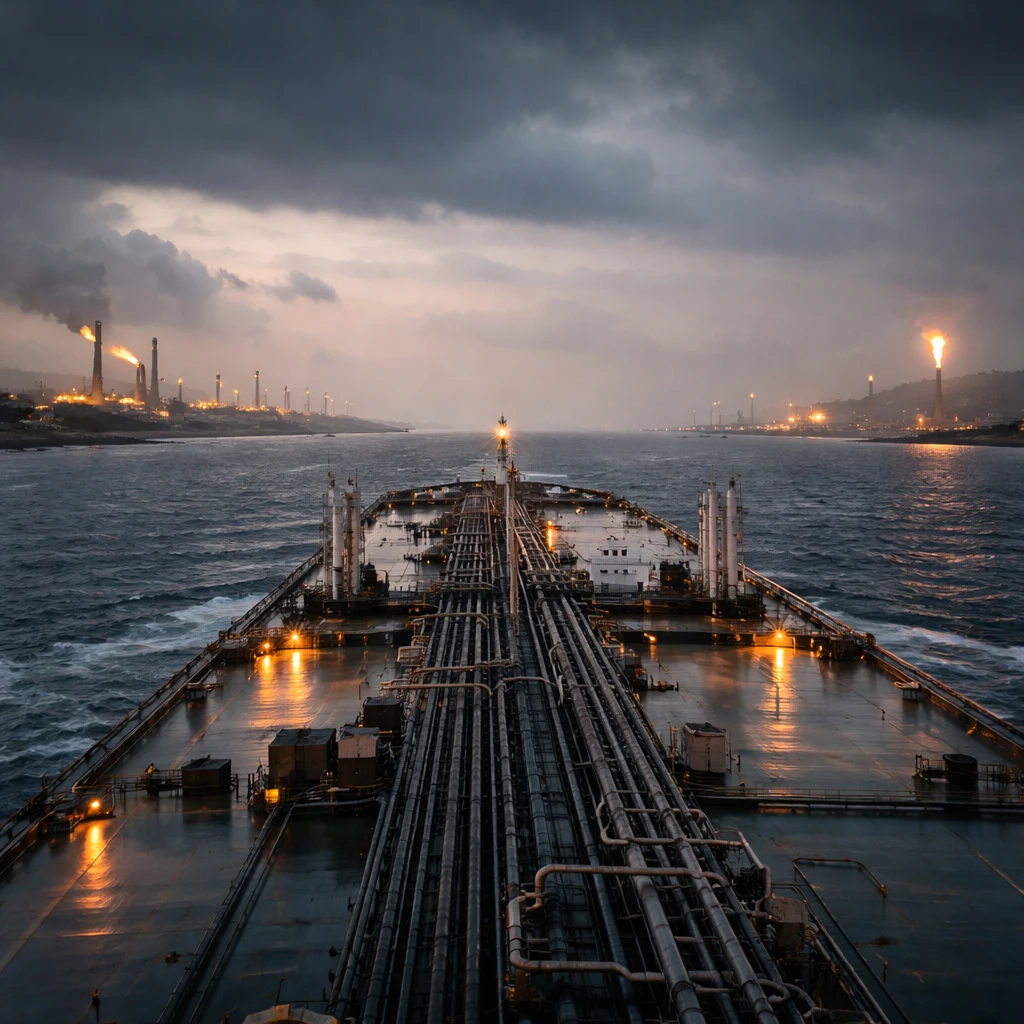
Oil markets continued to trade at elevated levels on Friday as concerns about disrupted supply from the Middle East remained prominent. Brent crude futures were last reported trading near $108 a barrel after rallying to about $119 per barrel earlier in the week when Israeli strikes on an Iranian gas field were followed by Iranian retaliatory attacks on natural gas sites across the region.
Price action and immediate drivers
Prices have been sensitive to the crossfire between Israel and Iran, with the exchange of strikes focused on major energy infrastructure. Market participants fear that even if efforts succeed in reopening critical shipping lanes - notably the Strait of Hormuz south of Iran - the broader damage inflicted on production and export facilities could mean supply disruptions persist for months or years.
The targeting of energy sites has altered assessments of near-term supply availability and has increased the perception of a sustained shock to markets beyond any temporary shipping disruptions.
Damage to production and export capacity
Qatar disclosed that strikes hit its major natural gas production hub at Ras Laffan, cutting export capacity by 17% and leaving it with repairs that could take as many as five years. Qatar is a major exporter of natural gas, particularly to Europe, and the damage has contributed to a surge in the regional natural gas benchmark and renewed concern about upward pressure on inflation in energy-importing regions.
Regional military activity and continued reprisals
Reports indicated that Iran continued to launch retaliatory strikes and that countries in the Middle East aligned with the United States were experiencing incoming drones and missiles. In the course of the exchanges, Israel reportedly struck targets in Tehran after missile alerts sounded in Jerusalem and in northern Israel.
In a public statement described in reporting, Iranian Supreme Leader Mojtaba Khamenei said, "safety must be taken away from our domestic and foreign enemies and given to our people." That statement was framed as defiant, and it came amid reporting that Israel has been targeting members of Iran's ruling regime in actions intended to destabilize the leadership.
Efforts to secure shipping lanes
Washington and allied partners have been intensifying efforts to reopen and secure the Strait of Hormuz. U.S. military officials have discussed measures that could include U.S. warships escorting commercial vessels into and out of the Persian Gulf if the threat to ships can be lessened. Analysts cited in reporting stressed that the crux of the situation remains the reopening of Hormuz, and warned there is no clear solution for fully reopening the waterway absent either a dramatic military escalation or a diplomatic settlement.
Those analysts also highlighted warnings from Saudi Arabia that oil could climb above $180 a barrel if the conflict does not end by April, underscoring that market participants are pricing in a wide range of possible outcomes.
Policy responses and market stabilisation attempts
The White House and other U.S. officials have been working to calm markets amid the prolonged shock to oil prices. U.S. Treasury Secretary Scott Bessent suggested options that could include further releases from emergency oil reserves and even suspending sanctions on some Iranian crude exports to help ease supply constraints. Such measures are being discussed as possible tools to increase available supply and alleviate upward pressure on energy prices.
Political and military posture
U.S. and Israeli leaders have been coordinating responses. Israeli Prime Minister Benjamin Netanyahu confirmed that U.S. President Donald Trump had asked Israel to hold off on future attacks on Iranian energy infrastructure. President Trump said he would do whatever was necessary to help cool the crisis and attempted to reassure the public that "it will be over with soon." He also stated he had no plans to send ground troops, while adding when asked about the possible deployment of land combat units, "If I did, I wouldn't tell you."
Separately, the Pentagon said it had requested $200 billion in funding for the war from the White House, reflecting the significant fiscal outlays associated with ongoing military operations and the broader campaign.
Market implications and outlook
Market participants remain focused on the twin uncertainties of maritime security around the Strait of Hormuz and the physical condition of energy production and export facilities across the region. Even if shipping lanes can be secured, the loss of capacity at major facilities could leave a structural shortfall in supplies that supports elevated prices over a longer horizon. The prospect of sustained higher energy prices has direct implications for inflation, particularly in regions reliant on imported gas.
This is a developing story. Please check back later for updates.