
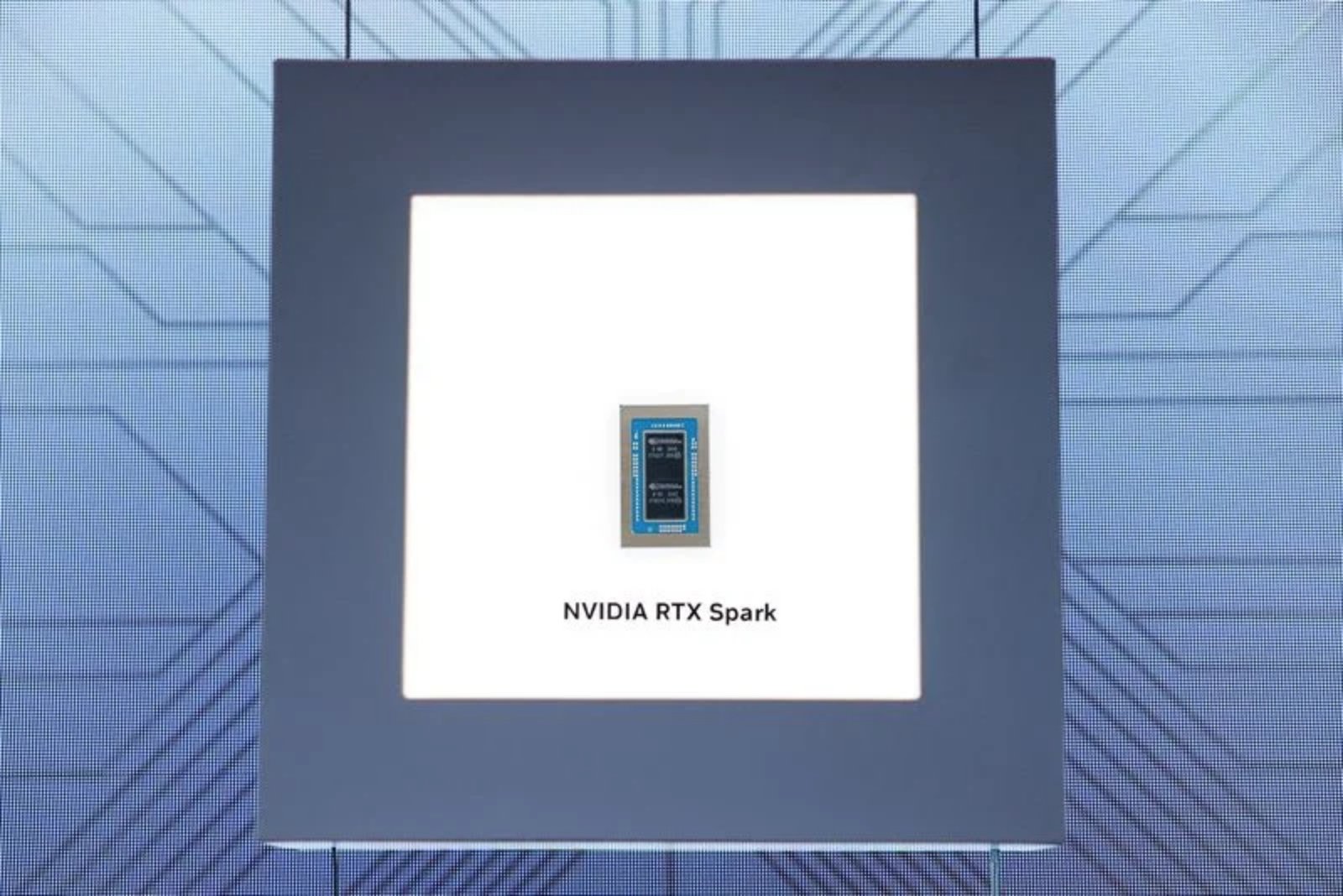
Nvidia last week introduced the RTX Spark superchip and used the Computex stage in Taiwan to outline a vision for laptops that host large AI models directly on-device, enabling AI agents to perform tasks from debugging code to generating video without sending data to the cloud. The company said the new chip bundles a central processor, graphics engine and up to 128 gigabytes of unified memory, a configuration Nvidia argues can support large-model inferencing locally - a capability that current AI PCs lack at scale.
Rather than replacing the standard consumer PC, analysts characterize RTX Spark as the creation of a new product tier situated between traditional workstations and AI servers. Its target user base appears to be developers and creative professionals more than mainstream office or casual laptop buyers. Nvidia said six manufacturers - Microsoft, Asus, HP, Lenovo, Dell and MSI - will build systems around the chip, and those vendor announcements helped lift related stocks after the June 1 disclosure.
Industry observers note that previous efforts to sell AI-enhanced PCs have focused on modest feature upgrades such as automated transcription or image tweaks, and those features have not generated significant sustained sales momentum for OEMs or their chip partners. The current AI PC wave has been marked by skepticism from both Wall Street and consumers, who have often found premium pricing outweighs incremental functionality.
Cost considerations and supply constraints are prominent concerns for RTX Spark. Analysts point to a high premium for devices equipped with the superchip and warn that a memory chip shortage that has already pushed up component prices could further limit how many systems reach the mass market. The expectation is that while leading computer makers will experiment with Nvidia’s design, mainstream PC demand in the near term will continue to favor machines powered by Intel, AMD and Qualcomm.
Market moves around the Nvidia announcement were notable. Shares of companies tied to the initiative rose following Nvidia’s presentation. Separately, HP and Dell had already experienced large year-to-date gains before the superchip news, with HP up in the low double-digits and Dell markedly higher, gains that analysts attribute more to corporate Windows 11 upgrades and surging demand for AI infrastructure rather than to AI PCs alone. Still, HP cautioned in its most recent quarter that it expects a sharp decline in PC demand in the latter half of the year even as it reported strong enterprise demand for AI-capable systems.
Overall industry forecasts are not encouraging for broad-based PC growth. One market estimate cited in coverage projects global PC shipments to fall substantially in 2026, underscoring a challenging backdrop for any premium-priced device category aiming to expand beyond niche buyers.
The RTX Spark systems could narrow the technical gap between Windows laptops and Apple’s Mac lineup on a key metric: memory bandwidth. Nvidia says its unified memory approach will allow Windows machines to better handle the data movement patterns that AI software requires, a constraint that has been a bottleneck for local model inferencing. Apple has used unified memory in its in-house chips since 2020, and the new Nvidia systems may bring Windows machines closer to that architecture from a memory perspective. Nvidia did not publish battery life or other operational metrics at launch and said it will release those details closer to product introductions scheduled for the fall.
Analysts expect some OEMs and enterprises to trial the long-term viability of running inference on-device, particularly among professionals who value low-latency local processing and the ability to handle larger models without continuous cloud connectivity. Yet the balance of factors - device cost, constrained memory supply and unclear mass-market utility - suggests the initial cohort of RTX Spark buyers will be specialized users rather than the broad consumer base.
Sectors and market impact
- PC hardware and OEMs - potential new premium segment but constrained by overall PC demand.
- Semiconductor memory suppliers - impacted by demand for high-capacity unified memory modules.
- AI infrastructure vendors - ongoing demand for cloud and datacenter capacity may continue to drive investment away from broad on-device adoption.
Conclusion
Nvidia’s RTX Spark positions the company to lead a technical push for on-device large-model AI, targeting developers and creators who require high memory bandwidth and local inferencing. The initiative has prompted vendor partnerships and near-term stock market reactions, but significant barriers - notably pricing and memory supply - leave the broader commercial case unproven. Industry participants and buyers will likely evaluate the new class of laptops in targeted workflows, while the majority of PC purchases in the coming years may remain with mainstream vendors and conventional chipsets.