
Stock Markets March 17, 2026

Nvidia resumes production of China-compliant H200 AI chip, CEO says

Company restarts manufacturing after receiving U.S. export licenses; China sales excluded from Blackwell-Rubin revenue projection

By Ajmal Hussain NVDA
Nvidia resumes production of China-compliant H200 AI chip, CEO says
NVDA

Nvidia has restarted production of its H200 chip variant that meets U.S. export rules for China after pausing manufacturing last year amid regulatory challenges. CEO Jensen Huang said export licenses were granted, orders have been taken, and manufacturing began to ramp up several weeks ago. Sales to China for this variant are not included in the company's $1 trillion revenue projection tied to its Blackwell and Rubin AI chips by the end of 2027.

Key Points

  • Nvidia has restarted production of the H200 chip variant for China after securing U.S. export licenses and taking orders; manufacturing began ramping up several weeks ago.
  • The H200 is based on the older Hopper architecture and was previously halted due to escalating regulatory hurdles in the U.S. and China.
  • Nvidia's forecast of more than $1 trillion in revenue from Blackwell and Rubin chips by end of 2027 excludes China-targeted H200 sales as well as other product lines such as CPUs, networking chips, Groq-based chips and the Rubin Ultra variant.

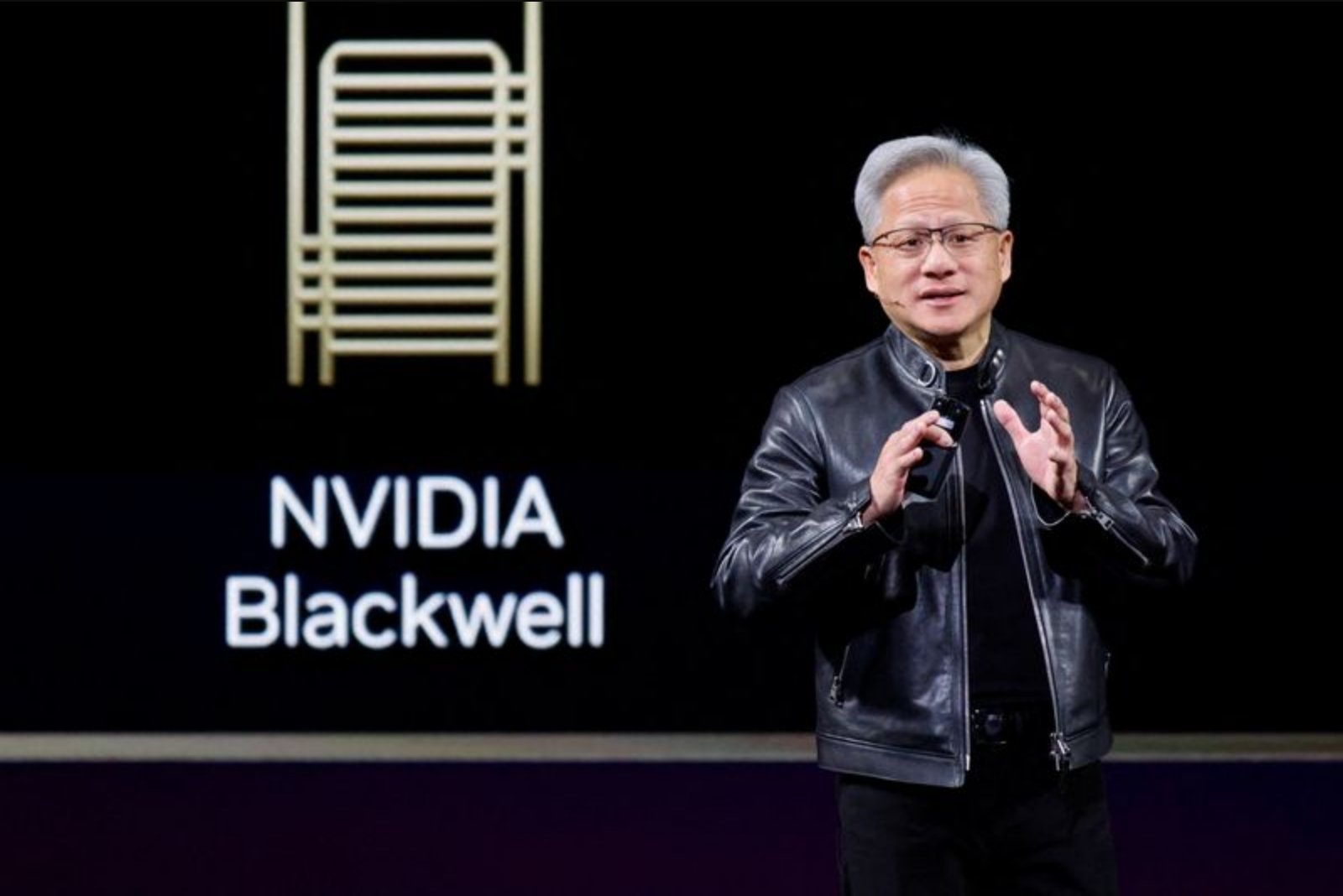
Nvidia has resumed manufacturing of its H200 chip variant designed to comply with U.S. export restrictions for China, CEO Jensen Huang said at a press conference. The company had stopped production of the H200 last year as regulatory obstacles in the U.S. and China increased, according to prior reporting at the time.

Huang said Nvidia has since secured U.S. government licenses to export the H200 and has taken orders for the device. Those developments prompted the company to begin reactivating production lines several weeks ago.

"Our supply chain is getting fired up," Huang said.

The H200 is derived from Nvidia's older Hopper architecture. Nvidia's broader financial projection for more than $1 trillion in revenue from its flagship Blackwell and Rubin AI chips by the end of 2027 does not incorporate sales of the China-targeted H200 variant, Huang said.

Blackwell and Rubin are described by the company as its primary AI processors, capable of training and running the large language models that power conversational systems such as ChatGPT. According to the company, Blackwell chips are available for purchase, while Rubin processors are in full production as next-generation units.

Huang's $1 trillion revenue estimate for Blackwell and Rubin explicitly omits a range of additional Nvidia products. The figure does not include the company's central processing units, its portfolio of networking chips, or future chips that will be based on technology Nvidia licensed from Groq. The projection also excludes a Rubin variant called Rubin Ultra.

In December, Nvidia reached an agreement to license technology from Groq and hired numerous executives from the startup. The details on how those licensed technologies and personnel will feed into future product revenue were not included in the $1 trillion estimate, per Huang's remarks.


While the company is moving to restart H200 production for China following license approvals and order intake, it is clear from Huang's remarks that those China sales are being treated separately from the flagship Blackwell-Rubin revenue forecast through 2027.

Risks

  • Regulatory uncertainty - The H200 production was paused last year because of rising regulatory hurdles in the U.S. and China, highlighting continued compliance risks for chips destined for China (affects semiconductors and international trade).
  • Forecast exclusions - Nvidia's $1 trillion projection for Blackwell and Rubin explicitly leaves out several product categories and variants, introducing uncertainty about total revenue exposure from other chip lines and licensed technologies (affects revenue modeling for semiconductors and data center hardware).
  • Supply-chain and production ramp - Although manufacturing has restarted and supply chains are 'getting fired up,' the pace and stability of that ramp remain material to delivery and fulfillment for ordered H200 units (affects manufacturing and data center supply chains).

More from Stock Markets

Mexican Equities Close Higher as Industrials and Consumer Names Lead Gains Mar 17, 2026 Colombian equities slip as COLCAP finishes marginally lower Mar 17, 2026 Moscow stocks slip as mining, oil & gas and power names weigh on MOEX Mar 17, 2026 Nvidia Resumes China Production of H200 AI Chips as CEO Predicts $1 Trillion in Orders Mar 17, 2026 Bovespa Closes Modestly Higher as Real Estate, Materials and Utilities Lead Gains Mar 17, 2026