
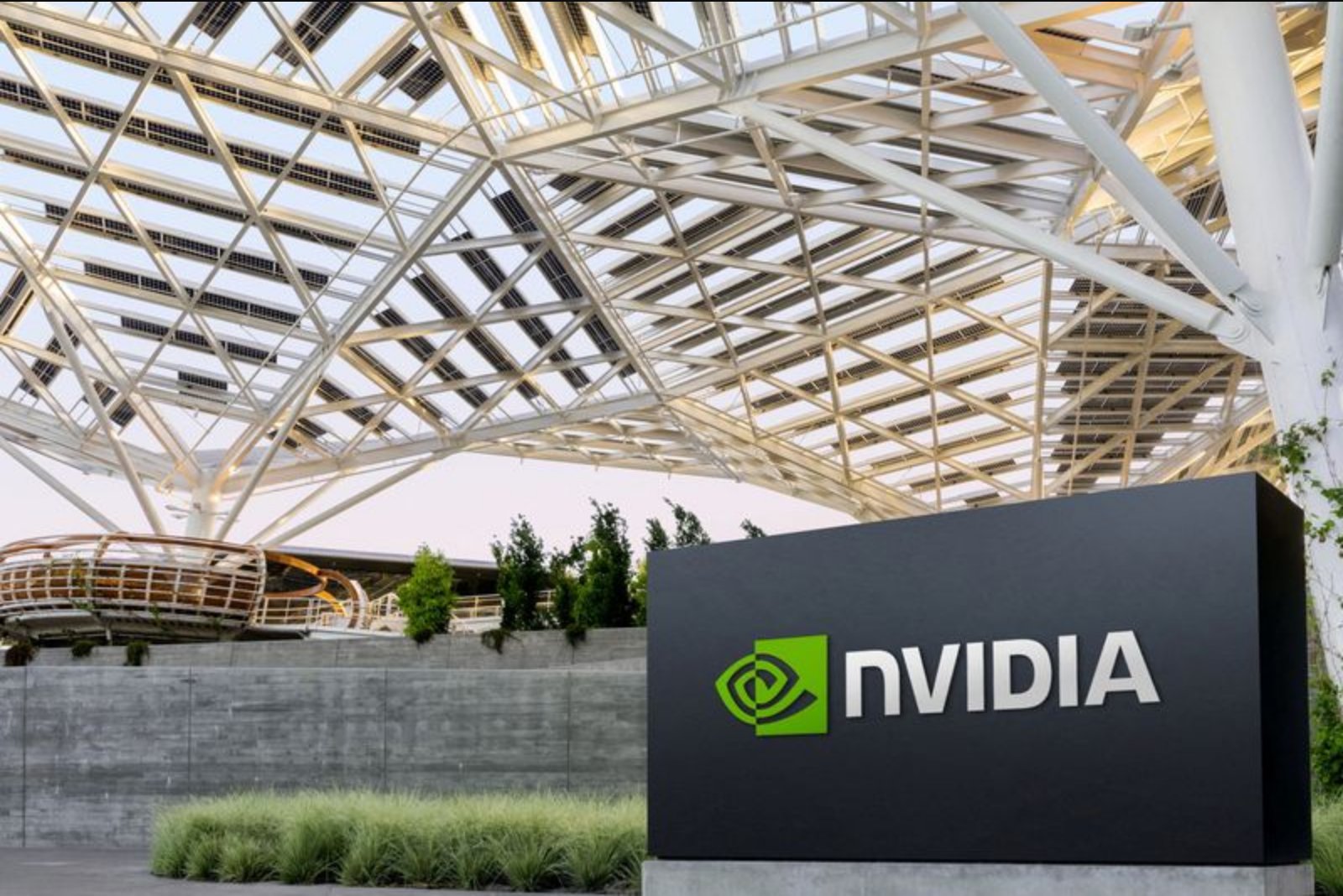
When Nvidia's chief executive takes the stage at this weeks developer conference, the presentations are likely to center on preserving the company's lead amid accelerating competition. The event, held over several days in Silicon Valley, has become the primary venue for Nvidia to detail developments in its processors, data center offerings, its CUDA programming environment, AI agents and physical AI such as robotics.
Investors are watching closely. The conference comes at a time when Nvidia has been plowing profits back into the broader AI ecosystem, and stakeholders will be looking for tangible evidence that those investments are translating into products and partnerships that can sustain growth.
Analysts expect the company to deliver a broad, full-stack update covering current and next-generation chips and an emphasis on inference workloads, agentic AI, networking and the infrastructure necessary for large-scale AI operations. One industry analyst described the likely messaging as a roadmap spanning multiple chip generations while underscoring work on agentic systems and the networking and factory infrastructure that supports them.
Market dynamics driving the agenda
Nvidia's processors remain central to massive data center investments by governments and corporations worldwide, but the competitive landscape is changing. Other chip manufacturers are stepping up their efforts and several large Nvidia customers have begun developing in-house chips tailored for specific AI tasks. Analysts expect the overall market for AI chips to continue expanding, even as Nvidia's share of that market decreases somewhat as inference workloads proliferate.
The industry shift is away from the multi-chip systems linked together for training large models and toward far more numerous, smaller-scale inference tasks. These agentic AI systems will move data and commands among applications to perform work on behalf of people. In turn, the volume of agents is expected to create demand for an orchestration layer to manage fleets of agents between the human user and the automated agents themselves.
Some analysts argue that the rise of agentic AI is a sign of increasing utility for the technology, which could be positive for Nvidia overall. At the same time, inference tasks are more amenable to a broader set of processor types, allowing competition from other chip architectures and custom-designed silicon developed by large cloud and AI lab customers.
Competition and timing
Industry observers note that Nvidia's dominance faces growing pressure. One managing director at a market research firm said Nvidia will face more competition than a year ago, even as the company currently holds a very large share of both training and inference markets. That same observer predicted Nvidia could begin losing market share by 2027 as in-house application-specific integrated circuit, or ASIC, programs scale up, particularly in inference workloads where bespoke chips can offer improved efficiency.
To bolster its position, Nvidia made a major acquisition in December, paying $17 billion for Groq, a startup focused on extremely fast and inexpensive inference computing. Company leadership has indicated the acquisition will be integrated into Nvidia's existing CUDA platform, and investors may see demonstrations at the conference of how Groq's speed-oriented technology fits into the broader Nvidia stack.
Analysts at a research firm expect Nvidia to introduce a new family of server products that pair Groqs devices with Nvidia networking technologies to deliver a mix of speed and cost-effectiveness for inference workloads.
Other architecture shifts
Central processor units, or CPUs, traditionally associated with firms such as Intel and Advanced Micro Devices, are emerging as a renewed point of focus. One analyst noted that CPUs are increasingly important to the orchestration layer that coordinates agentic AI, and he expects Nvidia to showcase servers using only its own central processors, which company executives have referenced on recent earnings calls.
The analyst framed agent orchestration as a CPU-bound bottleneck, implying that improvements in CPU performance and architecture could be a meaningful element of future AI stacks.
Optics, networking and scale challenges
Nvidia has also placed strategic investments into companies that produce lasers used for transmitting data between chips via beams of light. The company invested $2 billion each in two such suppliers. These lasers are a component of co-packaged optics, an approach that could increase the speed of inter-chip connections in very large data centers.
Analysts expect the company to frame co-packaged optics as a key building block for stitching together massive AI clusters more efficiently. The practical challenge, however, is production scale. Current laser production volumes are not yet large enough to match the aggregate number of chips Nvidia sells each year, which raises questions about how quickly and affordably this technology can be deployed at the scale of Nvidias largest customers.
What to watch at the conference
- Announcements about product roadmaps across current and next-generation chips.
- Demonstrations of how Groq technology will integrate with Nvidia's software and networking platforms.
- New server designs that combine Nvidia silicone, networking and potentially Nvidias own CPUs.
- Explanations of the role and timetable for co-packaged optics in large AI clusters.
As the conference unfolds, investors and customers will look for clarity on whether Nvidia's strategy of reinvesting profits across the AI ecosystem is producing durable competitive advantages, and on how the company plans to respond as customers and competitors build specialized silicon tailored to inference and agentic workloads.