
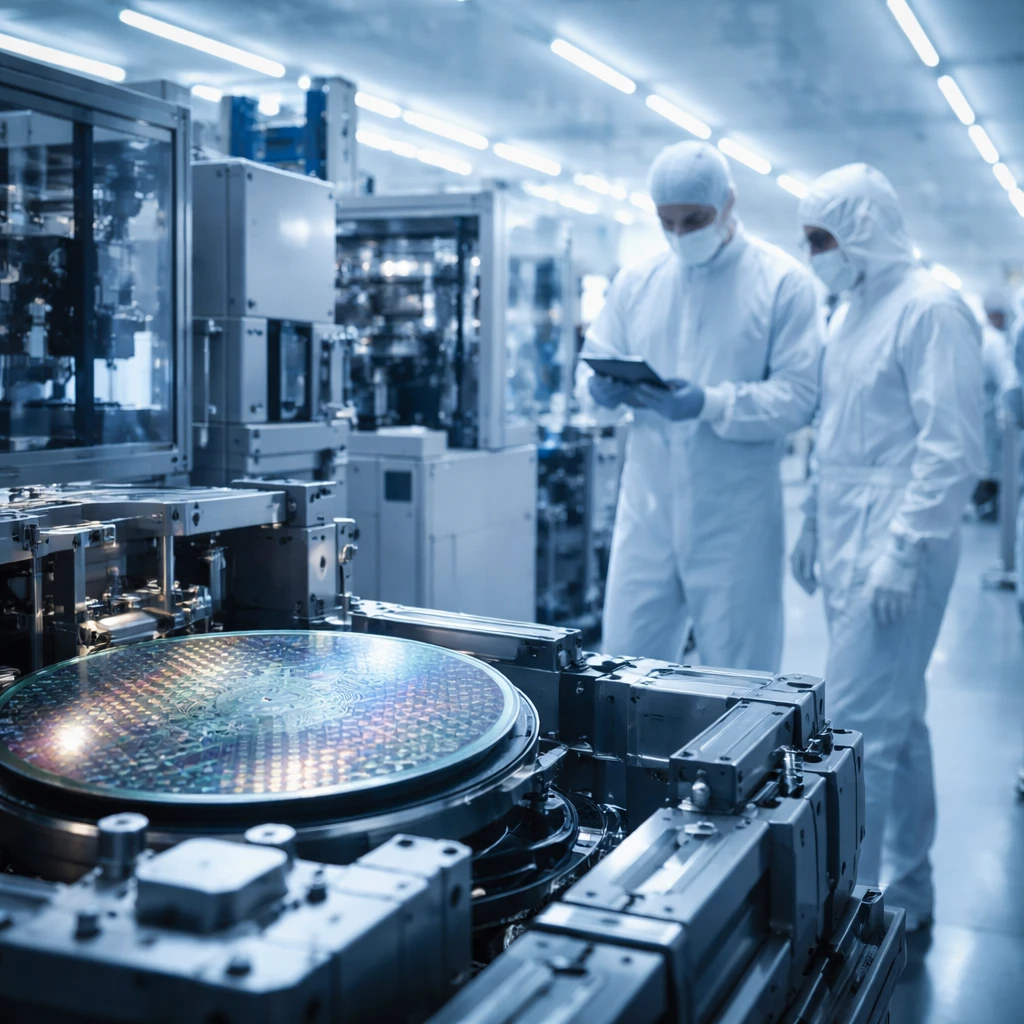
Nvidia has asked leading contract manufacturer TSMC to stop producing chips earmarked for China, and has reallocated that manufacturing capacity from its H200 processors to the newer Vera Rubin hardware, people familiar with the situation said. The move comes as sales into China have weakened amid ongoing uncertainty tied to U.S. export controls and signs of pushback from Chinese authorities.
The H200, while not the latest-generation silicon, remains the most advanced Nvidia processor that U.S. rules permit for sale into China under current export controls. In December, U.S. political signals indicated Nvidia could sell H200 chips in China, but subsequent developments have left the market for those parts uncertain.
Sources familiar with the matter described the production shift to Vera Rubin as a reallocation of TSMC capacity away from H200 volumes that were intended for the Chinese market. The decision suggests Nvidia no longer expects substantial H200 shipments to China in the near term, given the twin pressures of evolving U.S. export restrictions and reported regulatory resistance from China as it pursues greater self-reliance in artificial intelligence technology.
Observers note that while the H200 is an older design relative to Nvidia’s most cutting-edge processors, it remains the most capable model the company is allowed to export to China under the current restrictions. Yet Chinese purchases of those chips have stalled amid renewed calls from some U.S. lawmakers for tighter limits on how that hardware may be used, and amid reported friction between Nvidia and Chinese authorities.
Context and implications
The reallocation of wafer starts at TSMC away from H200 toward Vera Rubin indicates a commercial and operational response by Nvidia to reduced near-term demand for H200 in China. The change affects production planning at a major foundry and reflects how export policy and regulatory dynamics can alter supply-chain priorities for advanced semiconductor vendors.
Details on the scale of the capacity shift or exact timing were not provided by the people cited. The reporting on the request to pause China-destined H200 production is based on those who said they were knowledgeable about the matter.
Key points
- Nvidia asked TSMC to stop producing chips intended for China and moved manufacturing capacity from H200 to Vera Rubin hardware.
- The H200 is the most advanced Nvidia chip currently allowed for sale in China under strict U.S. export controls, but Chinese purchases have stalled.
- Factors cited for the slowdown include heightened U.S. export uncertainty and reported Chinese regulatory pushback as Beijing seeks greater AI self-reliance.
Risks and uncertainties
- Ongoing changes to U.S. export policy could further affect the market for Nvidia chips in China, impacting semiconductor production plans and trade flows.
- Chinese regulatory stance and broader efforts to achieve AI industry self-sufficiency may continue to limit foreign vendors' sales opportunities in that market.
- Information on the precise magnitude and timeline of the production reallocation was limited to people familiar with the situation, leaving operational and financial impacts unclear.
Market sectors affected
- Semiconductor manufacturing and foundry services
- Artificial intelligence hardware and enterprise computing
- International technology trade and regulatory compliance