
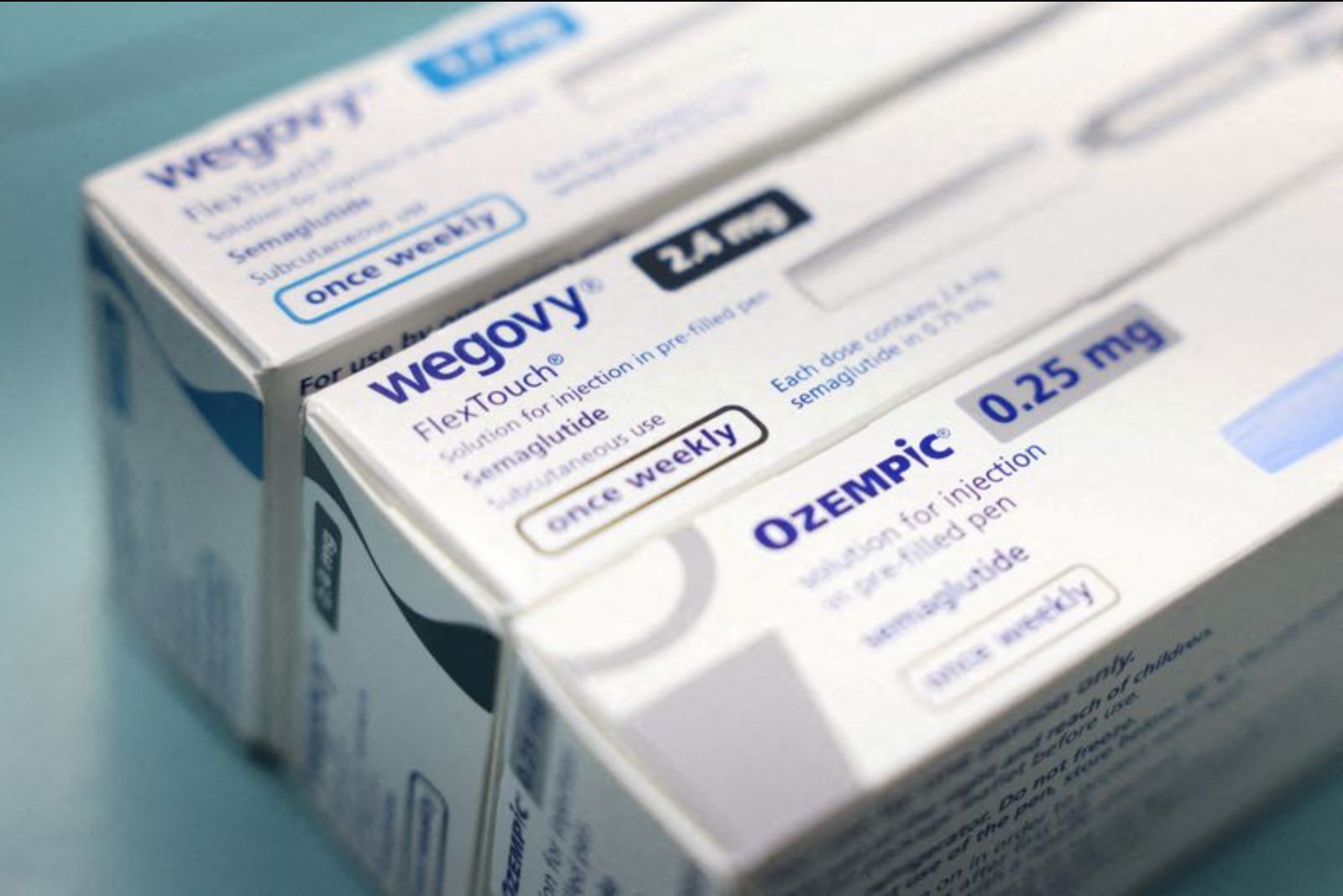
Novo Nordisk and Hims & Hers Health have struck a commercial agreement that will see the Danish drugmaker's branded GLP-1 treatments made available through Hims’ U.S. telehealth platform, and in doing so brought a recent legal confrontation to an immediate halt.
The dispute erupted after Hims introduced compounded versions of Novo’s Wegovy weight-loss pill and compounded injectable GLP-1s, products it pulled from the market two days later. Novo Nordisk filed suit in February over the compounded versions. The two companies have now agreed that Hims will sell FDA-approved Ozempic and Wegovy injectables, plus the Wegovy pill, to consumers in the United States at the self-pay prices set by Novo.
Under the terms of the agreement, Hims will cease advertising compounded GLP-1 drugs for general marketing. The company will, however, retain the ability to provide compounded products when a provider deems such formulations clinically necessary, consistent with U.S. regulations that allow compounded medications in personalized doses or with special ingredients not available in branded forms.
The U.S. Food and Drug Administration had signaled it would pursue enforcement action against Hims for the unauthorized drugs, and the agency’s involvement was cited as a factor in Hims’ reversal on selling a copy of Novo’s pill. FDA commissioner Marty Makary commented publicly that he was pleased Hims would stop advertising unapproved compounded drugs and would instead offer FDA-approved products through the partnership, noting the companies would keep prices unchanged and limit compounded GLP-1s to rare, FDA-compliant cases.
Market reaction to the announcement was intense: shares of the telehealth company leapt by more than 40% on Monday after the deal was disclosed.
Novo Nordisk’s chief executive, Mike Doustdar, highlighted the rapid uptake of the Wegovy pill, saying it has generated more than 600,000 prescriptions since launching two months ago, and credited partnerships with telehealth firms for accelerating that adoption. The company has faced mounting competition in the weight-loss drug segment from rival manufacturers and has responded by sharply lowering the direct-to-consumer prices on its web channels from roughly $1,000 per month to a range of $149 to $299.
Doustdar described lower pricing as a central element of the collaboration, adding that authentic, branded products now carry prices that are similar to those of compounded alternatives.
Hims had previously entered a short-lived agreement with Novo in 2025 to sell branded Wegovy. In the current deal, Hims' chief executive, Andrew Dudum, said the company’s strategic shift away from mass-marketed compounded GLP-1 drugs toward branded, FDA-approved treatments reflects rising demand for a broader set of lower-cost options—an area Dudum identified as where the business expects growth. During a financial-results call, Dudum added that most subscribers accessing GLP-1s through Hims were using branded options.
The agreement follows recent regulatory warnings. The FDA last week notified 30 telehealth companies about potentially misleading promotions of compounded GLP-1 drugs, saying some firms were equating compounded products with approved medications. The agency also indicated it would take decisive steps against companies engaged in mass-marketing of illegal copycat drugs.
Analysts noted the deal reflects tensions between the parties: neither firm fully trusts the other, yet both see mutual need in a commercial relationship. Jailendra Singh of Truist observed that the companies remain bound by necessity despite a lack of trust.
As part of the settlement, Novo Nordisk said it is withdrawing its patent infringement lawsuit but explicitly reserved the right to refile at a later date. The company has previously ended a similar agreement over concerns about compounded drug marketing and sales.
What this means
- Branded Wegovy and Ozempic will be available on Hims’ U.S. telehealth platform at Novo’s self-pay prices.
- Hims will stop advertising compounded GLP-1 drugs for general promotion, though those products can still be supplied when clinically justified by providers.
- Novo has withdrawn its patent lawsuit while retaining the option to refile in the future.