
Nissan Motor will reduce output by about 1,200 vehicles this month at its Kyushu production facility in Japan as exports to the Middle East have been interrupted by strained logistics caused by escalating regional tensions. The cut applies to vehicles manufactured at the Nissan Motor Kyushu plant in Fukuoka Prefecture that are not earmarked for Middle East markets.
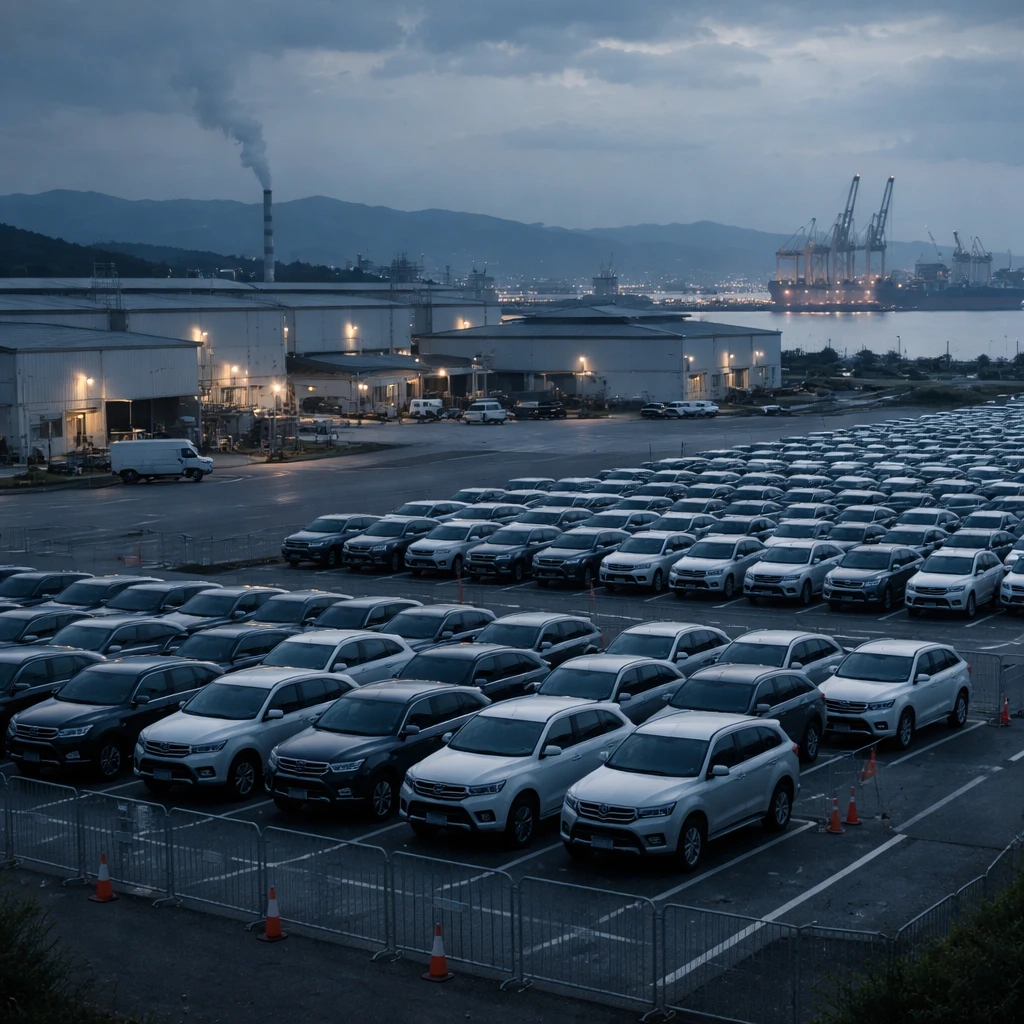
The company is trimming production of certain models to clear storage capacity at the plant, where vehicles intended for the Middle East are currently being held domestically because shipping routes have become constrained. Management has opted to free up space by temporarily cutting runs of cars destined for other markets so that inventory can be managed while outbound shipments remain limited.
Output of the Patrol, a large SUV that is a core model for Nissan in the Middle East, will continue at normal levels at the nearby Nissan Shatai Kyushu plant. The Patrol is experiencing robust demand and strong profitability, and its production is being maintained despite the broader export disruption.
The shipping delays and storage adjustments follow an uptick in regional tensions tied to the Iran conflict and heightened shipping risks near the Strait of Hormuz, a crucial global maritime corridor. Those risks have constrained logistics routes used to move finished vehicles to customers in the Middle East, causing automakers to reassess production and inventory handling at Japanese plants.
In related industry developments, Japan's Toyota Motor has also announced reductions in output for vehicles bound for the Middle East, cutting production of roughly 40,000 units through April. The moves by both automakers reflect the operational effects of the constrained shipping environment on exporters that serve Middle East markets from Japan.
Context and implications
Nissan's decision to pare back production at Kyushu is a short-term operational response aimed at managing limited storage and logistics capacity while shipments to the Middle East are delayed. The continuation of Patrol production at Nissan Shatai Kyushu signals prioritization of high-demand, high-margin models even as broader export flows are affected.