
Overview
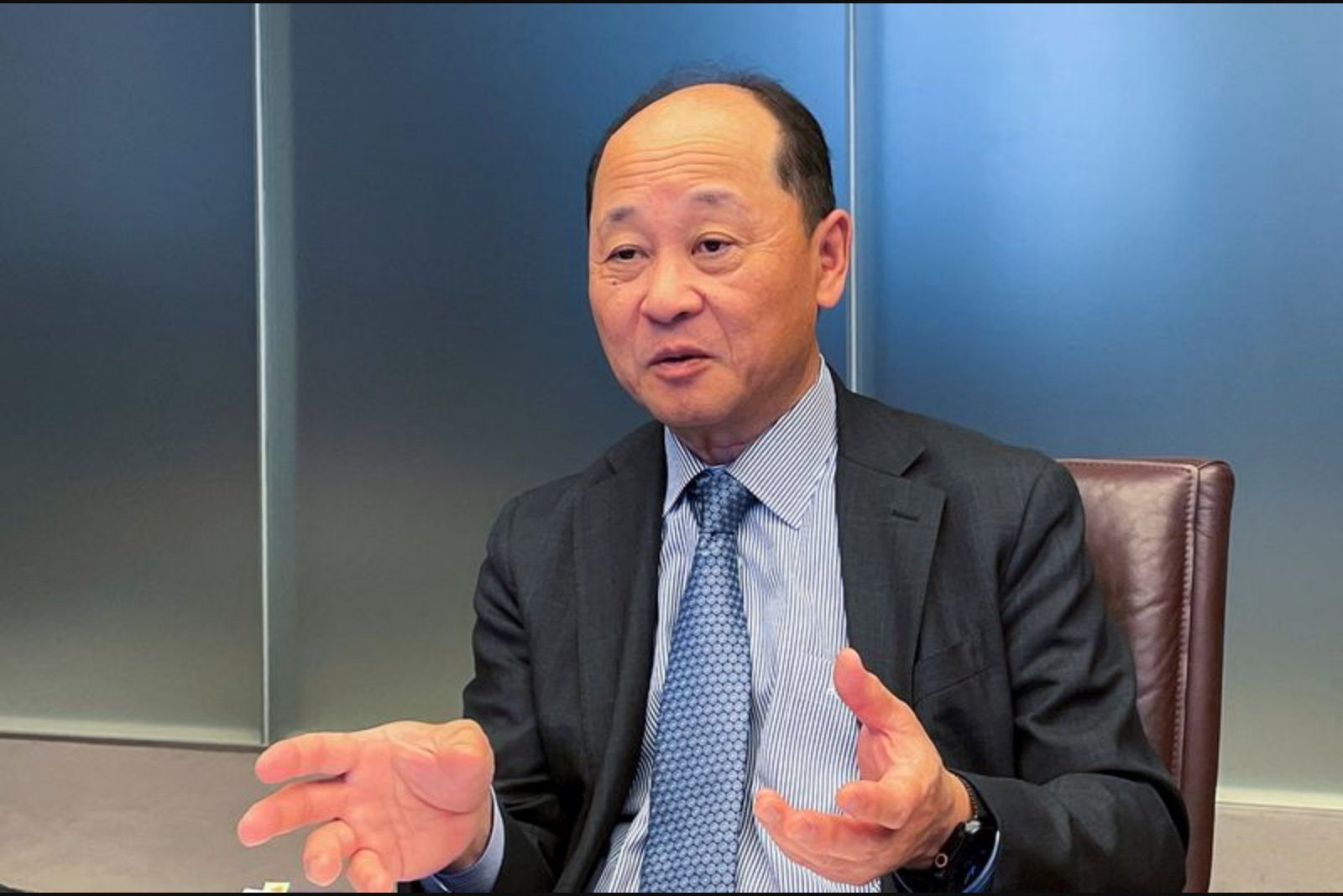
Nippon Steel’s finance chief, Takahiko Iwai, said the company sees no need to pare capacity at U.S. Steel and anticipates the U.S. business will contribute to consolidated earnings in fiscal 2026, compared with a zero contribution this fiscal year. Iwai attributed the expected improvement to stronger steel prices, the transfer of technology and operational gains achieved through recent investments.
Operational and personnel moves
Iwai noted that U.S. Steel’s operations have been improving as the effects of capital expenditure roll through the business. He said roughly 100 Nippon Steel staff were dispatched to the United States to share best practices and technology with the acquired operations. He identified plant upgrades as a driver of next year’s turnaround, citing the Big River 2 facility, which began operations in late 2024 and is now running near full capacity - a development that will have a full-year impact in the next fiscal year.
Cost structure and product mix
Despite the positive signs, Iwai highlighted U.S. Steel’s high variable-cost structure as its largest challenge, a legacy of underinvestment over prior years. Nippon Steel's plan is to complete a series of investments over four years aimed at increasing the share of high-margin, value-added products. Iwai said doing so should significantly enhance quality and cost competitiveness and help build a structure capable of sustaining profits even during market downturns.
He also remarked that the United States represents the world’s largest market for high-grade steel and is relatively less exposed to Chinese competition than some other markets - a factor that supports demand for higher-end product lines.
Financial considerations
Nippon Steel closed its acquisition of U.S. Steel for $15 billion in June after prolonged negotiations. Following the deal, the company lowered its earnings forecast for the U.S. unit to zero from an earlier estimate of 80 billion yen for the nine months to March 2026. Iwai attributed that revision to weak market conditions, buyers delaying purchases in response to U.S. tariffs, and transport disruptions caused by a recent cold snap.
On financing, Iwai said a 2 trillion yen bridge loan arranged for the acquisition remains in place, with 1.3 trillion yen of that facility facing refinancing deadlines in June. That figure does not include 700 billion yen the company has already raised through subordinated loans and similar instruments. Iwai said management is considering various options to address the upcoming maturities. He declined to comment on reports that Nippon Steel is considering selling as much as 500 billion yen of convertible bonds. ($1 = 155.2500 yen)
Outlook
Iwai did not provide a numerical forecast for U.S. Steel’s expected earnings in the next fiscal year, but reiterated that ongoing facility improvements and technology transfers are key to reversing the current zero-earnings outcome. While urgent measures are required to remedy the company's high-cost profile, he said capacity cuts similar to those implemented in Japan in the early 2020s are unnecessary because U.S. steel demand is growing.