
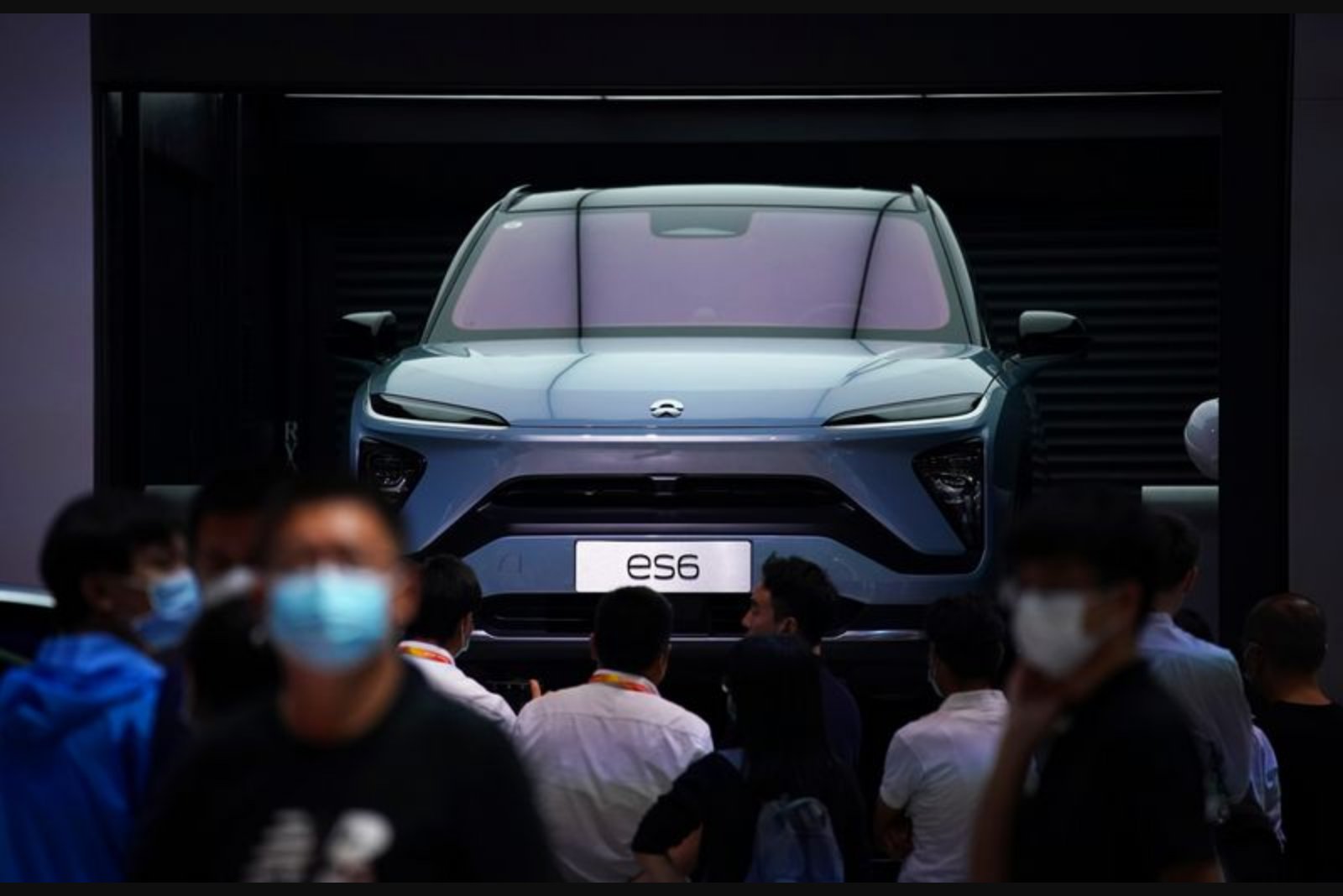
China's Nio is recalling 246,229 vehicles because of a software defect that the market regulator says poses safety risks. The action, announced in a statement by the State Administration for Market Regulation on Monday, covers the ES8, ES6 and EC6 models produced from March 16, 2018 to January 16, 2023.
According to the regulator, some of the affected cars contain a software issue that could cause a brief blackout of the instrument cluster and the central control screen. The recall represents the largest ever by a domestically headquartered electric vehicle manufacturer in China and is roughly equivalent to three quarters of Nio's 2025 sales volume, the regulator's statement said.
To address the problem, Nio plans to deliver remote software updates to vehicles where that approach is feasible. For cars that cannot receive the update remotely, the company will perform the necessary upgrades through its service centres, the regulator added.
The scale of this recall surpasses a prior large software-related corrective action in the sector. In September, a tech firm implemented a software update for more than 115,000 of its SU7 electric sedans to remedy potential safety issues tied to assisted driving features, the market regulator noted when comparing the two measures.
In a separate announcement on Monday, the State Administration for Market Regulation said that Chinese electric vehicle brand Zeekr will recall 38,277 cars due to safety hazards originating from power batteries. The regulator released both statements on the same day.
Summary of actions reported:
- Nio recall: 246,229 vehicles (ES8, ES6, EC6) manufactured between March 16, 2018 and January 16, 2023, due to software that could cause brief display blackouts.
- Remediation approach: remote software updates where possible; service centre upgrades when remote updates are not viable.
- Separate recall: Zeekr to recall 38,277 vehicles because of power battery-related safety hazards.
The announcements were limited to the details provided by the market regulator. No additional timelines, cost estimates, or further technical specifics were included in the regulator's statements.