
Nevada gaming authorities on Tuesday initiated a lawsuit aimed at preventing prediction market operator Kalshi from offering event contracts that would enable residents to wager on sports including football and basketball. The Nevada Gaming Control Board's filing is part of an intensifying legal conflict across jurisdictions about whether state gaming regulators can police companies that run prediction markets and enable financial bets.
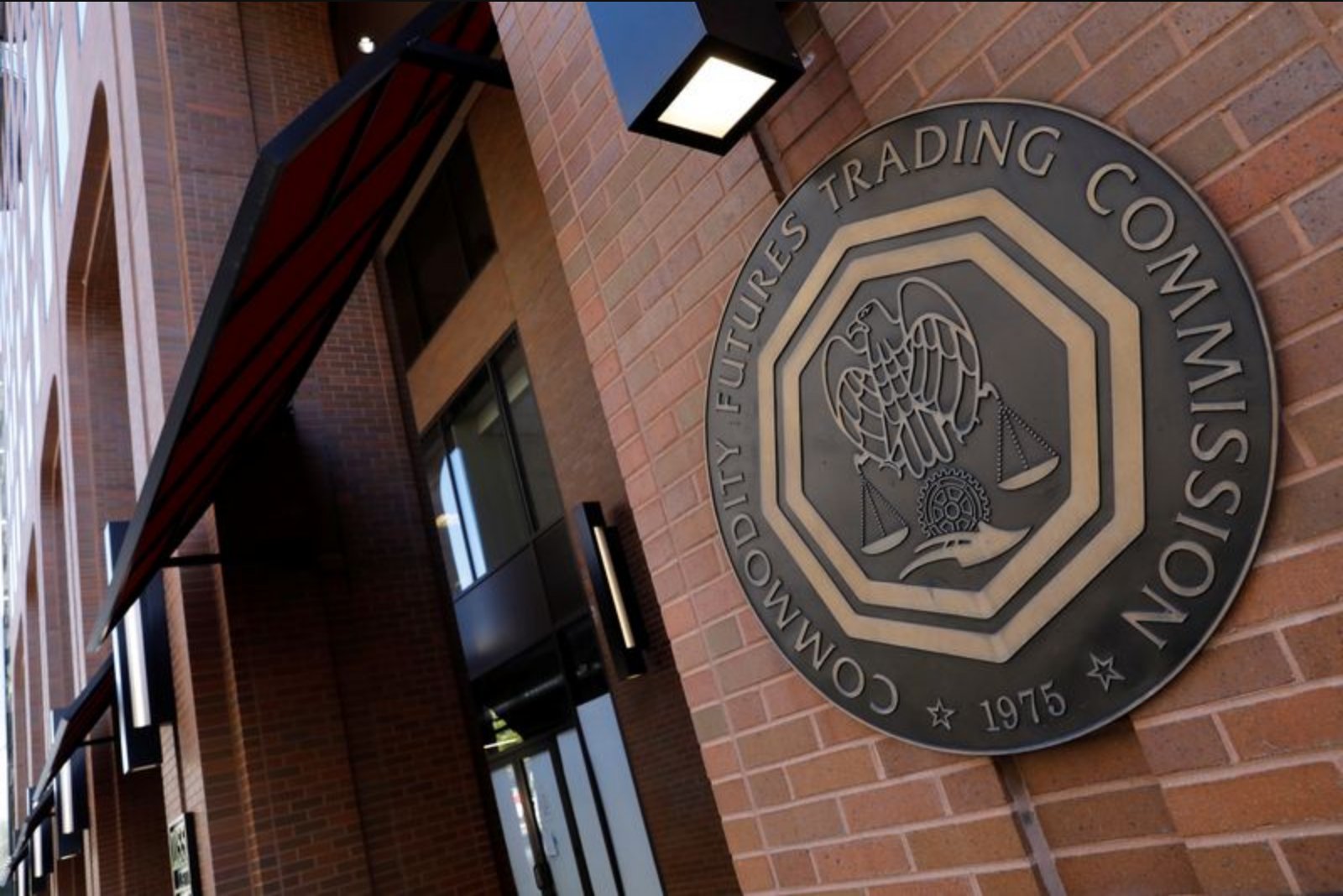
The state's suit arrived the same day the Commodity Futures Trading Commission submitted a brief in related litigation backing firms like Kalshi, contending the CFTC has exclusive jurisdiction over prediction markets. Kalshi has for months sought to stop Nevada regulators from bringing a case, but a federal appeals court on Tuesday declined to stay a November judge's order that dissolved an injunction which previously blocked Nevada from pursuing enforcement against the company.
Should Nevada prevail in its action, the state would become the second to obtain a court order barring Kalshi from offering sports event contracts. A Massachusetts judge on February 5 issued an injunction at the request of that state's attorney general that would prohibit Kalshi from offering such contracts; that Massachusetts injunction was scheduled to take effect in 30 days, but a state appeals court justice put it on hold on Tuesday while Kalshi pursues an appeal.
In its complaint, Nevada argues that offering sports event contracts and certain other event contracts qualifies as wagering under Nevada state law, which would require Kalshi to hold appropriate state gaming licenses. The state alleges Kalshi failed to comply with Nevada gaming regulations, pointing to rules that bar anyone under 21 from placing wagers and requirements that entities accepting sports wagers implement safeguards against bets by insiders, including players, and against match fixing.
Nevada has already persuaded judges to issue orders stopping two other prediction market operators, Coinbase and Polymarket, from offering events contracts. The latest filing seeks a state court judge's temporary restraining order to stop Kalshi from offering such contracts in Nevada.
Shortly after Nevada filed the lawsuit, Kalshi requested the case be transferred to federal court, asserting the dispute raises a legal question about whether the CFTC's exclusive jurisdiction applies. The New York-based company maintains the CFTC is the sole regulator for its events contracts because they are swaps - a form of derivative contract - and therefore fall under federal oversight.
Key points
- Nevada has sued Kalshi to stop the company from offering sports event contracts to state residents, alleging those contracts constitute wagering under state law and require licensing.
- The CFTC filed a brief arguing for exclusive federal jurisdiction over prediction markets the same day Nevada sued, and Kalshi has asked for the Nevada case to be moved to federal court.
- This dispute affects state gaming regulators, prediction market operators, and fintech platforms involved in event-based contracts.
Risks and uncertainties
- Unclear jurisdictional outcome - Courts must decide whether states or the CFTC have authority over prediction market event contracts, creating legal uncertainty for operators and regulators in the gaming and financial sectors.
- Regulatory compliance issues - If states prevail, companies may need to obtain state gaming licenses and implement age and insider-wager safeguards, affecting operational practices for market operators.
- Potential for further injunctions - Existing court orders blocking other operators suggest the possibility of additional legal restrictions that could limit market offerings and affect transaction volumes in prediction markets.