
Dutch Trade Minister Sjoerd Sjoerdsma made clear on Tuesday that the Netherlands and China are aiming to move beyond a period marked by friction as he wrapped up a three-day trade mission - the first by a Dutch trade minister to China since 2018. After meeting with Chinese Commerce Minister Wang Wentao in Beijing, Sjoerdsma told reporters that talks were both candid and future-focused.
"We had a frank discussion, but also forward-looking, because I think both of us wanted to make a clean break with the previous period in which there were a lot of frictions and a lot of problems," he said, describing the tone of the discussions as an effort to reset relations with Beijing amid intensifying technology competition between the United States and China and renewed trade tensions between China and the European Union.
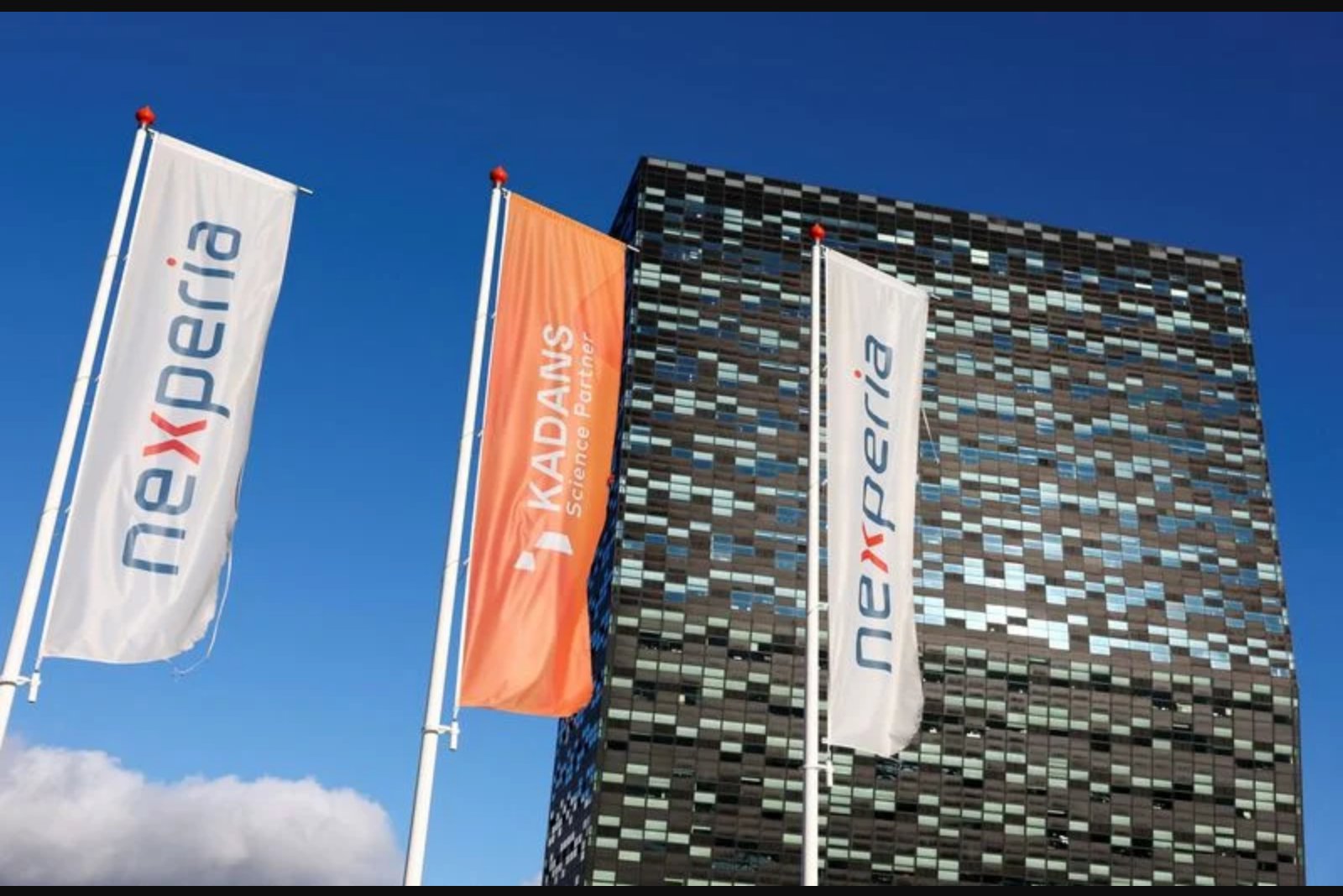
Central to the bilateral agenda is the dispute surrounding Nexperia, which is headquartered in the Netherlands and owned by China’s Wingtech Technology. Dutch authorities intervened in late 2025 on national-security grounds, and the company has since been entangled in a battle over control and governance with its Chinese parent.
According to public statements from the firm, Nexperia China - backed by Wingtech - has declared independence from Nexperia Europe and has begun sourcing wafers from alternative Chinese suppliers, a change the company reported in May. Sjoerdsma said Dutch and Chinese authorities are collaborating constructively to contain the fallout from that split, but he added that a lasting solution ultimately depends on an agreement between Nexperia Europe and its Chinese unit.
"I think the Chinese government and the Dutch government are cooperating extremely well together when it comes to Nexperia," Sjoerdsma said, while noting that settlement requires direct agreement between the corporate entities involved.
The visit also coincides with growing scrutiny of Dutch chip equipment maker ASML. U.S. lawmakers are considering the proposed MATCH Act, which would impose further limits on China’s access to advanced chipmaking tools, including deep ultraviolet lithography systems. ASML has faced mounting pressure from Washington over semiconductor exports to China.
ASML has pushed back against U.S. allegations that one of its extreme ultraviolet lithography machines - its most advanced equipment and subject to Dutch export controls - was shipped to China. Those EUV machines have been barred from sale to China under Dutch export controls since 2019, a policy Sjoerdsma defended.
"The goal of our semiconductor export control regime is to make sure that no material ends up in places where our security might be endangered, and I’m confident that the very strict Dutch controls ensure that this is the case," the minister said.
As the Netherlands seeks to manage corporate governance strains at Nexperia and external pressure on ASML, authorities in both countries appear engaged in pragmatic discussions aimed at limiting disruption. Yet the resolution of the Nexperia dispute and the outcome of legislative and diplomatic pressure on semiconductor exports remain key variables for market participants and policymakers.