
Nestle reported better-than-expected organic sales growth in the fourth quarter and announced a tighter strategic emphasis on its strongest brand-led businesses, saying it will concentrate investment and management attention on Coffee, Petcare, Nutrition and Food & Snacks.
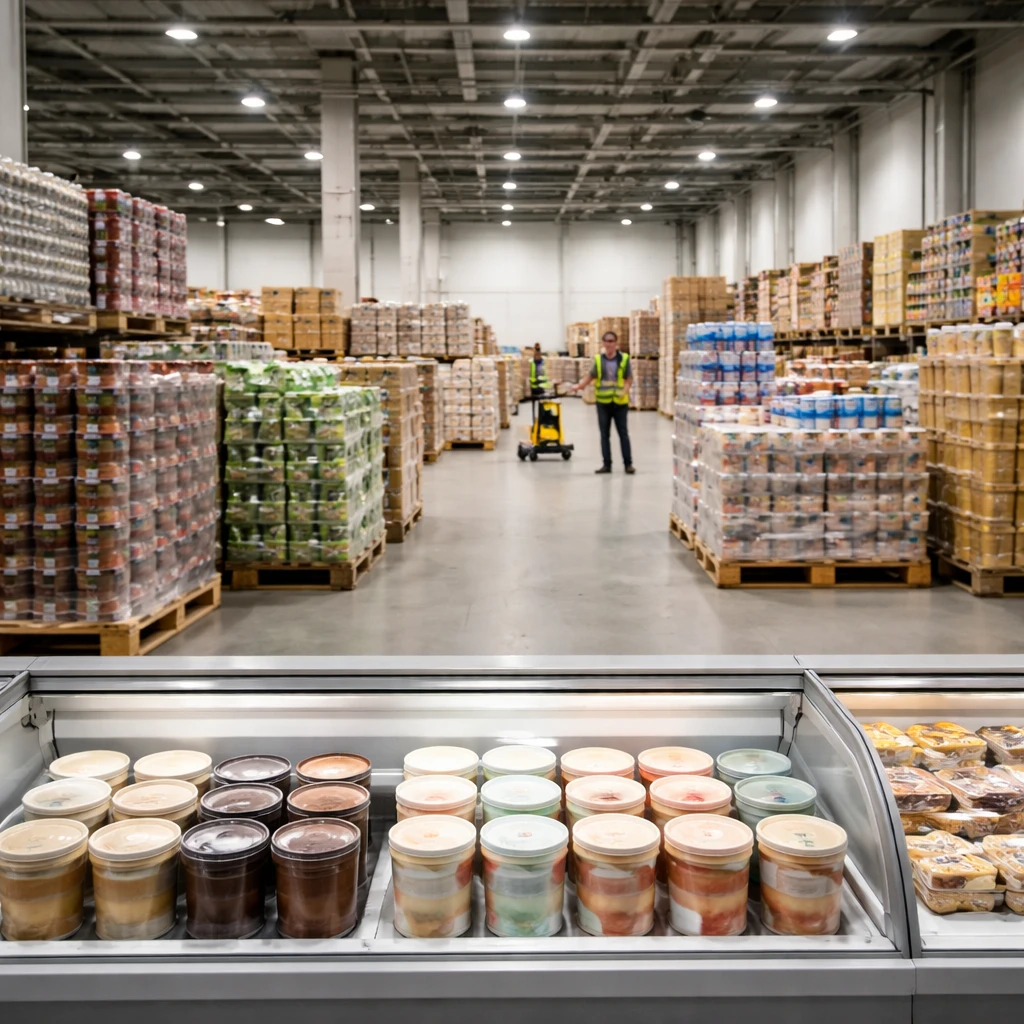
As part of that refocus, Nestle said it is in advanced negotiations to divest its remaining ice cream business to Froneri - the joint venture controlled by PAI Partners and Nestle that owns the Haagen-Dazs brand. The company also concluded a strategic review of its mainstream and value vitamin and supplement brands and said it would engage with potential buyers.
Management added that it expects to deconsolidate its waters business beginning in 2027 and has started a formal process with potential partners in the first quarter. These moves form part of a wider repositioning under Chief Executive Philipp Navratil, who has initiated a series of structural changes since taking the role in September, including a plan to cut 16,000 jobs.
Navratil acknowledged operational headwinds tied to the largest infant formula recall in Nestle's recent history, saying stock shortages and sales returns will affect volumes in 2026. He struck an upbeat but measured tone on the company's execution plan, saying:
"While there is more to be done, we are confident that our faster execution of a more focused strategy will deliver sustained improvement through 2026 and beyond," Navratil said.
On the outlook, Nestle expects full-year 2026 organic sales growth in the range of 3-4% and is forecasting an improvement in its underlying trading operating profit margin this year from the 16.1% reported in 2025. The company noted it continues to contend with a mix of pressure points - U.S. import tariffs, foreign exchange movements and consumers with reduced purchasing power - which have weighed on recent performance.
For the quarter ended December 31, Nestle reported organic sales growth of 4%, exceeding expectations for 3.4% growth. The company characterized the results as evidence that a narrower portfolio focus and quicker execution can begin to lift performance, even as it manages the fallout from the product recall and other macro and operational challenges.
Market and sector implications
The company moves - including the intended sale of ice cream operations and the potential exits for vitamins and waters - signal a consolidation of resources toward higher-priority categories. These shifts will affect the consumer staples landscape, while potential divestments may interest private equity and strategic buyers operating in packaged foods, beverages, and health nutrition segments.