
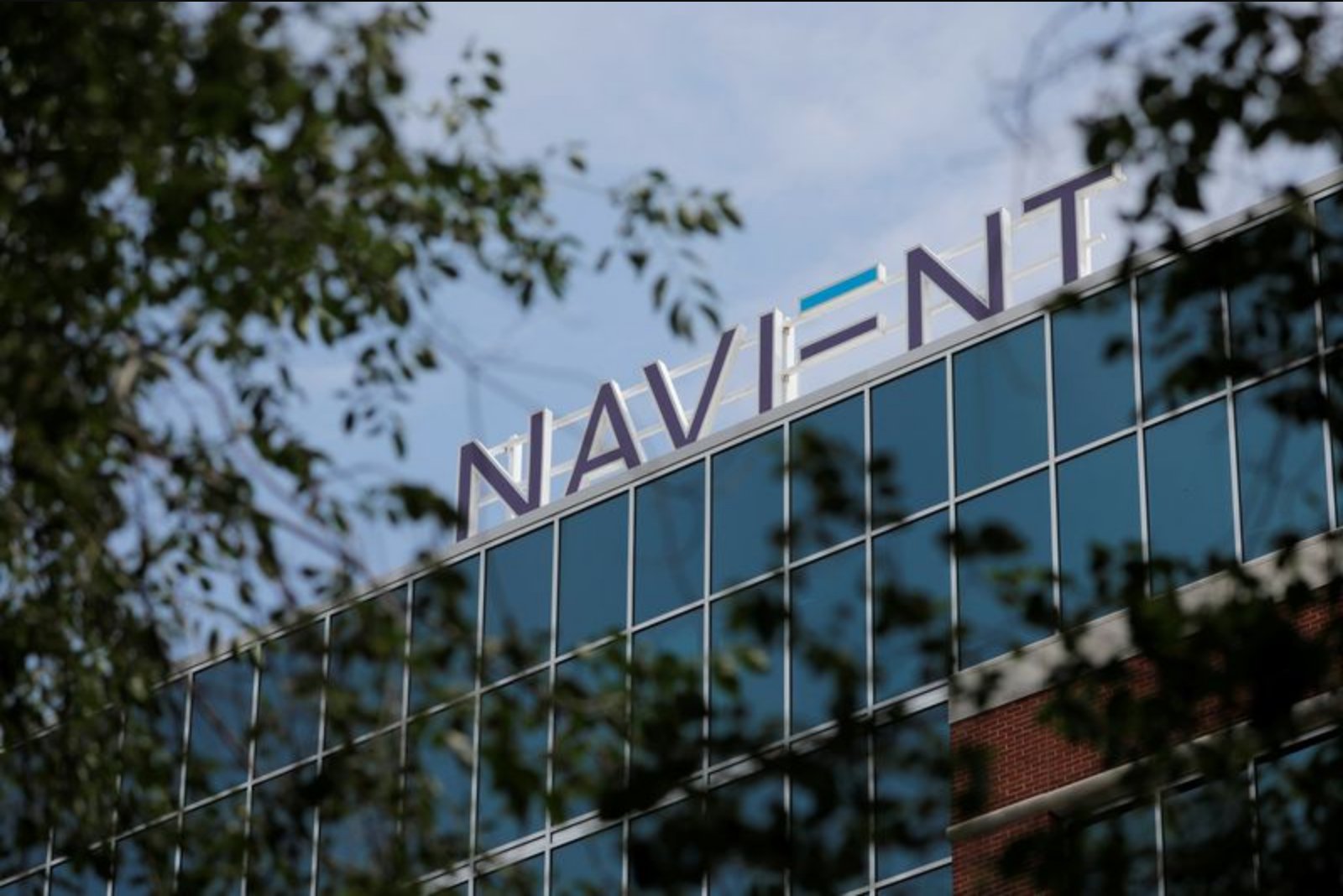
Borrowers who were named as victims in the Consumer Financial Protection Bureau's case against Navient have started to receive compensation from a $100 million restitution fund, the bureau says on its website.
The CFPB indicates that a third-party consultancy started issuing payments on February 13. The distribution marks the first tangible movement of funds tied to the bureau's enforcement action against the student loan servicer.
In 2024, Navient accepted a prohibition on servicing federal student loans and agreed to pay $120 million to resolve CFPB allegations, with $100 million designated for borrower compensation. The CFPB's complaint alleged that Navient steered borrowers into postponing repayments - even when they qualified for more affordable repayment plans - causing affected borrowers to incur higher interest costs. Navient said at the time that it did not agree with the agency's allegations.
The start of payments comes more than a year after President Donald Trump took steps that effectively froze many operations at the CFPB, a pause that consumer advocates say put hundreds of millions of dollars tied to prior enforcement actions at risk. Mike Pierce, a former CFPB official who now leads the advocacy organization Protect Borrowers, issued a statement saying that the administration's actions had delayed payouts for more than a year and had given the industry a "free pass" even as student borrower defaults mounted.
The CFPB and Navient did not immediately respond to requests for comment outside regular business hours on Tuesday.
The sequence of events highlights the procedural path from enforcement to relief: a bureau allegation, a negotiated settlement that included a prohibition on federal servicing and a multi-million-dollar payment, and now the operational step of a third-party firm issuing redress to identified victims. The CFPB's website is the public source reporting the commencement of those payments.
Details about the timing and amounts individual borrowers will receive were not provided in the bureau's public notice cited on the site. Observers and advocates have pointed to the administrative pause as a factor that delayed distribution, but the bureau's notice confirms the third-party vendor has begun executing the compensation plan.