
MP Materials swung to a fourth-quarter profit, the company said on Thursday, driven in part by the U.S. government's price-support arrangement and sales of magnetic material. For the quarter ended December 31, the rare earths producer recorded net income of $9.4 million, or 5 cents per share, reversing a year-ago net loss of $22.3 million, or 14 cents per share.
Underlying the swing was income from a government-backed price protection arrangement. The company reported $51 million in price protection agreement income from the U.S. government. Last year, the U.S. guaranteed MP Materials a price floor of $110 per kilogram for its rare earths; those prices have approximately doubled over the last seven months and currently sit above that guaranteed floor.
Excluding stock-based compensation and one-time items, MP Materials earned 9 cents per share for the quarter. By that adjusted measure, analysts had been expecting results to roughly break even, according to IBES data from LSEG. Despite the beat on adjusted earnings, shares fell 2.9 percent to $58.25 in after-hours trading.
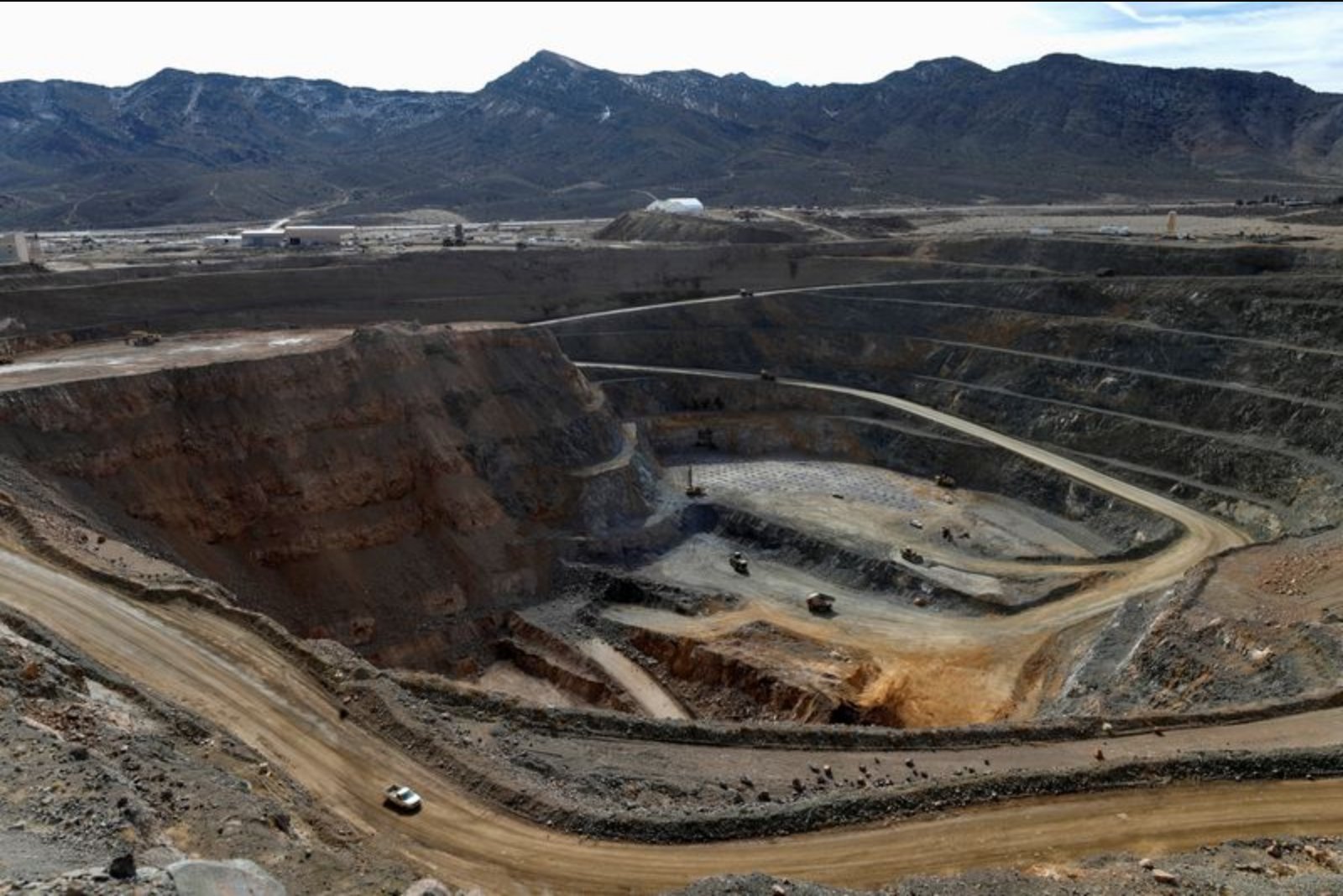
Rare earths are a collection of 17 metals used to produce magnets that convert electrical energy into motion. The sector is heavily dominated by China, and the U.S. agreement with MP Materials, set for 2025, was structured to reduce that market concentration for materials used in weapons, electric vehicles and a range of electronics. MP Materials operates the only rare earths mine in North America and conducts processing in California.
The company has been reshaping its supply chain and processing footprint. Last year MP stopped shipping rare earths to China for processing, a move that halted a significant source of revenue, and it has been increasing processing activity at its California facility. Concurrently, MP has been bringing an onshore magnet facility in Texas online and recorded $19.9 million in magnetics revenue in the quarter, with $8.4 million reported as adjusted magnetics profit.
As part of an agreement with the U.S. Department of Defense, MP Materials also said it would construct a second magnet facility. The plan under the DoD arrangement calls for manufacturing capacity of 10,000 metric tons of magnets annually.
Summary
MP Materials returned to quarterly profitability through a mix of U.S. government price protection income and early magnet sales, while accelerating domestic processing and magnet production capacity as it reduces reliance on China for processing.
Key points
- Net income of $9.4 million, or 5 cents per share, for the quarter ended December 31, versus a prior-year net loss of $22.3 million.
- $51 million of price protection agreement income from the U.S. government, supporting results above the guaranteed floor of $110 per kilogram established last year.
- Magnetics revenue of $19.9 million and adjusted magnetics profit of $8.4 million; plans to build a second magnet facility to deliver 10,000 metric tons annually under a DoD agreement.
Risks and uncertainties
- Dependency on the U.S. government price protection - a material portion of the quarter's improved results came from a $51 million payment tied to that agreement, which affects earnings for the period covered.
- Shift in processing and revenue sources - stopping shipments to China for processing eliminated a previously significant revenue stream and requires successful scaling of domestic processing in California and magnet production in Texas.
- Market reaction - despite the profit, shares fell in after-hours trading, indicating investor sensitivity to factors beyond headline profitability.
Investors and observers should weigh the influence of government support payments on reported earnings and monitor the company's progress bringing magnet production fully online as MP Materials expands its domestic supply chain and manufacturing footprint.