
MiniMed Group Inc. has completed its initial public offering, selling 28 million shares at $20 apiece and commencing trading on the Nasdaq Global Select Market on March 6 under the ticker symbol "MMED." The company reported net proceeds from the offering of approximately $538 million after underwriting fees and offering expenses were deducted.
MiniMed said it will allocate part of the cash raised to general corporate purposes. The remaining proceeds were used to repay intercompany debt owed to Medtronic plc, a transaction the company disclosed in connection with the offering.
As a result of the IPO closing, Medtronic continues to own roughly 90.03% of MiniMed's common stock. MiniMed has previously signaled that its preferred path to complete the separation from Medtronic is through a split-off transaction - a route the company has identified as its favored mechanism but has not yet finalized.
The underwriting group for the offering included several major banks. Goldman Sachs & Co. LLC, BofA Securities, Citigroup and Morgan Stanley served as active bookrunners. Additional joint book-running managers were Barclays, Deutsche Bank Securities, Mizuho, Wells Fargo Securities, Evercore ISI and Piper Sandler. BTIG and William Blair & Company participated as co-managers.
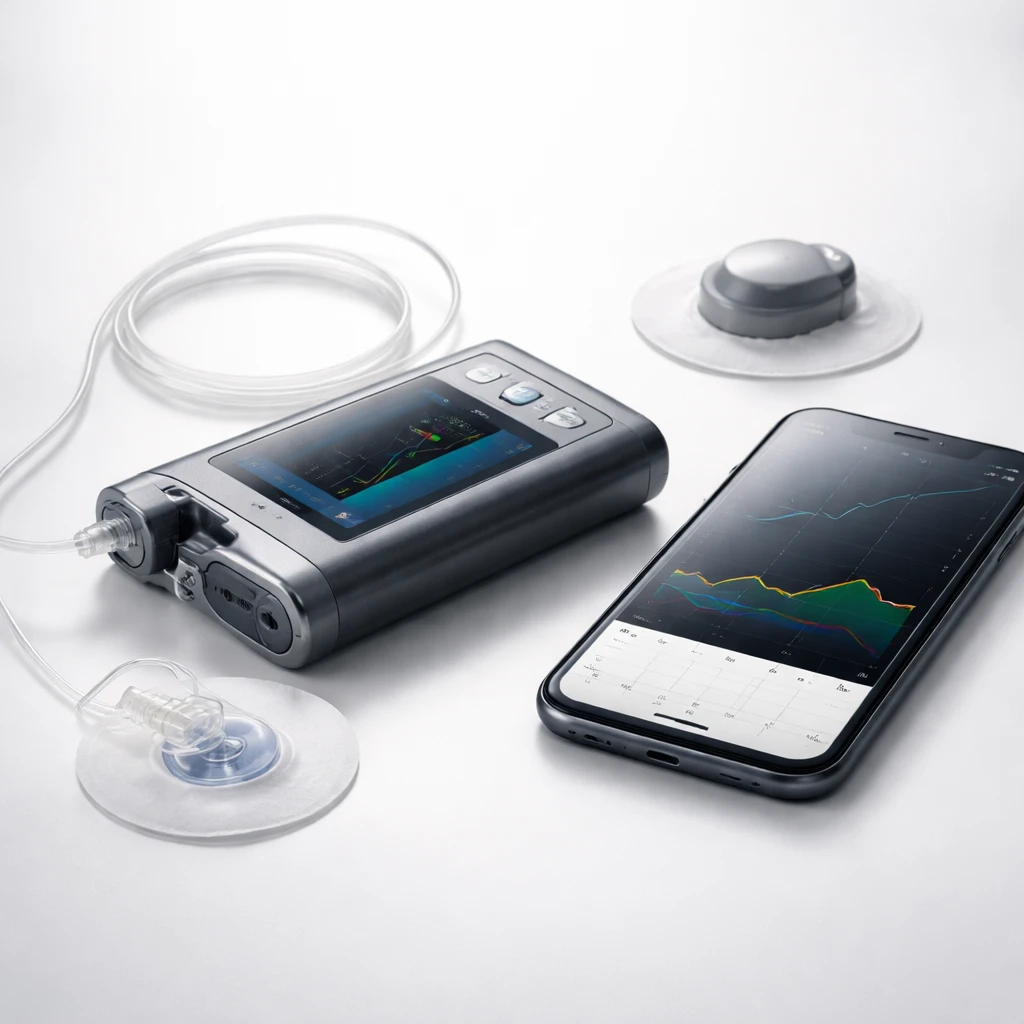
MiniMed operates in the diabetes management sector, offering insulin delivery systems, continuous glucose monitors, algorithms and mobile applications across 80 countries. The company describes its products as components of an integrated diabetes care ecosystem designed to operate together as a comprehensive solution for patients and providers.
The offering was executed under a registration statement on Form S-1 that was filed with and declared effective by the U.S. Securities and Exchange Commission.
Key points
- MiniMed sold 28 million shares at $20 each and started trading as MMED on Nasdaq Global Select Market on March 6.
- The IPO generated about $538 million in net proceeds; funds are earmarked for general corporate purposes and repayment of intercompany debt to Medtronic.
- Medtronic retains a substantial ownership position, holding approximately 90.03% of MiniMed's common stock; the company has indicated a split-off is the preferred separation route.
Risks and uncertainties
- High residual ownership by Medtronic - Medtronic's roughly 90.03% stake means the parent company will continue to have predominant influence over MiniMed's governance and strategic decisions, affecting corporate autonomy and market perception - sectors impacted include healthcare and capital markets.
- Separation approach not finalized - although MiniMed has stated a split-off is its preferred method to complete the separation, that process has not been completed and remains an uncertainty - this affects corporate-transaction outcomes within medical device markets.
- Use of proceeds to repay intercompany debt - a material portion of the offering's net proceeds was applied to intercompany debt owed to Medtronic, which limits the amount of new capital retained for other operational initiatives - relevant to the company's balance sheet and resource allocation in the healthcare equipment sector.