
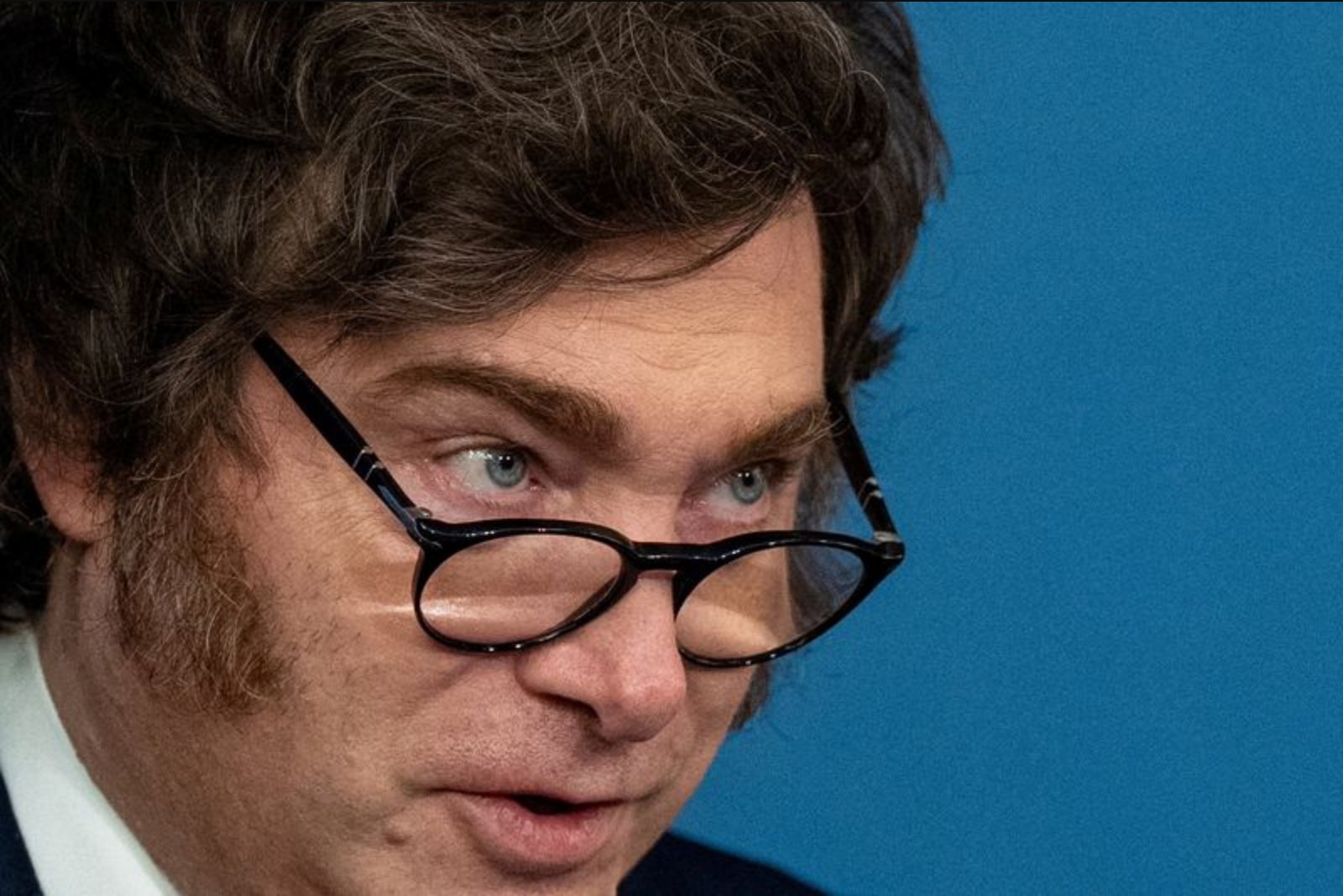
President Javier Milei is set to make a high-profile appeal to investors and executives inside JPMorgan’s new Midtown Manhattan headquarters as part of "Argentina Week," a New York roadshow designed to demonstrate that the South American country’s stabilization program remains an investable proposition despite deteriorating global market conditions.
Argentine officials staging the event are aiming to show that aggressive domestic reforms - including broad spending cuts, deregulation and fiscal tightening - are beginning to reestablish macroeconomic stability after years marked by persistent deficits, currency crises and very high inflation. Those measures, coupled with a recent labor overhaul approved by Congress, form the backbone of the government’s argument that Argentina is moving toward a more durable economic footing.
Manuel Adorni, chief of Milei’s cabinet and the president’s spokesperson, framed the New York outreach as a relationship-building exercise. Speaking to investors at a reception at the Argentine consulate in New York, Adorni said the government is focused on creating the conditions for productive conversations, building trust and laying foundations for long-term engagement.
U.S. government support has been a central element of the message Buenos Aires is taking to Wall Street. The administration of President Donald Trump publicly backed Milei ahead of Argentina’s October 2025 midterm elections and expanded financial cooperation with Argentina. A liquidity facility advocated by the United States helped avert a run on the peso before that vote. In February, the two countries signed a reciprocal trade and investment agreement intended to make it easier for U.S. firms to invest in Argentina, including in critical minerals.
Economists and strategists attending events in New York said the roadshow’s goal is to reaffirm that Argentina now offers clearer investment opportunities and a more stable macroeconomic and political outlook. "They’re simply reiterating the investment opportunities in Argentina and sending a message of macroeconomic and political stability," said Armando Armenta, a senior economist and strategist at AllianceBernstein. He noted it is useful that Argentina is again in the spotlight after an extended period of relative neglect.
Officials traveling to New York along with Milei include Economy Minister Luis Caputo, central bank governor Santiago Bausili and deregulation minister Federico Sturzenegger. The delegation is using the meetings to highlight opportunities in sectors the government believes stand to benefit from the reform agenda - notably energy, mining, agriculture and technology - while making the case that recent policy changes are opening space for longer-term private investment.
Yet the government’s message faces headwinds from global conditions that have pushed investors toward safety. Oil prices have climbed nearly 30 percent this month to roughly $90 per barrel amid military action involving the United States and Israel and Iran. That spike in energy costs, together with a broad flight to safety, has strengthened the dollar and drawn capital away from many emerging markets. Since late January the dollar has risen more than 4 percent versus developed-market currencies, and the emerging-market currency index has given back its gains for the year.
Those flows have had visible effects on Argentine markets. Last week the local stock benchmark fell to its lowest level since October, and the yield spread on Argentine dollar bonds versus U.S. Treasuries widened, tracking broader global risk metrics.
Argentine officials concede significant work remains. Beyond showing progress on fiscal consolidation and deregulation, Buenos Aires must rebuild foreign-exchange reserves, attract longer-term forms of capital and reestablish reliable access to international credit markets after years of defaults and capital controls - some controls are still in place. The roadshow is intended to show that reforms are translating into concrete opportunities and to reopen channels to international investors.
Investor reception to date has been cautious. Markets have acknowledged the policy shifts and the legislative win represented by the labor overhaul, but many market participants remain watchful for signs that the changes will be sustained and that external pressures will not derail the recovery plan.
Disclosure: The article reports statements by Argentine officials and market movements referenced during Argentina Week events in New York. It does not provide an investment recommendation.