
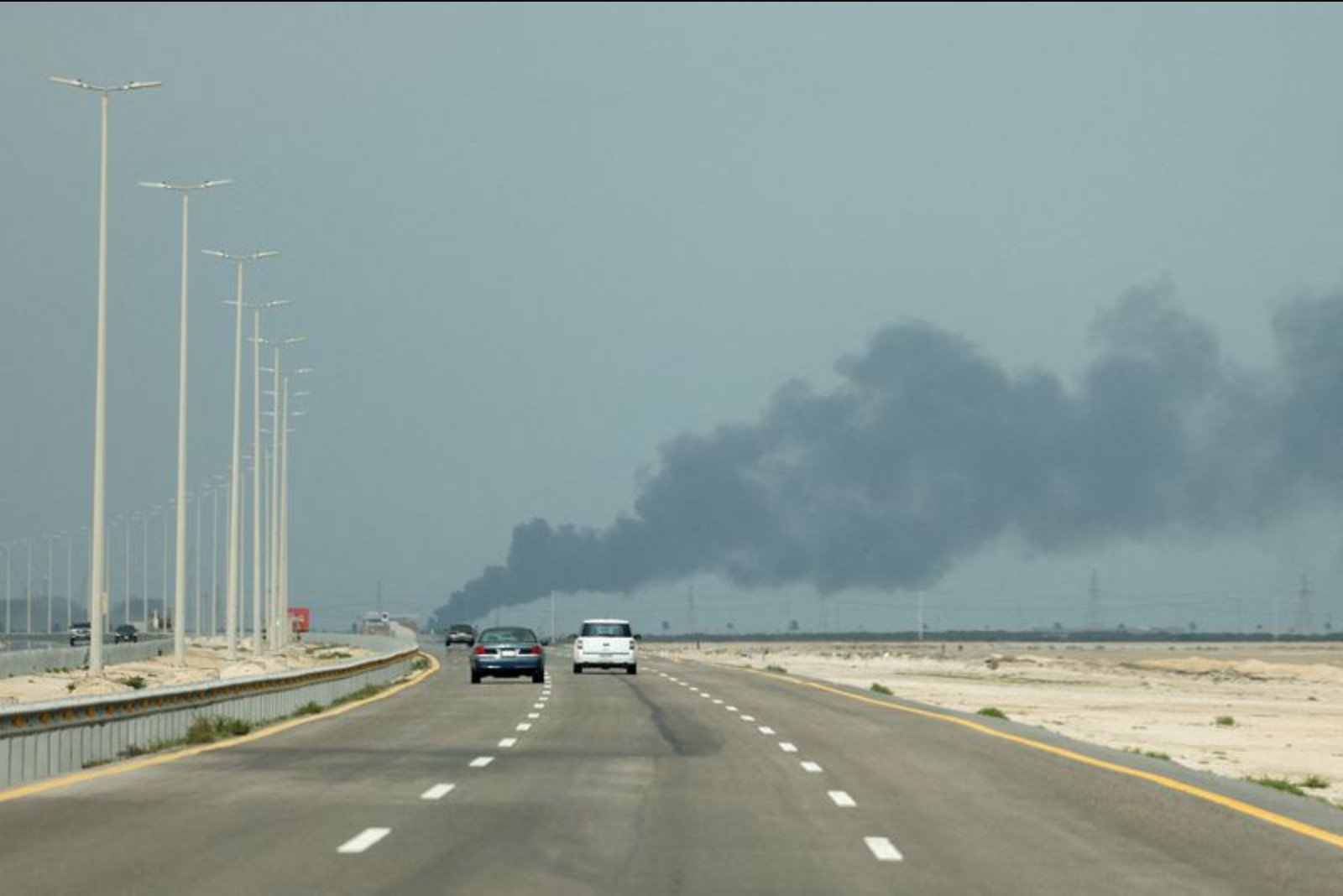
Energy infrastructure across the Middle East experienced widespread precautionary shutdowns after several days of strikes and counterstrikes, with operators halting production at multiple oil and gas sites and markets responding swiftly.
On Monday, Qatar suspended production of liquefied natural gas after an attack on an energy facility belonging to Qatar Energy by two Iranian drones, authorities said, and assessments of damage were ongoing. The pause in LNG output was one element of a broader wave of facility closures and export disruptions across the region.
In Saudi Arabia, state oil company Saudi Aramco closed its 550,000 barrels per day Ras Tanura refinery as a precaution following a drone strike. Ras Tanura sits within a Gulf coast energy complex that also functions as an important export terminal for Saudi crude oil, and the shutdown removed a substantial element of domestic refining capacity.
Iraqi Kurdistan saw most oil production suspended as operators halted flows from the region. In February, Iraqi Kurdistan exported 200,000 barrels per day via pipeline to Turkey's Ceyhan port. Firms including DNO, Gulf Keystone Petroleum, Dana Gas and HKN Energy stopped output at their fields as a precautionary measure, with reports indicating no damage to the facilities.
Offshore Israel, the government ordered Chevron to temporarily shut the Leviathan gas field, where Chevron is expanding capacity toward about 21 billion cubic metres a year under a $35 billion export arrangement with Egypt. Chevron, which also operates the Tamar gas field, said a spokesperson that its facilities were safe. Energean also took steps to halt production, shutting down its production vessel that serves smaller Israeli gas fields. The Israeli closures curtailed exports to Egypt.
Iran was also the scene of incidents: explosions were heard on Kharg Island on Saturday, the facility that processes 90% of Iran's crude exports. At the time of reports, the extent of any impact on those facilities remained unclear. Iran, which produces the equivalent of about 3.3 million barrels per day of crude plus 1.3 million barrels per day of condensate and other liquids, accounts for roughly 4.5% of global oil supplies.
The uncertainty and operational halts produced immediate market reactions. Oil prices rose by about 13%, climbing above $82 a barrel to levels not seen since January 2025, as shipping was pushed toward a near halt in the Strait of Hormuz, the chokepoint through which roughly one-fifth of global oil supply transits.
The concentration of disruptions - from LNG facilities in Qatar to refineries and export terminals in Saudi Arabia, suspended crude flows from Iraqi Kurdistan, and closures of Israeli offshore gas fields - highlights how military actions and retaliatory measures can swiftly affect multiple segments of the hydrocarbon supply chain, including production, refining and cross-border gas exports.
Market and logistical implications
- Crude oil and LNG markets face acute short-term supply uncertainty while facilities remain offline or are being assessed for damage.
- Shipping routes, particularly the Strait of Hormuz, are under stress, which affects tanker schedules and throughput for global crude movements.
- Downstream supply chains tied to exports - notably pipeline exports from Iraqi Kurdistan to Turkey and planned gas exports from Israel to Egypt - are disrupted, with potential knock-on effects for regional fuel and gas balances.
This account is based on operator statements and reported precautionary measures; where assessments of damage or operational impacts remain incomplete, authorities and companies were reported to be still evaluating conditions on site.