
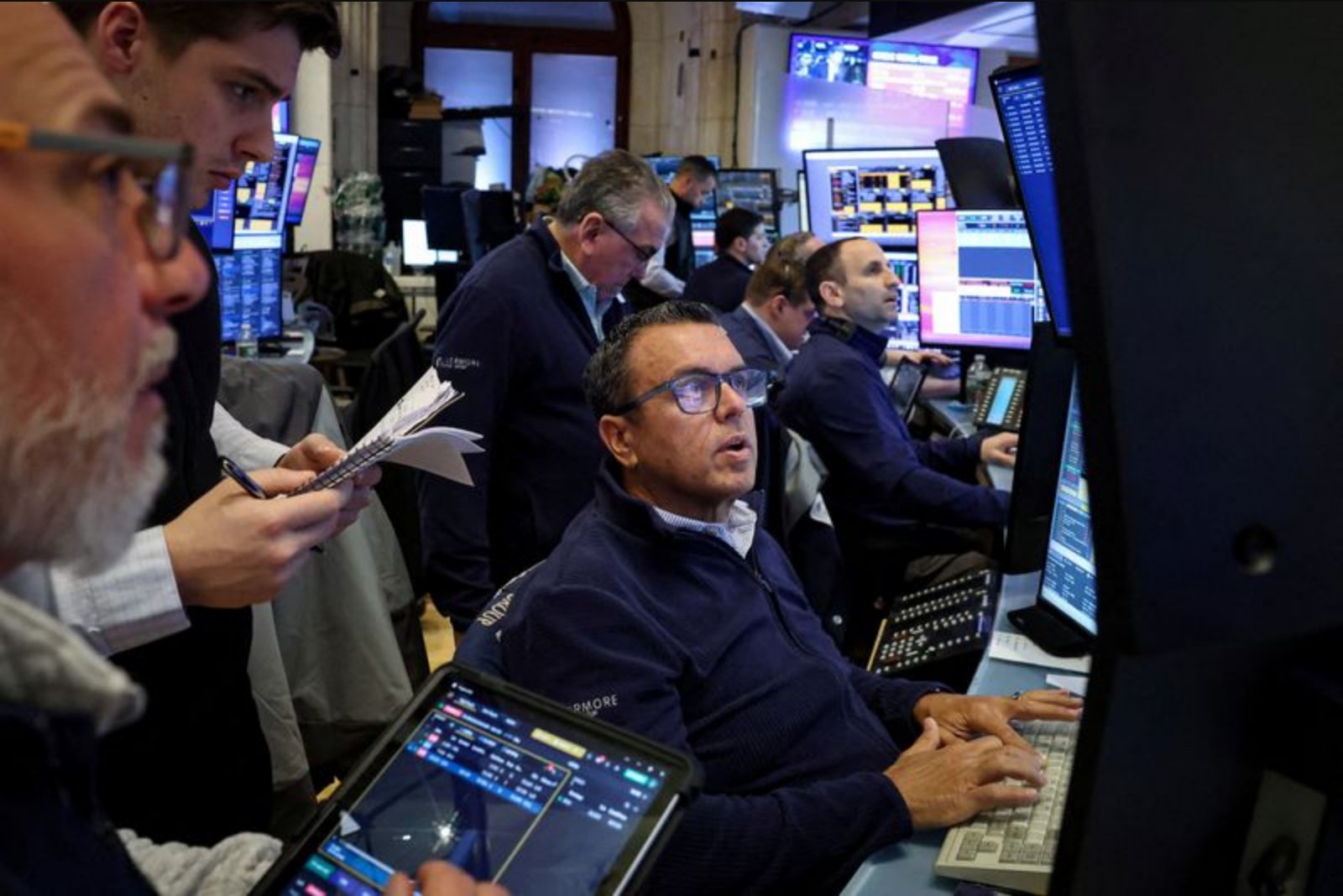
Markets around the world reacted strongly as hostilities in the Middle East intensified, with the prospect of a prolonged confrontation driving energy prices up and weighing on travel-related names and regional assets. Israeli strikes targeted Lebanon after attacks from Hezbollah, Iran launched missiles and drones at Israel and other targets including Gulf states and a British base in Cyprus, and U.S. commentary suggested the campaign could continue for several weeks. In an interview published Sunday with the Daily Mail, U.S. President Donald Trump said the military campaign against Iran could continue for the next four weeks.
The outbreak of violence since Saturday produced a range of pronounced market movements across commodities, equities, currencies and bonds. Below is a sector-by-sector look at the assets that registered some of the largest shifts.
Energy - crude, gas and energy equities
Crude oil prices surged as the fighting shut down oil and gas facilities in parts of the Middle East and disrupted shipping through the Strait of Hormuz - a chokepoint that handles about 20% of global oil flows. That supply threat helped push shares of major U.S. and European energy companies higher, with names such as Exxon Mobil and Shell among some of the top performers, mirroring a move that tracked a more than 8% jump in crude oil prices.
Analysts at Piper Sandler framed the outlook in terms of duration and volume: "We expect potential duration and physical volume impact of the military escalation will keep upward pressure on both commodity price and energy equities, reducing the risk of 2026 oil price weakness."
Natural gas also saw sharp price moves after Qatar halted liquefied natural gas production - a disruption with outsized implications given that Qatari LNG accounts for about 20% of global supply. U.S.-listed natural gas companies recorded gains: CNX Resources and Williams Companies both rose by more than 1%, and the United States Natural Gas Fund ETF added 3.7%.
Airlines and travel - immediate demand and fuel-cost pressures
Airlines from Europe and the United States sold off after key Middle Eastern hubs closed, directly curtailing route options and demand to the region. Stocks including Ryanair, IAG, American Airlines and United Airlines were among those that fell. The S&P 1500 Passenger Airlines index dipped almost 3%.
Higher crude generally translates into more expensive jet fuel, one of airlines' largest operating costs, and analysts at J.P. Morgan noted that conflicts historically produce an immediate drop in passenger demand in affected regions while also creating broader booking hesitancy across networks: "Prior conflicts have led to an immediate hit in passenger demand to the impacted region. This tends to be combined with an 'indirect' impact on demand and bookings confidence across broader airline networks."
The wider travel ecosystem moved lower as well: online travel agencies such as Booking Holdings and Expedia Group, hotel operators like Hyatt Hotels, and cruise companies including Carnival all recorded losses. Norwegian Cruise Line Holdings specifically warned of uncertainty around its fuel costs this year amid rising geopolitical tensions.
Defense contractors
Shares of large U.S. defense contractors climbed in early trading, with Northrop Grumman, General Dynamics, RTX and Lockheed Martin up between 1.1% and 3.7%. Jefferies analysts said the scale of the strikes has reinforced the case for higher U.S. defense spending and activity around key programs: "The strikes or at least the scope of the strikes reinforce the buildup of U.S. defense spending and key initiatives such as Golden Dome and the restocking and ramping of missiles and defensive interceptors." European defense equities also advanced, with gains for companies including the U.K.'s BAE Systems, Germany's Rheinmetall and Italy's Leonardo.
Shipping, tankers and freight
Disruptions to Hormuz and Suez shipping routes tightened capacity and pushed expectations of higher freight rates, boosting shares of shipping and tanker firms. European container and shipping majors Maersk and Hapag-Lloyd rallied 7.8% and 6.7%, respectively, while Nordic American Tankers rose by more than 3%. Oil tanker operators such as Teekay Tankers and International Seaways also advanced.
Safe havens - gold and the dollar
Investors sought refuge in traditional safe-haven assets. Gold climbed as risk appetite ebbed, and the U.S. dollar strengthened: the dollar index, which tracks the greenback against a basket of major currencies, gained 0.6%. The dollar appreciated against the Japanese yen, Swiss franc and the euro.
J.P. Morgan analysts noted that a sustained rise in energy prices typically supports the dollar while exerting pressure on currencies of economies that are heavy energy importers, calling out regions such as Central Eastern Europe as potentially vulnerable.
Middle East dollar bonds and regional equities
Long-dated international dollar-denominated debt from several Middle Eastern issuers, including Qatar, Oman and Saudi Arabia, fell sharply amid investor concerns about the conflict spreading. Stock exchanges in the region also recorded notable weakness: equity bourses in Qatar and Kuwait experienced steep declines. The wider risk-off tone extended to other emerging-market issuers, with dollar bonds issued by Egypt and Turkey among those that declined.
Investor takeaways
- Energy markets are at the center of the current shock, with both crude and natural gas responding to supply disruptions and route closures.
- Travel-related sectors face both direct demand hits and the secondary impact of rising fuel costs, while defense and shipping names are beneficiaries of near-term reallocation.
- Safe havens and the U.S. dollar rallied as investors sought relative stability amid heightened geopolitical risk.
Separately, market advertising and research tools prompted questions about exposure to specific shipping names - for example asking whether MAERSKb is an attractive buy right now - but readers should interpret such prompts in the context of the broader market moves and the multiple sectoral shifts outlined above.