
Conflict across the Middle East has interrupted established transport networks for critical pharmaceuticals, executives in the drug and logistics industries said, creating potential shortages for cancer therapies and other refrigerated medicines that cannot easily tolerate long transit times.
Air transit hubs that normally link Europe, Asia and Africa have been rendered unusable after a cycle of strikes and counterstrikes in the region. The closures and knock-on effects on shipping lanes have compelled companies that move temperature-sensitive drugs to seek alternative entry points and to rely on overland trucking from airports such as Jeddah and Riyadh in Saudi Arabia, as well as from Istanbul and Oman, industry officials said.
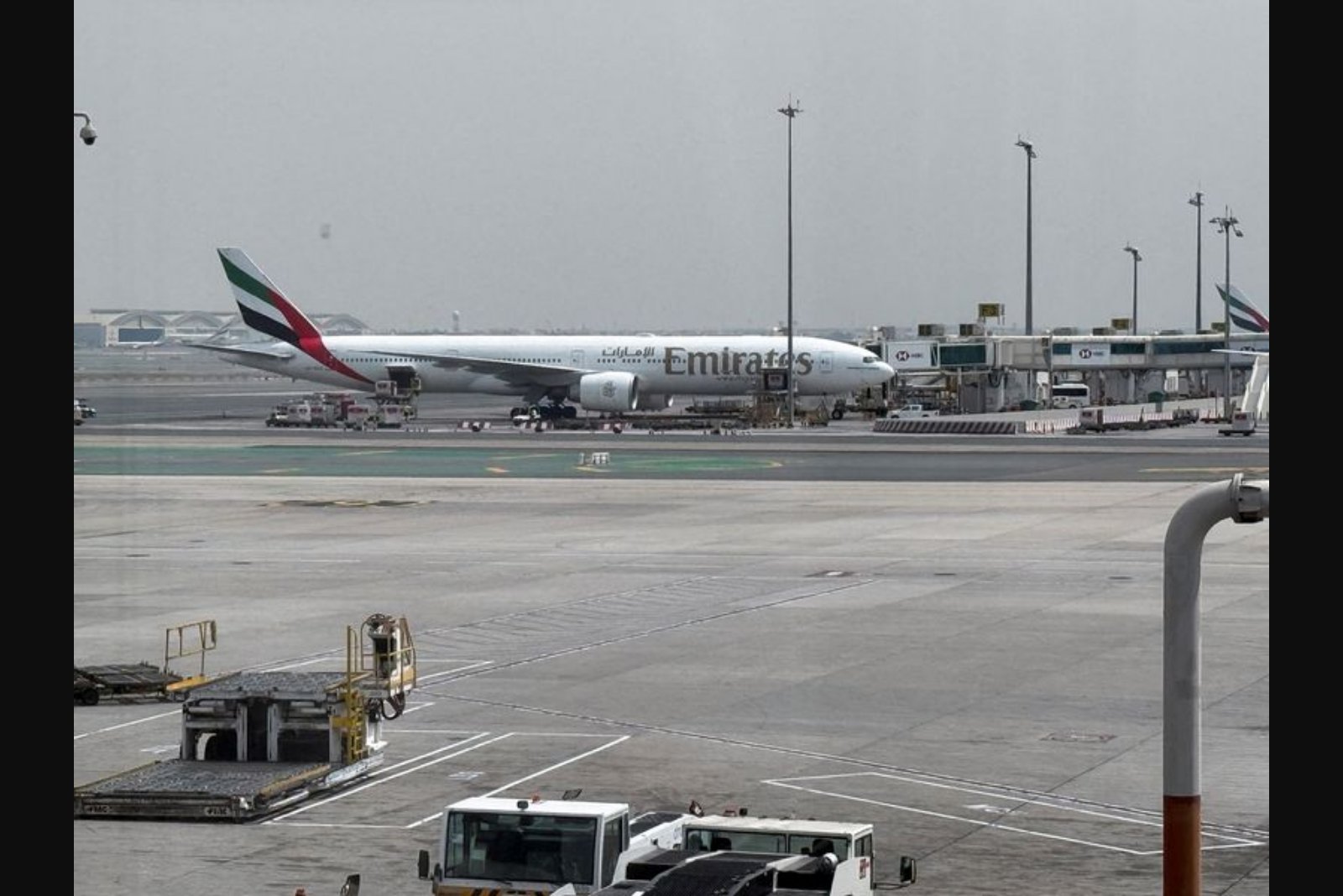
Major Gulf airports including Dubai, Abu Dhabi and Doha have been closed in the wake of Iranian strikes responding to prior U.S. and Israeli actions, cutting off primary cargo corridors used by airlines and logistics firms to carry medicines that must be maintained within tight temperature ranges to stay effective. Airlines and carriers commonly handling this freight include Emirates, Etihad and logistics providers such as DHL, according to executives familiar with the routes.
Industry data cited by Wouter Dewulf, a professor at the Antwerp Management School, indicates that more than a fifth of global air cargo - the principal route for life-saving drugs and vaccines - is exposed to disruption from events in the Middle East. That exposure underscores why disruptions of air links in the region carry outsize consequences for the movement of critical healthcare supplies.
Executives described a mix of immediate mitigation steps, but cautioned that alternatives are neither simple nor instant. One industry executive said that establishing new "cold-chain corridors" - dedicated temperature-controlled routes for sensitive medicines - cannot be accomplished overnight and are not always available. Another company official said internal task forces were prioritising shipments deemed patient-critical, including cancer treatments, and warned that some temperature-controlled cargo could miss connections if proper handling and storage are not secured.
A medical device company executive described a triage process for shipments that begins by mapping consignments already in transit or ready to depart, then determining which pallets need diversion and which new consignments must be planned. Some Europe-Asia cargo normally routed through Dubai or Doha is being sent instead via China or Singapore, the executive added. Several people quoted on these operational changes spoke on condition of anonymity because they were discussing internal logistics decisions.
Sea freight is largely unsuitable for urgent, temperature-sensitive medicines because of longer voyage times and the added complication of Iran's closure of the Strait of Hormuz. "If you have an urgent surgery with a patient waiting for treatment, you have to choose the faster mode of transport," one executive said, explaining why air and land options are prioritized for time-critical therapies.
Prashant Yadav, senior fellow for global health at the Council on Foreign Relations, provided a snapshot of vulnerability in pharmaceutical inventories, noting that stocks of short shelf-life and temperature-sensitive medicines are typically around three months. He highlighted cancer drugs, and monoclonal antibodies in particular, as among the highest-risk categories. He said delays in oncology drug deliveries can force patients to restart therapy or allow disease progression.
Yadav said the situation had already prompted warnings from some customers that supplies could fall short within four to six weeks if disruptions continue. Industry interest in the problem was reflected in a recent webinar organised by Pharma.Aero, a life sciences logistics group, which was attended by more than 100 participants from the pharmaceutical and logistics sectors to discuss the crisis's implications for supply chains and transport.
Some logistics providers said they had been able to keep medicines moving for now. Dorothee Becher, who oversees air logistics for healthcare at freight company Kuehne+Nagel, said carriers were flying into Jeddah, Riyadh and Oman and then completing delivery by road. "I do not see any risk yet that the inventory would go dramatically down," she said, while noting that healthcare cargo was being treated as a priority.
Still, moving cold-chain freight has been resource-intensive. Doaa Fathallah, chief operating officer at biopharma logistics company Marken, said cold-chain shipments were getting through but only with around-the-clock efforts to reroute flights as airspace restrictions shifted. Those reroutings increase transit times and fuel usage, driving higher transportation costs and greater use of dry ice and other temperature control materials to keep medicines within required ranges.
Executives warned the pressure on supply chains could broaden beyond finished medicines to components used in drug packaging and administration. Shortages of vial stoppers, intravenous bag plastics and other packaging items could indirectly impair the availability of therapies. "It’s not always a shortage of the medicine itself," said David Weeks, a supply-chain analyst at Moody’s. "In some cases, it’s the little stopper on the vial where the dosage is extracted." The same pressure that affects final drug shipments may therefore affect the ancillary products and materials essential to get doses to patients.
The industry response has included prioritisation of patient-critical shipments, constant mapping of shipments in transit, and rerouting via alternative airports in the region and in Asia. But executives emphasised the precarious nature of the situation: while current inventories and intensified logistics efforts have so far prevented widespread shortfalls, sustained disruption would raise the risk of hospitals and clinics in the Gulf and parts of Asia running low on vital medicines.
Amid the operational challenges, commercial considerations are also shifting. Longer transit times and higher fuel consumption translate into higher transportation fees, adding to the cost burden on manufacturers and distributors handling temperature-sensitive products. These cost pressures, combined with the complexity of coordinating cross-border trucking and airlift alternatives, underscore how regional instability can propagate through the global pharmaceuticals supply chain.
Alongside the industry and logistics accounts, the article includes a promotional note on investment tools. It states that AI-driven portfolio services have produced returns in the current year, noting that two out of three global portfolios are ahead of their benchmarks with the majority in positive territory, and pointing to a flagship strategy that reportedly outperformed the S&P 500 in an 18-month period. The note highlights specific winners within that strategy, although it is distinct from the supply-chain analysis detailed above.
Takeaway - The ongoing conflict in the Middle East has closed key air hubs and constrained sea lanes, forcing reroutes and overland trucking that complicate delivery of temperature-sensitive medicines to the Gulf. While the industry is managing for now, executives warn that short shelf-life cancer drugs are particularly vulnerable and could face shortages within weeks if the situation persists.