
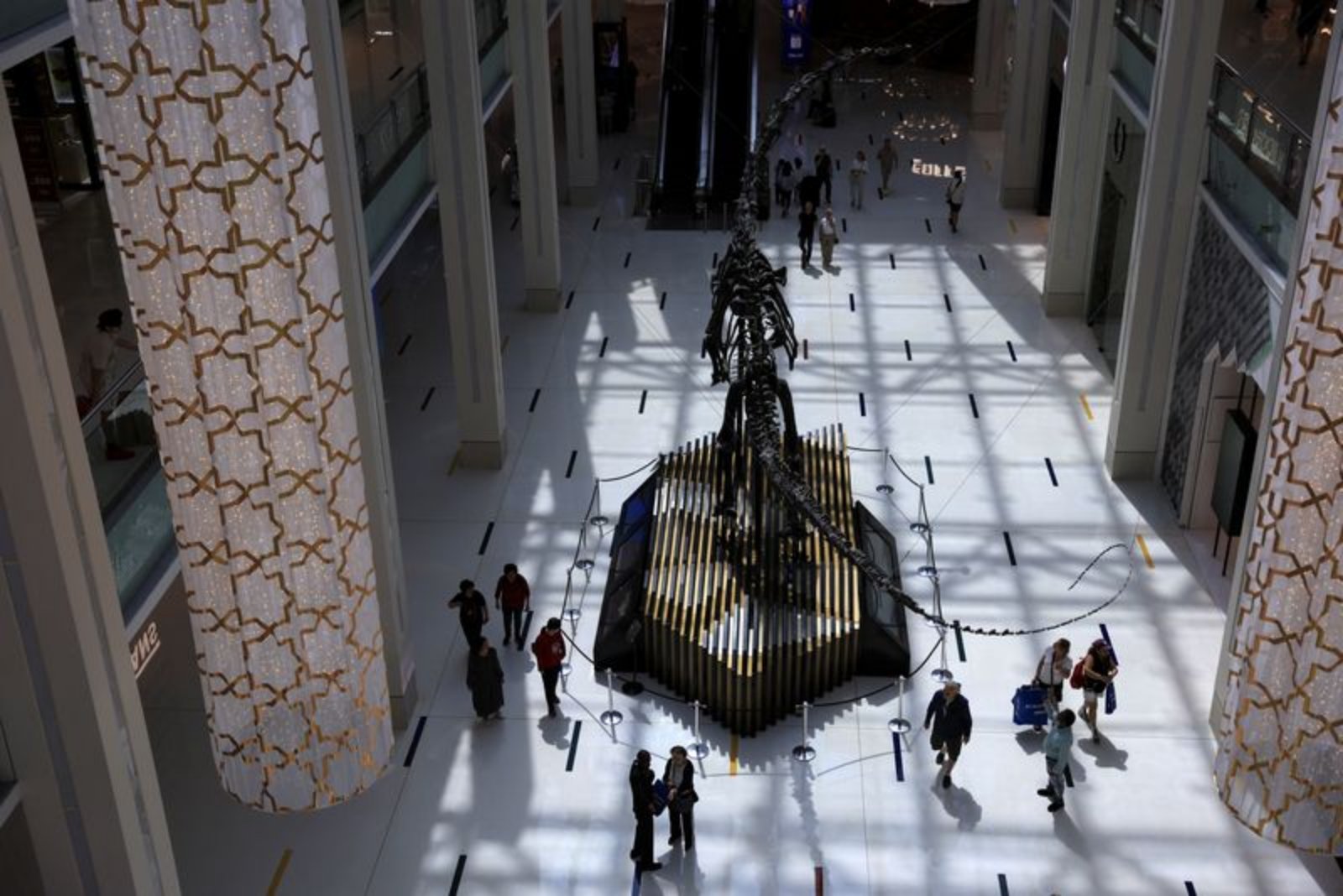
The recent escalation of conflict in the Middle East has intensified pressure on luxury goods firms already grappling with weak demand, with some names seen as particularly exposed to the disruption in regional travel and retail activity.
Israeli and U.S. strikes on Iran and Iranian countermeasures prompted closures of airspace across parts of the region and forced the temporary shutdown of major airports, including Dubai and Doha. The operational impact has been tangible: numerous stores in Dubai and other principal Middle Eastern shopping centres were closed or functioning with skeletal staff as of Monday.
Size of the Middle East market
Industry estimates from Morgan Stanley and Bank of America place the Middle East's share of global luxury sales at about 5% to 6%. A significant portion of that spending is made by tourists, with demand coming notably from visitors originating in Russia, Saudi Arabia, China and India. Within the region, the United Arab Emirates is estimated to account for roughly half of luxury revenues, with Dubai serving as the main concentration point for transactions.
Why the disruption matters
For luxury companies seeking recovery after a two-year slowdown, the Middle East had been one of the brighter spots last year. Investors were looking to the region to help offset continuing weakness in China and growing concerns over U.S. tariff exposure. The current crisis therefore threatens a potential source of revenue growth at a sensitive moment.
Analysts at Morgan Stanley specifically warned the conflict could also disrupt the so-called Ramadan rush - a period when affluent Gulf residents often travel to Europe and other destinations to shop during the month of Ramadan. Any curtailment of that travel would remove an anticipated uplift in demand.
Which companies are most affected
Among luxury groups, Richemont - the owner of Cartier - and Italy's Zegna are cited as the most exposed to the Middle East, each deriving about 9% of their total sales from the region. By contrast, Burberry is identified as among the least affected by the current turmoil.
Market reaction
Sentiment toward the sector cooled sharply: the STOXX Europe Luxury 10 Index dropped roughly 9% since Monday, a two-day decline described as the largest since the tariff-related market shock in April. That move underscores how quickly geopolitical events can translate into investor concern for travel- and tourism-linked retail sales.
As the situation develops, luxury firms and investors will be watching how long airspace restrictions and airport closures persist, and whether disruption to tourist flows erodes the revenue streams that have been supporting the sector's recovery hopes.