
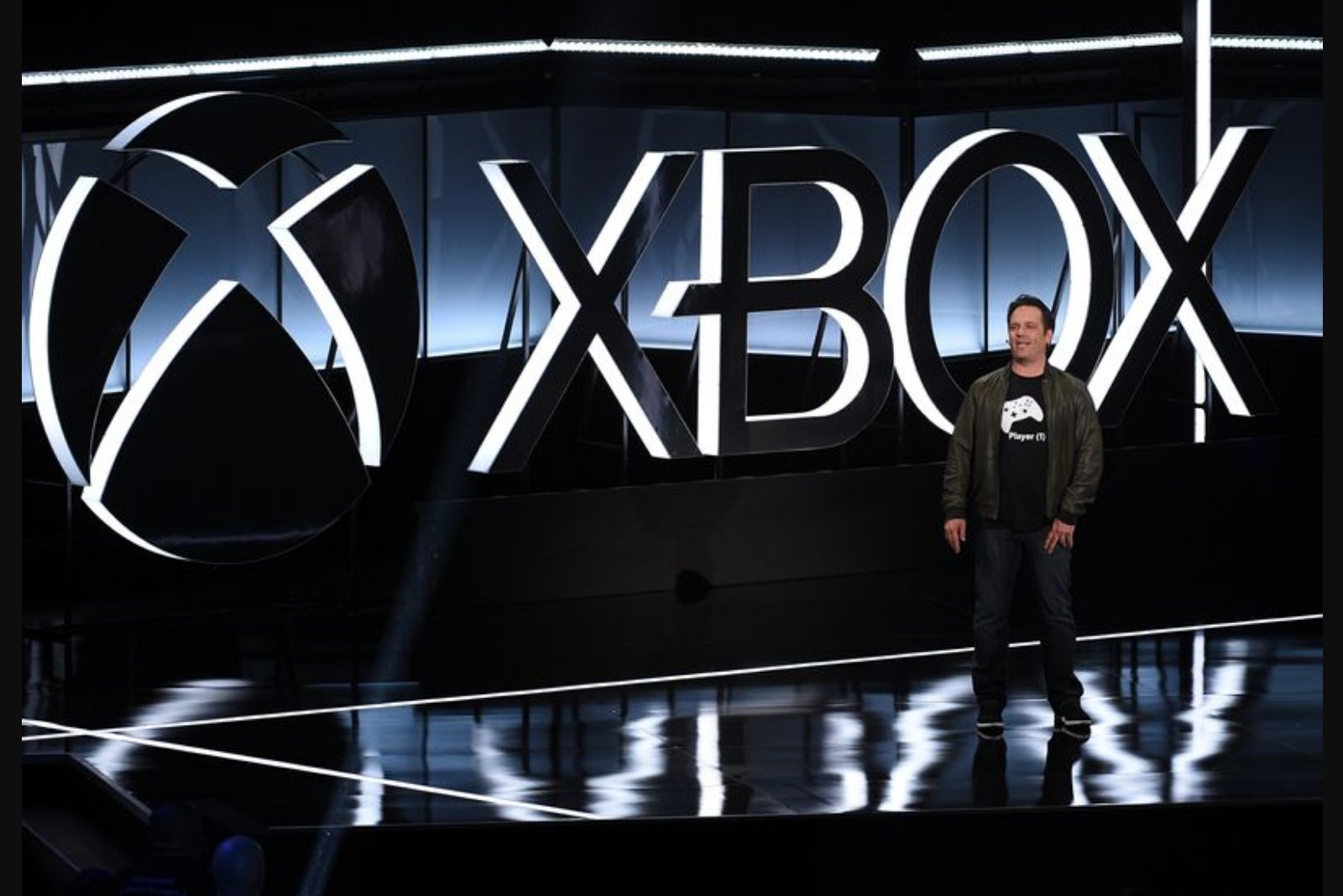
Microsoft has confirmed a leadership overhaul in its gaming group, with longtime executive Phil Spencer retiring after 38 years at the company and Asha Sharma taking over as executive vice president and CEO of Microsoft Gaming.
Sharma joins the top role from within Microsoft, where she previously led product development for AI models and services. In her initial remarks she signaled a renewed emphasis on the Xbox console, saying she intends to "recommit to our core Xbox fans and players."
The gaming division has been navigating several headwinds. Microsoft pointed to tariff-related cost pressures that have squeezed margins, a competitive landscape led in part by Sony's PlayStation franchise, and signs of cautious consumer spending that prompted price increases on Xbox hardware. In its most recent quarter disclosure, Microsoft reported that gaming revenue declined by about 9.5% in the December quarter and said it recorded unspecified impairment charges within the business.
Microsoft's footprint in the video-game industry expanded significantly after it closed its $69 billion acquisition of Activision Blizzard in 2023. That deal followed extensive regulatory review and added to the company's scale in games and IP, but the division continues to contend with questions about console market share and the role of exclusive titles in competing with rivals.
Phil Spencer will remain involved during a transition period, serving in an advisory capacity through the summer to facilitate handover to Sharma. Microsoft CEO Satya Nadella described the change as part of planned succession discussions, saying that Spencer made the decision to retire last year and that leadership planning has been underway since then.
In a separate personnel move, the company said Xbox president and chief operating officer Sarah Bond is leaving Microsoft to "begin a new chapter." The gaming unit has also shuffled content leadership, naming Matt Booty as executive vice president and chief content officer. Booty, who had been president of game content and studios at Microsoft, will report to Sharma, according to Microsoft.
Sharma's background includes roles at Meta and at Instacart prior to her time leading AI product efforts at Microsoft. The company framed the transition as timely amid changes in the technologies that underpin gaming, including a growing role for AI in game development.
"Microsoft’s leadership transition is appropriate as it comes at a time when the technology underlying gaming is shifting. As AI becomes a bigger element in game development, Microsoft needs a new generation of leaders to manage through this transition," said Gil Luria, an analyst at D.A. Davidson.
The personnel moves and the unit's recent financial performance raise questions for investors and industry observers about near-term strategy for Xbox hardware, exclusive content, and integration of newly acquired assets. Microsoft did not disclose the size of impairment charges or provide additional financial details in the announcement.
What this means
- Microsoft has appointed an AI-product-focused insider to lead its gaming division while its outgoing head will remain as an adviser during a transition period.
- The gaming unit is operating under cost pressure from tariffs, competitive challenges from rivals like Sony's PlayStation, and weaker consumer spending, which contributed to a reported decline in quarterly revenue of roughly 9.5% and to undisclosed impairment charges.
- Leadership and organizational changes include the departure of Xbox COO Sarah Bond and Matt Booty taking on the chief content officer role reporting to the new gaming CEO.
Additional details and limits of the announcement
- The company confirmed completion of the Activision Blizzard acquisition at $69 billion in 2023 but did not attach further financial metrics to the gaming division's reported impairment charges.
- Microsoft has not provided detailed timing beyond Spencer's advisory commitment through the summer, nor has it quantified the impact of tariff-driven cost changes on margins.