
Stock Markets February 18, 2026

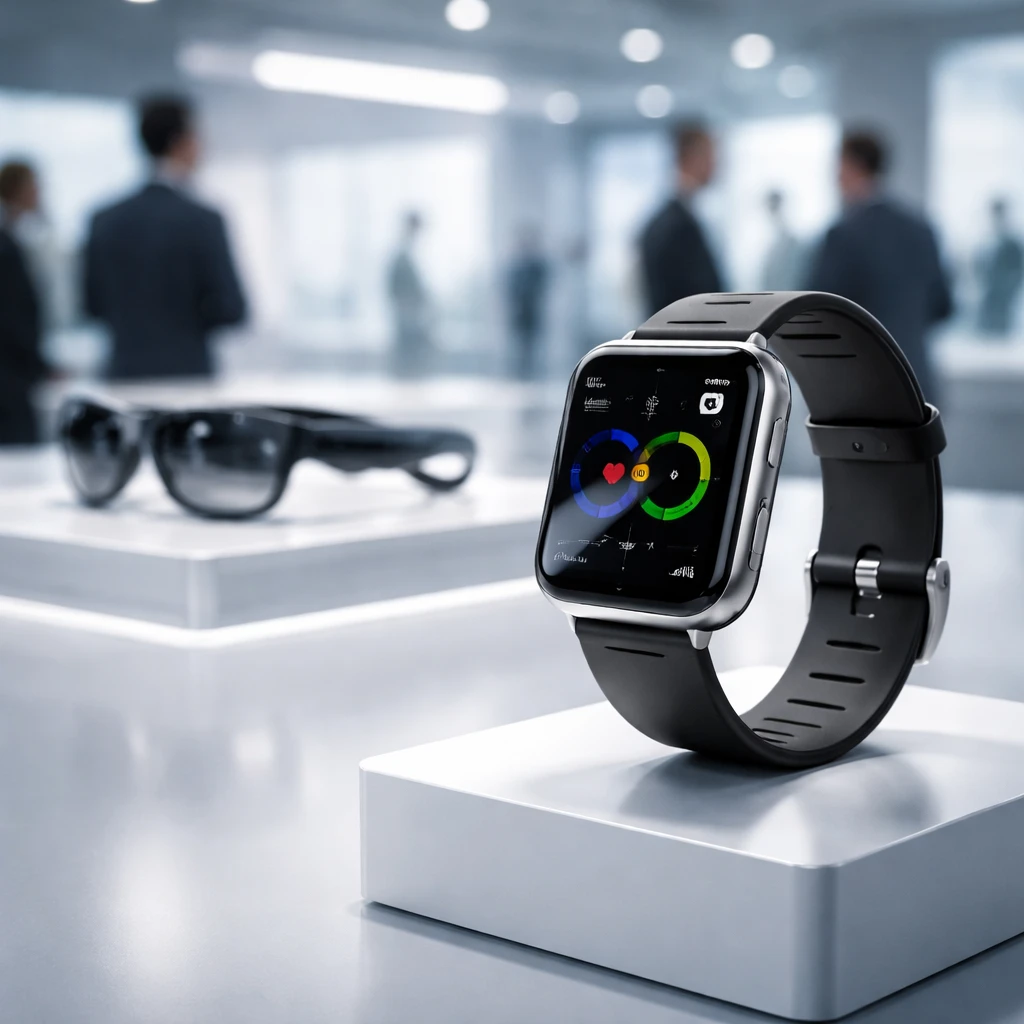
Meta Restarts Smartwatch Project, Plans Release Later This Year

Company revives wearable efforts as demand for AI-enabled devices grows; timing may align with new AR glasses

By Hana Yamamoto META
Meta Restarts Smartwatch Project, Plans Release Later This Year
META

Meta Platforms has restarted development of a branded smartwatch and is planning a release later this year, according to people familiar with the matter. The device could arrive shortly before a new pair of augmented reality glasses. The move follows an earlier push into wearables, a cancellation of smartwatch plans amid cost reductions in 2022, and a recent surge in shipments of Meta-branded AI smartglasses made in partnership with EssilorLuxottica.

Key Points

  • Meta has restarted development of its own smartwatch and plans to release it later this year; the device could arrive just ahead of new augmented reality glasses.
  • The company first considered a smartwatch in 2021 but shelved the program in 2022 amid cost-cutting, showing management willingness to pause hardware projects for expense control.
  • Meta’s AI smartglasses have seen strong adoption, with shipments climbing to nearly 6 million units in 2025; those glasses are produced in partnership with EssilorLuxottica, signaling an active wearable ecosystem and manufacturing partnership.

Meta Platforms Inc has resumed work on a smartwatch project and expects to bring the product to market later this year, according to people close to the effort. Company planners are considering a launch that may precede a forthcoming pair of augmented reality glasses.

The smartwatch concept is not new inside the company. Meta examined the idea as early as 2021 but halted the program in 2022 as part of a broader round of cost-cutting measures. That prior cancellation demonstrates the company has previously paused hardware ambitions when management prioritized expense reductions.

The renewed commitment arrives amid a broader rebound in wearable technology, particularly devices that pair on-device sensors with artificial intelligence features. This trend appears to be informing Meta’s product roadmap and has been cited as a motivating factor for returning to the smartwatch concept.

Meta’s efforts in adjacent wearable categories have shown strong traction. Its AI smartglasses have been characterized as a breakout product over the most recent two-year period, with shipments rising to nearly 6 million units in 2025. Those glasses are manufactured in partnership with EssilorLuxottica, the company that makes the Ray-Ban line.

Timing appears to be a coordination consideration for Meta: the smartwatch could be positioned to arrive just before the next generation of augmented reality eyewear. How product sequencing and marketing will be handled has not been disclosed.

For observers tracking hardware strategy at large technology platforms, the restart of the smartwatch program highlights several ongoing themes: continued interest in expanding wearable ecosystems, the interplay between on-device AI and form-factor innovation, and the influence of management discipline on capital allocation for consumer hardware.


Contextual note - Meta’s prior pause in 2022 and the subsequent success of its AI smartglasses are the available signals about how the company has adjusted its wearable ambitions; further details about specifications, pricing, or distribution for the smartwatch were not provided.

Risks

  • Program discontinuation risk - Meta previously cancelled smartwatch plans in 2022 as part of cost-cutting, indicating the project could be vulnerable to future management decisions or budget constraints. This affects the consumer electronics and hardware sectors.
  • Timing and coordination uncertainty - The smartwatch is being considered for release just before a set of augmented reality glasses, creating execution and marketing timing risks for the wearables and AR markets.
  • Market reception and competitive dynamics - Although wearables are resurgent when paired with AI, actual consumer demand and competitive response remain uncertain based on the information provided. This uncertainty impacts wearable device manufacturers and related supply chains.

More from Stock Markets

Raymond James Says JFrog Sell-Off Overstates Threat from Anthropic’s New Security Tool Feb 20, 2026 FERC Clears Path for Blackstone-TXNM Energy Deal, Removing Major Federal Hurdle Feb 20, 2026 Vanda Gains FDA Nod for BYSANTI, Shares Spike as Company Secures Second Approval in Weeks Feb 20, 2026 Supreme Court Reviews Broad Array of Trump-Era Policies Across Trade, Immigration and Federal Workforce Feb 20, 2026 UBS Lifts Corning Price Target to $160 Citing Surge in AI Data Center Fiber Demand Feb 20, 2026