
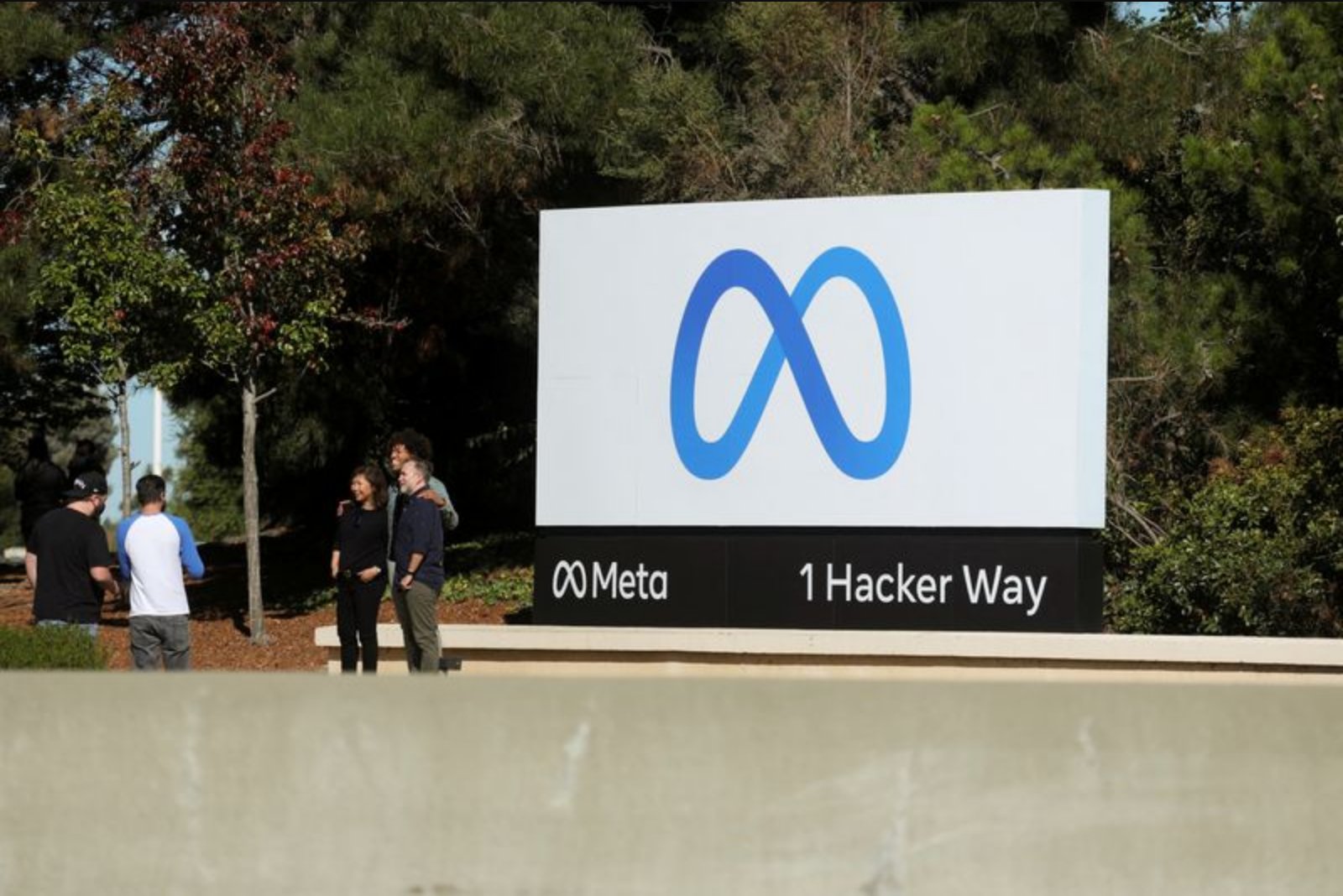
Meta is laying the groundwork for a broad reduction in its workforce that could reach 20% or more, according to three people with knowledge of the discussions. The company has not fixed a timeline or finalized the scale of the cuts, and the individuals spoke on condition of anonymity because they were not authorized to discuss internal plans.
Senior executives have recently informed other high-level leaders about the contemplated reductions and directed them to begin planning how to trim staff, two of the people said. Meta did not immediately issue a comment on the reported plans.
Should Meta adopt a 20% reduction, it would represent the company's most sweeping workforce contraction since its late-2022 and early-2023 restructuring that the company described at the time as a "year of efficiency." As of December 31, the firm reported employing nearly 79,000 people. In November 2022, Meta cut roughly 11,000 roles - about 13% of its workforce at the time - and then eliminated another roughly 10,000 positions about four months later.
Executives' planning for further cuts coincides with a major strategic push into generative artificial intelligence that has entailed large financial commitments. CEO Mark Zuckerberg has urged the company to compete more aggressively in generative AI, and Meta has offered very large compensation packages - some reportedly worth hundreds of millions of dollars over four years - to attract top AI researchers into a new superintelligence team.
At the same time, the company has laid out an ambitious capital plan for its infrastructure: a stated intention to invest $600 billion to build data centers by 2028. Parallel moves include the acquisition this week of Moltbook, described as a social networking platform built for AI agents, and a reported spending commitment of at least $2 billion to acquire the Chinese AI startup Manus.
Zuckerberg has framed these investments as eventually driving efficiency gains within the organization, saying in January he was seeing "projects that used to require big teams now be accomplished by a single very talented person." That line of reasoning connects directly to the internal planning for potential staff reductions.
Meta's maneuvering is part of a broader pattern across major U.S. technology companies this year, where executives have cited improvements in AI capabilities when explaining workforce changes. In January, Amazon confirmed plans to eliminate about 16,000 jobs, representing nearly 10% of its workforce. Last month, the fintech company Block cut nearly half of its staff, with CEO Jack Dorsey explicitly pointing to AI tools and their increasing ability to enable companies to do more with smaller teams.
The push into AI at Meta has not been without setbacks. Work on the company's Llama 4 models last year encountered criticism over benchmarking results for early versions, and the company abandoned a planned release of the largest version of that series, known internally as Behemoth, which had been slated for a summer launch. Meta's superintelligence team has since been developing a new model called Avocado; however, that model's performance has reportedly fallen short of expectations so far.
The combination of heavy near-term spending on AI talent and infrastructure, ongoing model development challenges, and executive expectations for AI-driven productivity gains frames the internal rationale for the contemplated workforce reductions. The company is balancing the need to continue investing in a long-term AI strategy against pressures to demonstrate greater efficiency and return on those investments.
Key details remain unresolved: the exact size of any cuts, their timing, and which business units would be most affected are all still being determined by Meta's leadership, according to the people familiar with the planning. Until decisions are finalized and announced, the company's workforce and investors will be left to monitor how the stated AI strategy and the prospect of large-scale staff reductions unfold together.