
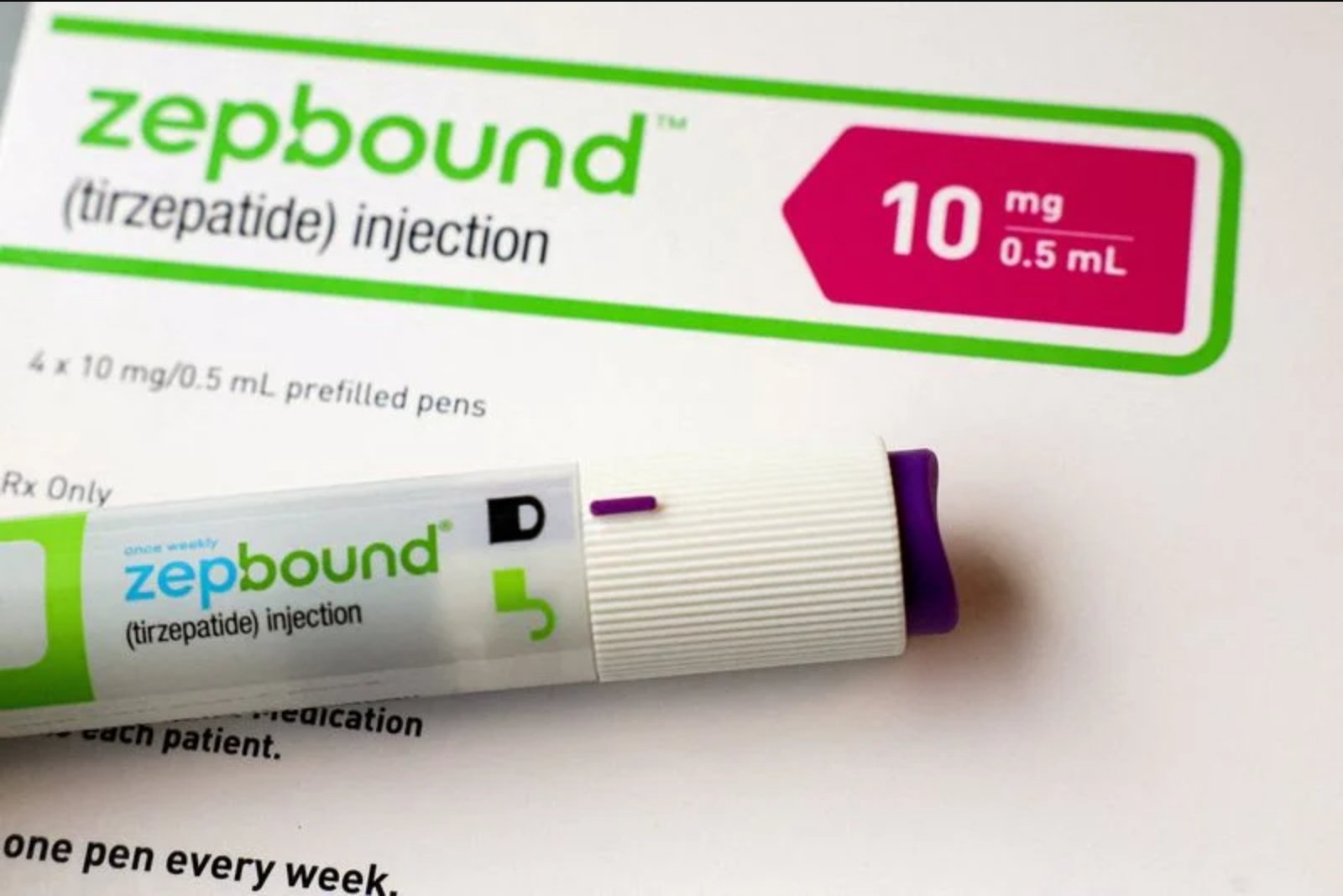
The U.S. Centers for Medicare & Medicaid Services (CMS) launched an 18-month trial that, beginning Wednesday, allows some people on Medicare to obtain GLP-1 weight-loss medications for a $50 monthly copay. For the first time under this program, Novo Nordisk’s Wegovy and Eli Lilly’s Foundayo and Zepbound are being offered specifically as treatments for obesity, rather than solely when prescribed for related conditions such as cardiovascular disease or severe fatty liver disease.
Medicare has previously paid for the drugs only when they were prescribed for co-existing conditions. The new pilot creates three separate pathways by which some Medicare beneficiaries may qualify for coverage, and a U.S. official recently estimated that eligible patients are in the single-digit millions. Wall Street analysts say the program could translate into billions of dollars in revenue for the manufacturers.
For patients who have struggled with the price of these medicines, the new copay represents a dramatic shift from recent years of heavy out-of-pocket costs. Still, clinicians and pharmacists who spoke with reporters warned that the process of obtaining coverage under the Medicare pilot may be slow and complicated, and several emphasized that continuity of care - including ongoing follow-up, nutrition planning and exercise - will be particularly critical for older adults.
Clinical perspective and patient reaction
Some clinicians framed the CMS decision as long overdue recognition of obesity as a medical condition. "This is a big win. For decades, medicine has failed to recognize obesity as a disease," said Dr. Christina Nguyen of weight-loss clinic Knownwell in Atlanta. She added that even with program restrictions, many patients will be offered these medications for the first time.
Patients interviewed said they have been waiting for access. Katie Smith, 71, a retired teacher in Manassas, Virginia, said her doctor prescribed a GLP-1 but she could not afford the price quoted by her pharmacy: "$1,298.99. Medicare won’t cover it, because I’m not diabetic or have sleep apnea." Smith, who has limited mobility following a spinal cord injury, said she has tried diet and exercise without success and would like the chance to try a GLP-1.
Sandi Henderson, 77, of Oxnard, California, previously underwent lap-band surgery and now relies on a compounded GLP-1 because she cannot afford branded versions. Branded drugs can cost between $149 and $399 a month in cash through company channels, and often more at retail pharmacies, she said. "I’m thrilled. The ability to have this drug accessible to people who haven’t been able to afford it - just wow, it brings tears to my eyes," Henderson said. She noted that the savings could be redirected to other health needs.
Demand estimates and enrollment expectations
Estimates of potential eligibility vary. Executives from Eli Lilly and Novo Nordisk have cited figures as high as 20 million people, though the health research organization KFF this week estimated nearly 4 million would qualify based on 2023 data. CMS declined to provide specific enrollment expectations, but Medicare Director Chris Klomp has put eligibility in the single-digit millions.
The interest among patients is already apparent. Yale Medicine obesity specialist Dr. Jorge Moreno said some patients have postponed appointments until after the pilot begins in July, and that he receives frequent messages from people eager to enroll. Nguyen at Knownwell said her clinic has added clinicians and prepared patients for a potentially multi-week sign-up process while pre-authorizations are secured.
Operational challenges at pharmacies and clinician workflows
Two pharmacy trade organizations told reporters they expect implementation snags because the program starts mid-year with limited lead time for pharmacists to learn details and accommodate prior-authorization requirements. Pharmacy groups, along with a third trade association, predicted that many pharmacies would keep limited inventories of the costly GLP-1 medicines, a choice that could increase wait times for patients.
Those operational realities, paired with the need for clinician prior authorization, led some practices to warn that sign-up could take "a couple of weeks or more." The added administrative burden and the high cost of stocking these medications may shape how quickly beneficiaries can receive their first doses.
Clinical concerns and program temporariness
Experts urged that GLP-1 therapy for older adults be considered part of a comprehensive obesity-care plan rather than as a stand-alone intervention. "This is an important access development, but older adults should approach GLP-1 therapy as part of a comprehensive obesity-care plan, not as a stand-alone medication," said Dr. John Batsis, a geriatric specialist at the University of North Carolina, who stressed that clinicians should pay attention to what type of weight is lost.
Among the clinical concerns is the potential loss of muscle mass with GLP-1 treatment. Physicians also worry about the implications if weight is regained after stopping therapy - whether regained weight would be predominantly fat or muscle. Those questions complicate assessments of long-term benefit for older adults.
Another major uncertainty is the temporary status of the pilot. Dr. Elbert Huang, a primary care physician and director at the University of Chicago’s Center for Chronic Disease Research and Policy, highlighted the time-limited nature of the program as a central risk: if the trial is not extended, patients who begin therapy during the 18-month window will face uncertainty about access after 2027. "To me, the big scientific uncertainty is how long does one need to stay on the drugs to reap the benefits of the weight loss?" Huang said. He asked what would happen to patients enrolled in a program that is only in place temporarily.
Market implications
Analysts have pointed out that the pilot could translate into substantial revenue for the manufacturers if enrollment reaches the high-end estimates. At the same time, insurers and other payers have expressed reservations about wider coverage, and it remains unclear how payers will respond if the trial demonstrates strong take-up but uncertain long-term outcomes.
For pharmacies and clinician practices, the near-term picture includes administrative and inventory challenges as they adapt to prior-authorization procedures and manage limited supplies of expensive treatments. For patients, especially older adults with mobility or metabolic limitations, the pilot offers newfound access - but also raises questions about continuity of care, adequate follow-up and the implications of a program that may conclude after 2027.
Reporting for this piece incorporated interviews with clinicians, pharmacists and patients, and reflects statements from health officials and industry executives as described above.