
Maritime war-risk insurance prices have surged as the Gulf conflict broadened following Saturday’s Israeli-U.S. air strikes against Tehran, a development that has effectively frozen traffic through the Strait of Hormuz and sharply raised the cost of moving oil and other commodities through the region.
Iran on Monday declared it would fire on any ship attempting to pass the Strait, and at least nine vessels have suffered damage in the area since the conflict began. The concentration of vessels and high-value tankers in the Persian/Arabian Gulf has focused underwriters' attention on potential large, clustered losses should violence persist.
War risk insurance permits ship owners to recover losses for damage to their vessels or cargo resulting from acts of conflict or terrorism. While many policies are written on an annual basis, owners can also buy single-voyage coverage for transits through particularly hazardous waters, including declared war zones. The recent escalation has pushed premiums higher for both hull war policies and cargo war risk cover.
Stephen Rudman, head of marine, Asia at global insurance broker Aon, said the hull war market has been the earliest to move because of the threat of substantial, concentrated losses if multiple vessels were struck in the same area, adding that if the circumstances escalate materially, further rate correction is likely. "Additional premiums for vessels transiting high-risk waters are rising sharply and may continue to fluctuate in the short term," he said. Cargo war risk premium rates are also climbing, with quotes being reviewed voyage by voyage, particularly for energy and bulk commodity trades.
Analysts at Jefferies estimated on Thursday that potential industry losses from the at least seven vessels reported damaged as of March 5 could reach up to $1.75 billion. The brokerage translated how that could affect premiums for tankers: with most tankers valued between $200 million and $300 million, a new insurance rate of 3% would imply a hull war risk premium of about $7.5 million, compared with roughly 0.25% or $625,000 before the conflict began.
Angus Blayney, marine divisional director at Gallagher, said marine insurers in the London market are still offering coverage but that rates were rising, noting that costs will vary based on vessel type, cargo and routing.
The geography of the risk compound the pricing pressure. Data from analytics firm Vortexa show that more than 20 million barrels of crude, condensate and fuels passed through the Strait of Hormuz daily on average last year. About one-fifth of the oil the world consumes moves through that narrow corridor, making it a critical shipping chokepoint for the global energy supply.
Sheila Cameron, CEO of Lloyd’s Market Association, highlighted the density and value of the shipping exposure in the region, saying there remain approximately 1,000 vessels, about half of which are oil and gas tankers, with an aggregate hull value exceeding $25 billion in the Persian/Arabian Gulf and surrounding waters. Cameron added that the vast majority of these vessels were insured in the London market and that insurance currently remains in place.
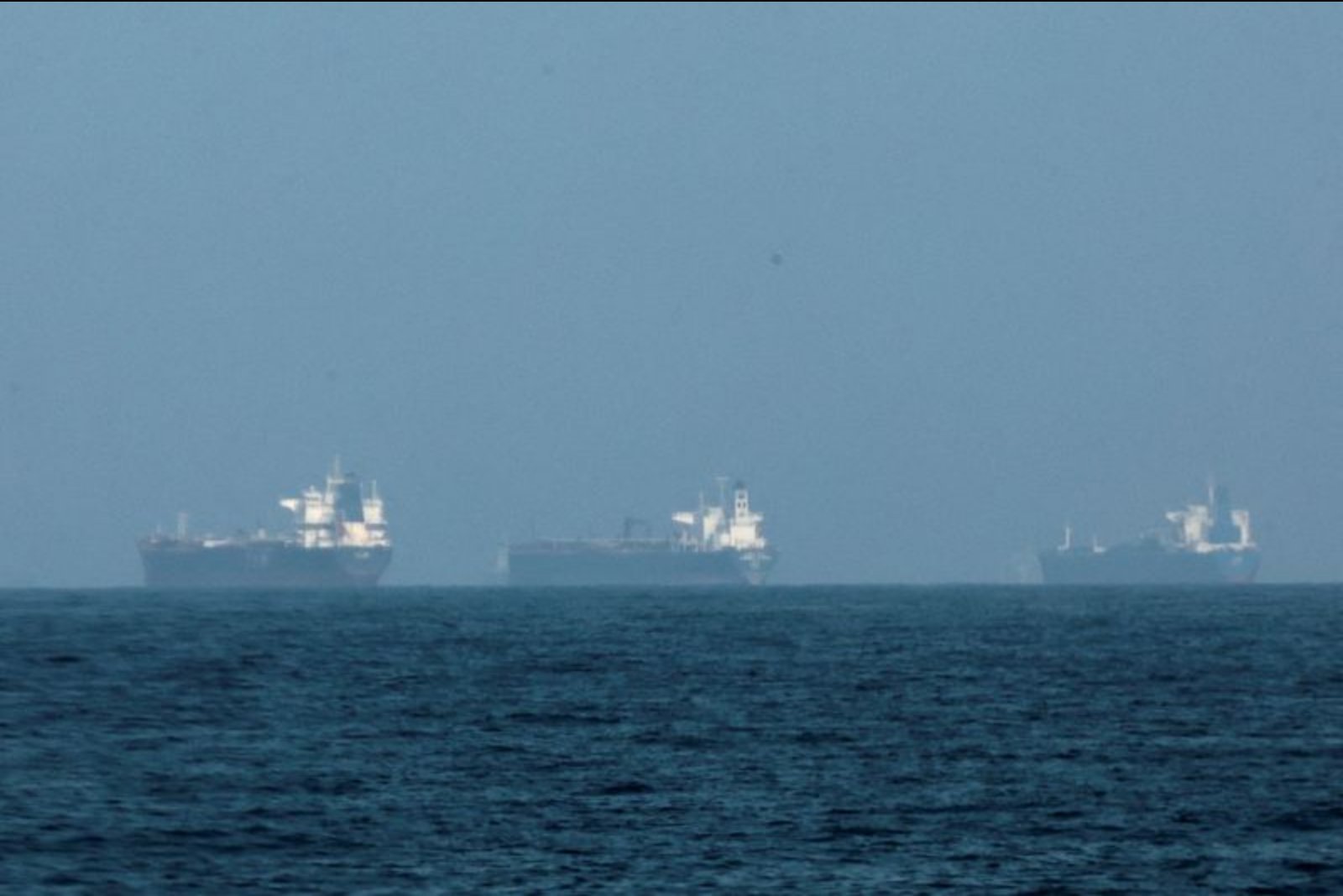
But some ships have been forced to remain at anchor: Reuters reported that at least 200 ships were held in open waters off the coast of major Gulf producers. The accumulation of vessels awaiting clearance or rerouting adds to the operational and insurance risk for owners and cargo interests.
Reinsurers, which provide backstop capacity to primary maritime underwriters, may respond to the heightened losses and volatility by raising the loss level at which their liability attaches or by shrinking capacity, Morningstar DBRS said in a note. That approach would leave primary underwriters retaining more risk and could place additional pressure on solvency metrics.
Supply chains are already under strain as traders and shipping operators consider alternatives to Gulf transits. Goods may be rerouted around the Cape of Good Hope or moved overland, measures that lengthen transit times and increase costs, according to the same note. Those added costs for shippers and energy companies have the potential to feed through into broader inflationary pressure if the disruption persists.
The Trump administration has been exploring measures to lower oil prices by restoring smoother shipping movements. On Tuesday, President Donald Trump said the U.S. Navy could begin escorting oil tankers through the Strait of Hormuz and that he had directed the U.S. International Development Finance Corporation to provide political risk insurance and financial guarantees for maritime trade in the Gulf. He also met with global insurance broker Marsh to discuss potential solutions, the company said. A Lloyd’s spokesperson said the firm was engaging with the Development Finance Corporation and relevant stakeholders to seek options.
Analysts cautioned that it is unclear how any U.S. intervention would be structured and whether such a scheme would apply to vessels and cargo of all nationalities. In the absence of an alternative mechanism, many ship owners are expected to reinstate their previous cover at higher rates and absorb the increased costs.
Reflecting the difficulty insurers face in assessing rapidly changing exposure, Dr Michel Léonard, chief economist and data scientist at the Insurance Information Institute, said the current environment is extreme: "It’s like insuring a burning building."
The move toward materially higher premiums for transit through the Strait of Hormuz is a direct economic friction for ship owners, traders and energy companies that rely on that route. The scale of vessels and aggregate hull value in the region, the presence of insurers still writing cover and the potential for reinsurers to alter capacity or attachment points all combine to create a fraught insurance market until the security situation stabilizes.
Is MRSH a bargain right now? The fastest way to find out is with our Fair Value calculator. We use a mix of 17 proven industry valuation models for maximum accuracy. Get the bottom line for MRSH plus thousands of other stocks and find your next hidden gem with massive upside.