
A series of strikes and counterstrikes across the Middle East has forced the temporary closure of several key hydrocarbon facilities, including Saudi Arabia's largest domestic refinery, and prompted broad precautionary stoppages across Iraqi Kurdistan and Israeli offshore gas fields.
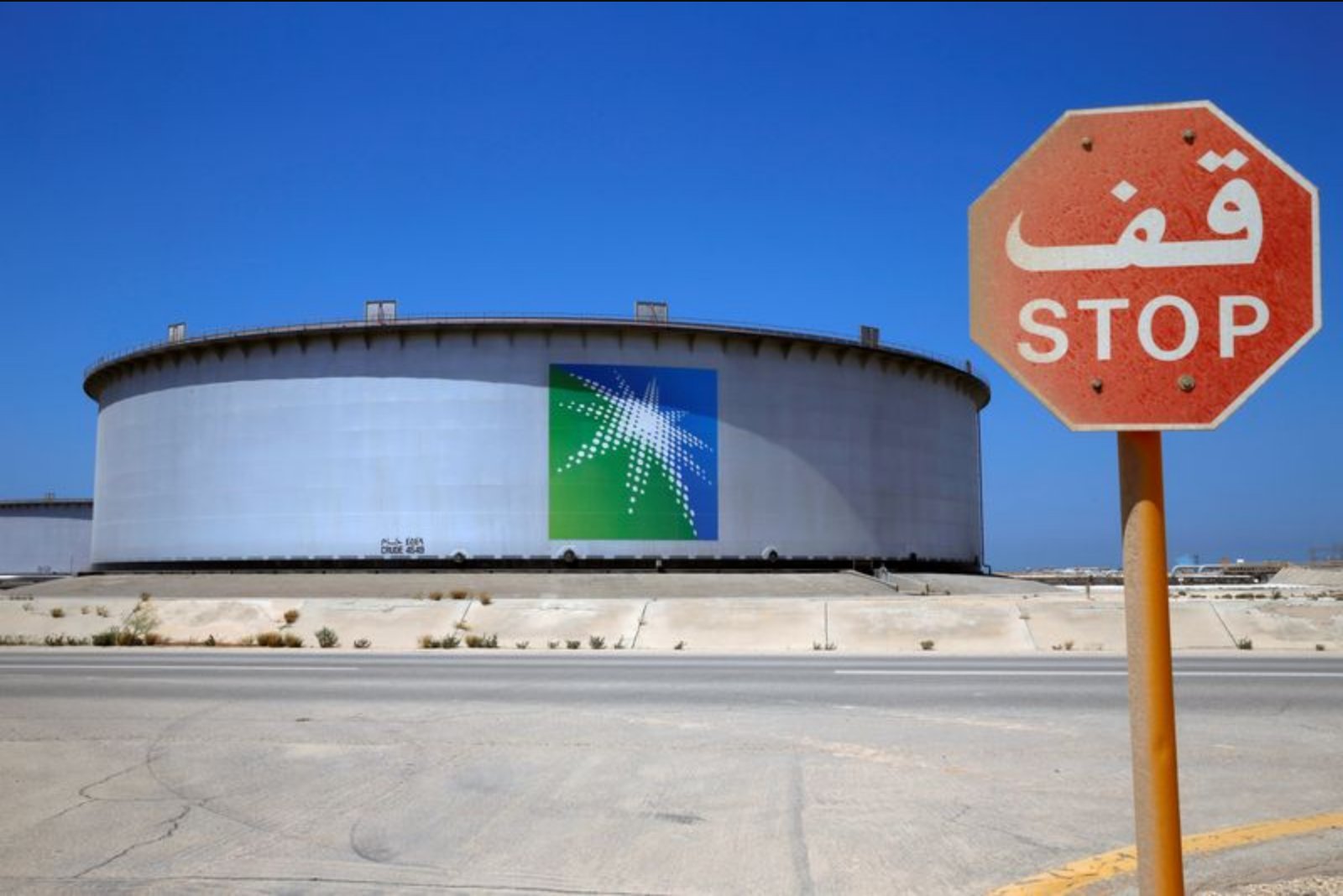
Saudi state energy company Saudi Aramco's Ras Tanura refinery - rated at 550,000 barrels per day (bpd) - was taken offline on Monday after a drone strike, a source said. The refinery is part of a Gulf coast energy complex that also functions as a major export terminal for Saudi crude oil. Authorities described the suspension as a precautionary measure while the incident remained under control.
According to a spokesperson for the Saudi defence ministry speaking on Al Arabiya TV, two drones were intercepted at the Ras Tanura facility. Debris from the interceptions caused a limited fire, but there were no injuries. State news agency SPA, citing an unnamed energy ministry official, said some refinery units were shut as a precaution, while the supply of petroleum products and derivatives to domestic markets had not been affected. Aramco did not immediately respond to an emailed request for comment.
The wider pattern of strikes, which included Israeli and U.S. operations plus Iranian retaliation, has led operators in Iraqi Kurdistan to suspend most oil production as a safety step. In February, Iraqi Kurdistan exported 200,000 bpd via pipeline to Turkey's Ceyhan port. Companies operating there - including DNO, Gulf Keystone Petroleum, Dana Gas and HKN Energy - halted output at their fields as a precaution, with no damage reported.
Offshore Israel, major gas infrastructure has also been taken offline. Sources said the Chevron-operated Leviathan gas field was shut on Saturday. Energean, which operates production assets servicing smaller Israeli gas fields, ceased operations at its production vessel.
The interruption to production and exports arrived as shipping through the Strait of Hormuz - a key maritime chokepoint responsible for roughly a fifth of global oil flows - slowed to a near-halt after vessels were attacked in the area on Sunday. Market reaction was swift: Brent crude futures jumped by roughly 10 percent on Monday, trading above $82 a barrel.
Analysts and risk consultants characterised the attack on Ras Tanura as an important escalation. Torbjorn Soltvedt, a principal Middle East analyst at Verisk Maplecroft, said the strike signals that Gulf energy infrastructure is now a focal point in the conflict and suggested it could push Gulf states closer to coordinating military action with the U.S. and Israel. The statement framed the strike as a potential inflection point for regional alignment, though it did not assert any specific future outcomes.
Saudi Arabia's energy infrastructure has been targeted in past incidents, and Ras Tanura itself was previously attacked by Yemen's Iran-aligned Houthi forces in 2021. This recent incident, however, coincides with a broader spike in cross-border strikes and retaliation that has produced immediate operational responses from energy firms and state agencies across the region.
Operators described the shutdowns in Iraqi Kurdistan and offshore Israel as precautionary steps; in those cases no physical damage to installations was reported. The closures have nevertheless constrained exports and added to acute supply-side anxieties, particularly given the simultaneous disruption to shipping lanes.
As authorities and operators assess damage and security risks, the situation remains fluid. Companies and governments involved have cited safety and precaution as the primary drivers of the stoppages, and official statements have sought to reassure domestic markets about ongoing local supply of petroleum products where relevant.
Key points
- Saudi Arabia temporarily shut the 550,000 bpd Ras Tanura refinery after two drones were intercepted; debris caused a limited fire and there were no injuries.
- Operators in Iraqi Kurdistan - including DNO, Gulf Keystone Petroleum, Dana Gas and HKN Energy - paused most oil production as a precaution; Kurdish exports were 200,000 bpd to Ceyhan in February.
- Offshore Israel saw shutdowns at major gas assets, including the Chevron-operated Leviathan field and Energean's production vessel supporting smaller fields, reducing exports to Egypt.
Risks and uncertainties
- Escalation risk: Attacks on Gulf energy infrastructure may increase the likelihood of wider regional military coordination against perceived threats, which could further disrupt energy flows - an immediate risk to oil and gas markets and shipping.
- Supply-chain disruption: With major facilities offline and shipping through the Strait of Hormuz slowed to a near-halt, global crude and LNG export routes face uncertainty - a risk for energy traders, refiners and import-dependent countries.
- Operational precautionary shutdowns: Even where no physical damage is reported, the suspension of production by operators in contested areas creates near-term export reductions and market volatility for sectors reliant on steady hydrocarbon supplies.