
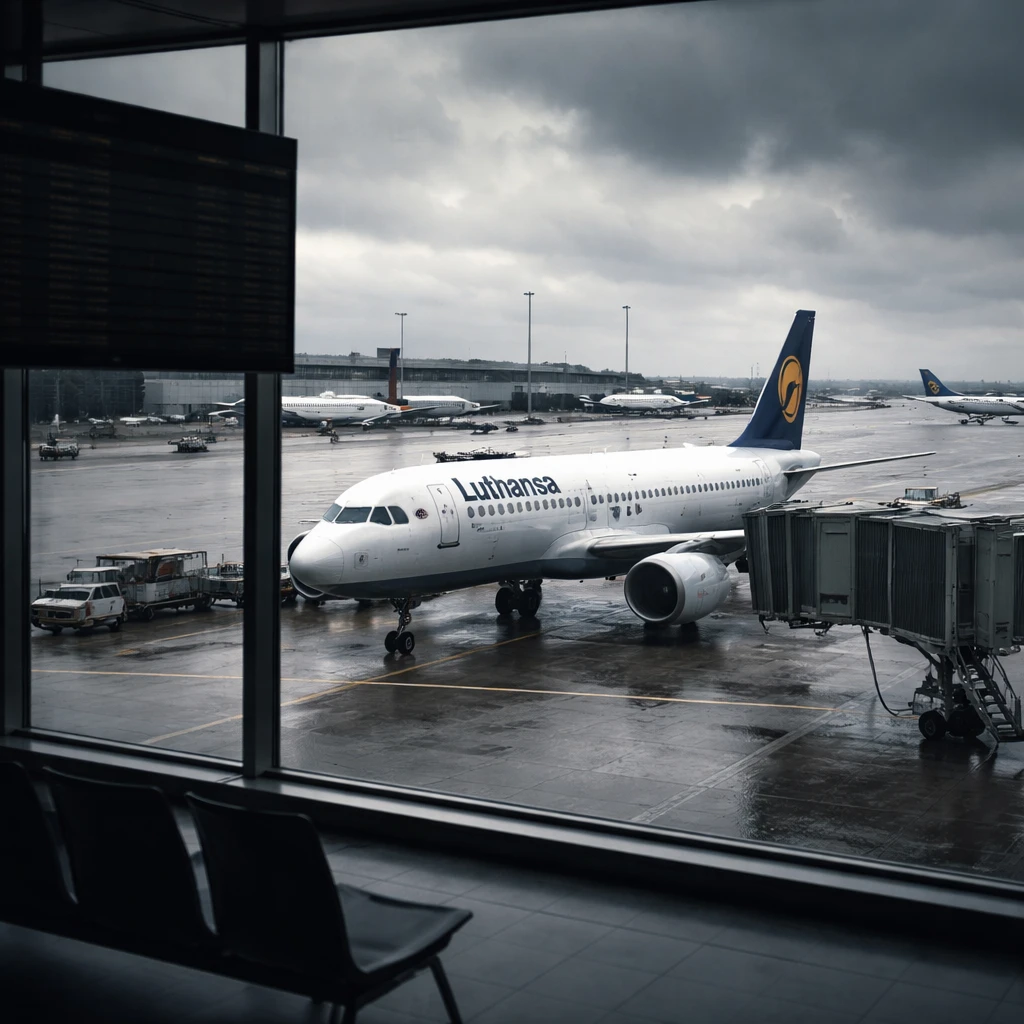
Deutsche Lufthansa AG faces a renewed labor confrontation after its pilots’ union, Vereinigung Cockpit, declared a 24-hour strike beginning at 12:01 a.m. on February 12 and ending at 11:59 p.m. the same day. The union says the action will apply to all flights departing from German airports and could result in hundreds of cancellations, disrupting travel and putting additional strain on the carrier’s profitability targets.
The walkout follows unsuccessful talks between the pilot union and Lufthansa management centering on retirement pension funding. Negotiations collapsed last year, and the union held a strike ballot in September. Vereinigung Cockpit is pushing for larger company contributions to the pension plan, while Lufthansa has argued it has limited ability to increase its payments.
This will be the first pilot strike at Lufthansa since 2022. The stoppage compounds existing headwinds for Europe’s biggest airline group, which is already coping with delayed aircraft deliveries, elevated taxes and fees, and difficulties associated with the rollout of its premium Allegris cabin.
Under CEO Carsten Spohr, Lufthansa has been pursuing a margin-improvement program that includes consolidation of its hub airlines and a plan to cut 4,000 administrative posts. Management has framed those moves as necessary to bolster profitability amid the operational and cost pressures the group faces.
Past pilot strikes have imposed a heavy toll on the carrier. Walkouts in 2014 and 2016 disrupted thousands of commercial flights and cost the company hundreds of millions of euros. The current dispute, like those earlier ones, centers on pension contributions and the balance between workforce demands and the company’s stated financial constraints.
At present, the immediate consequences of the February 12 action are uncertain beyond the union’s timeline and its scope covering departures from German airports. The strike underscores a point of contention that remains unresolved: the union’s demand for increased company pension contributions versus management’s assertion of limited capacity to meet those demands.