
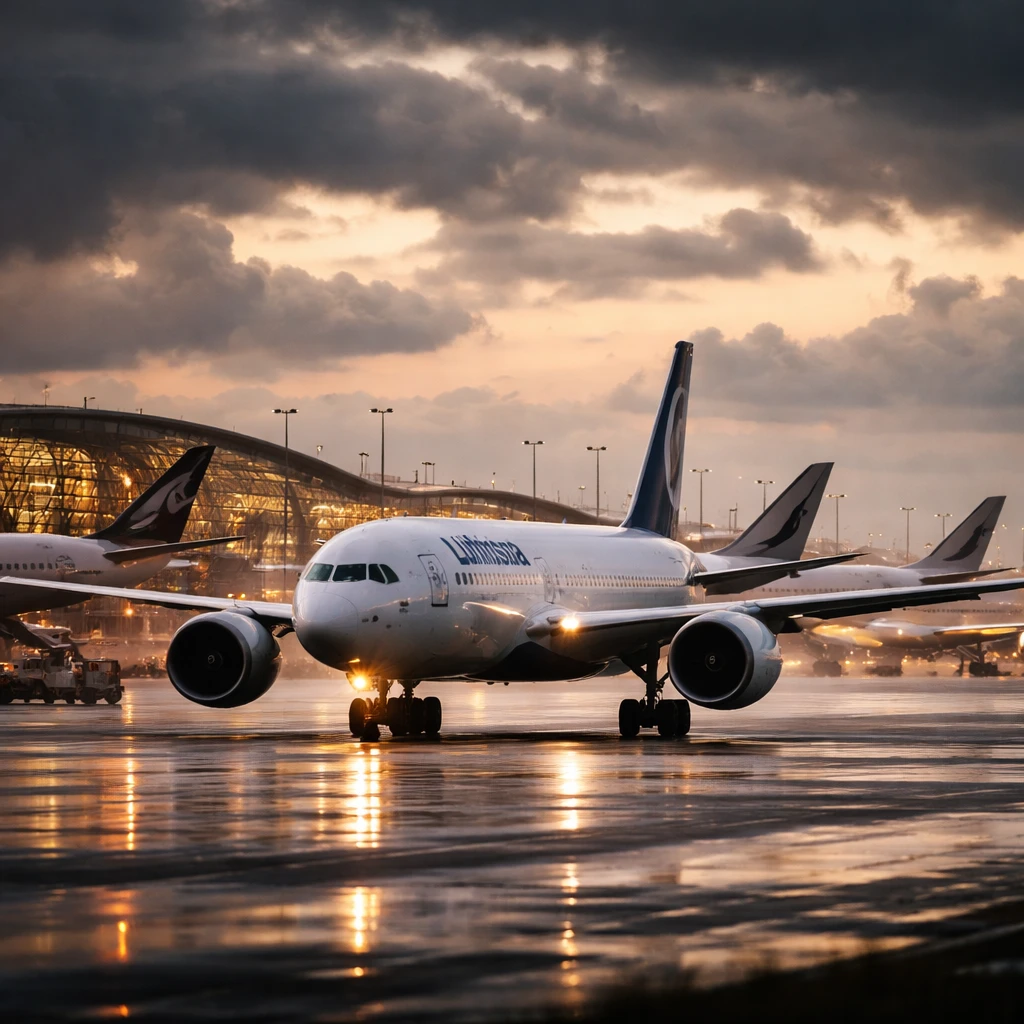
Germany's Lufthansa (ETR:LHAG) expects the ongoing war in Iran to alter competitive dynamics on long-haul routes to Asia, potentially weakening the market power of Gulf carriers, CEO Carsten Spohr said in an interview with business magazine Manager Magazin published on Tuesday.
"The major hubs of the Gulf carriers are located in a region that is now clearly exposed to new risks. What this means for the future of global air travel remains to be seen," Spohr said, flagging the vulnerability of those gateway airports to geopolitical shocks.
Spohr also addressed how the conflict could affect discussions taking place in Germany over additional take-off and landing rights for airlines such as Emirates. He warned that expanding access for Gulf carriers at German airports may be viewed differently in light of heightened regional risk.
"It weakens European sovereignty if we are increasingly less able to connect to the growing markets of Asia via our own routes and become ever more dependent on hubs outside Europe," Spohr said, linking the slot allocation debate to broader concerns about Europe's control over direct air links to Asia.
On traffic between Europe and North America, Spohr said Lufthansa managed last year’s slowdown in Europeans flying to the U.S. by serving a stronger flow of passengers in the opposite direction. "We expect to have more Americans than Europeans on board our aircraft on North Atlantic routes this summer," he said, noting a shift in passenger composition for the coming season.
The comments from Lufthansa's CEO highlight how geopolitical developments in the Middle East can influence both network strategy and regulatory conversations in Europe, while also affecting seasonal demand patterns across transatlantic services.
Key points
- CEO Carsten Spohr said the Iran war increases risk exposure for Gulf carrier hubs and could curb their dominance on Asia routes - impacting international airlines and airport operations.
- Spohr warned that granting more German airport slots to Gulf carriers may raise concerns about European sovereignty over direct connections to Asia - relevant to aviation policy and airport slot governance.
- Lufthansa expects a seasonal shift on North Atlantic routes, with more American than European passengers anticipated this summer - affecting transatlantic travel demand and airline revenue mix.
Risks and uncertainties
- Geopolitical risk: The conflict in Iran introduces uncertainty for carriers whose hubs are in the Gulf region, which could reshape route decisions and hub usage - affecting airlines and airport operations.
- Policy and access risk: Debates over allocation of take-off and landing slots at German airports could intensify, with potential implications for airline market access and competition within Europe.
- Demand shifts: Changes in passenger composition on North Atlantic routes introduce uncertainty for capacity planning and revenue management for carriers operating transatlantic services.