
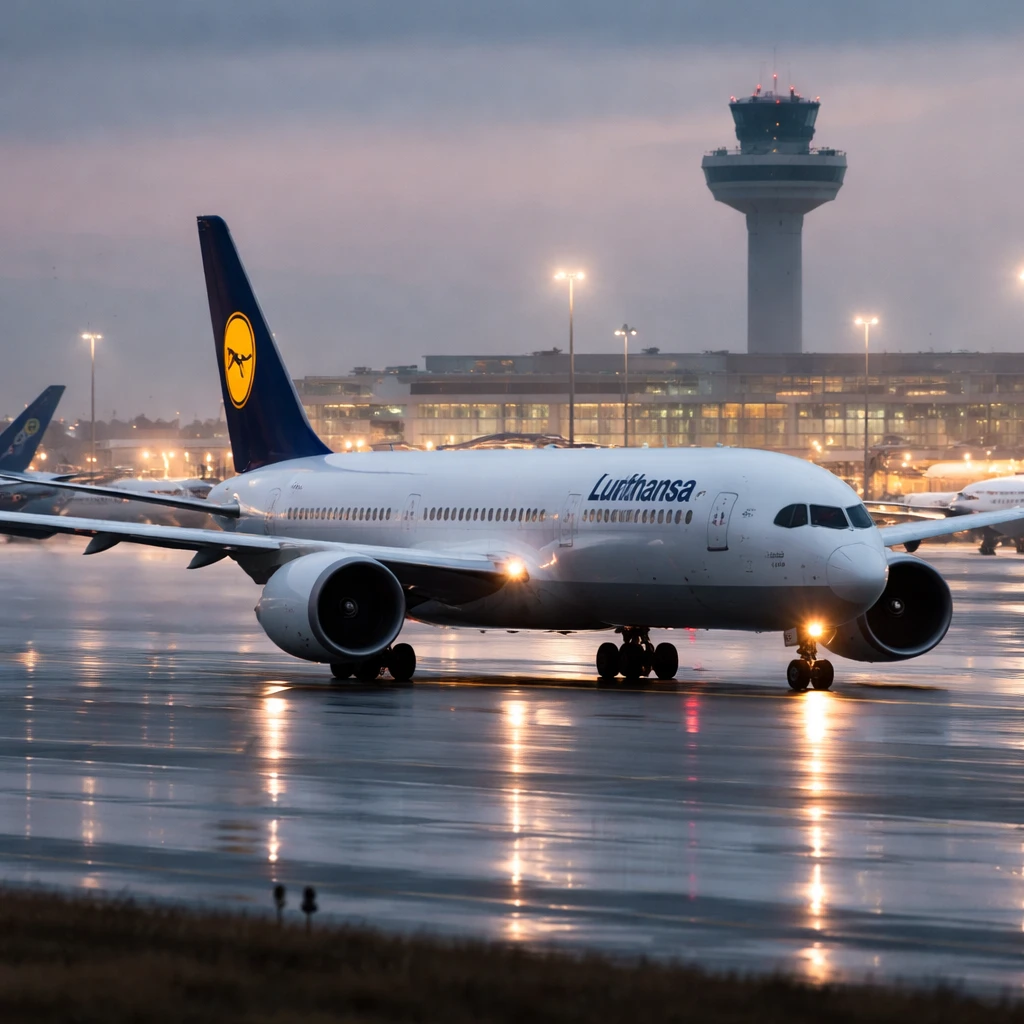
Germany's flag carrier expects the conflict in Iran to have implications for global route dynamics, according to comments from Lufthansa CEO Carsten Spohr in an interview with business magazine Manager Magazin published on Tuesday.
Spohr flagged that the main hubs used by carriers based in the Gulf - naming carriers such as Emirates and Qatar Airways - are now located in a part of the world exposed to "new risks." He said the consequences for long-distance air travel remain uncertain.
"The major hubs of the Gulf carriers are located in a region that is now clearly exposed to new risks. What this means for the future of global air travel remains to be seen," Spohr said.
Beyond the question of which airlines will capture traffic between Europe and Asia, Spohr linked the heightened regional risk to ongoing discussions in Germany about slot allocations. He suggested the conflict will act as a deterrent to proposals to assign additional take-off and landing rights at German airports to some Gulf carriers.
In that context, Spohr warned about loss of connectivity and strategic autonomy for Europe. He argued that allowing a growing reliance on hubs outside the continent to reach expanding Asian markets would weaken European sovereignty.
"It weakens European sovereignty if we are increasingly less able to connect to the growing markets of Asia via our own routes and become ever more dependent on hubs outside Europe," Spohr said.
On services across the North Atlantic, Spohr described a change in passenger composition. Lufthansa experienced a moderation in demand last year for Europeans flying to the United States, he said, but that softening was offset by stronger demand from U.S. travelers heading to Europe.
"We expect to have more Americans than Europeans on board our aircraft on North Atlantic routes this summer," Spohr said.
The comments outline how geopolitical developments can influence network planning, slot debates at European airports, and seasonal passenger mix on transatlantic routes. Spohr's remarks reflect the carrier's current view of how risk in the Gulf region could alter competitive dynamics on Asia-Europe services while noting a recent shift in North Atlantic demand flows.