
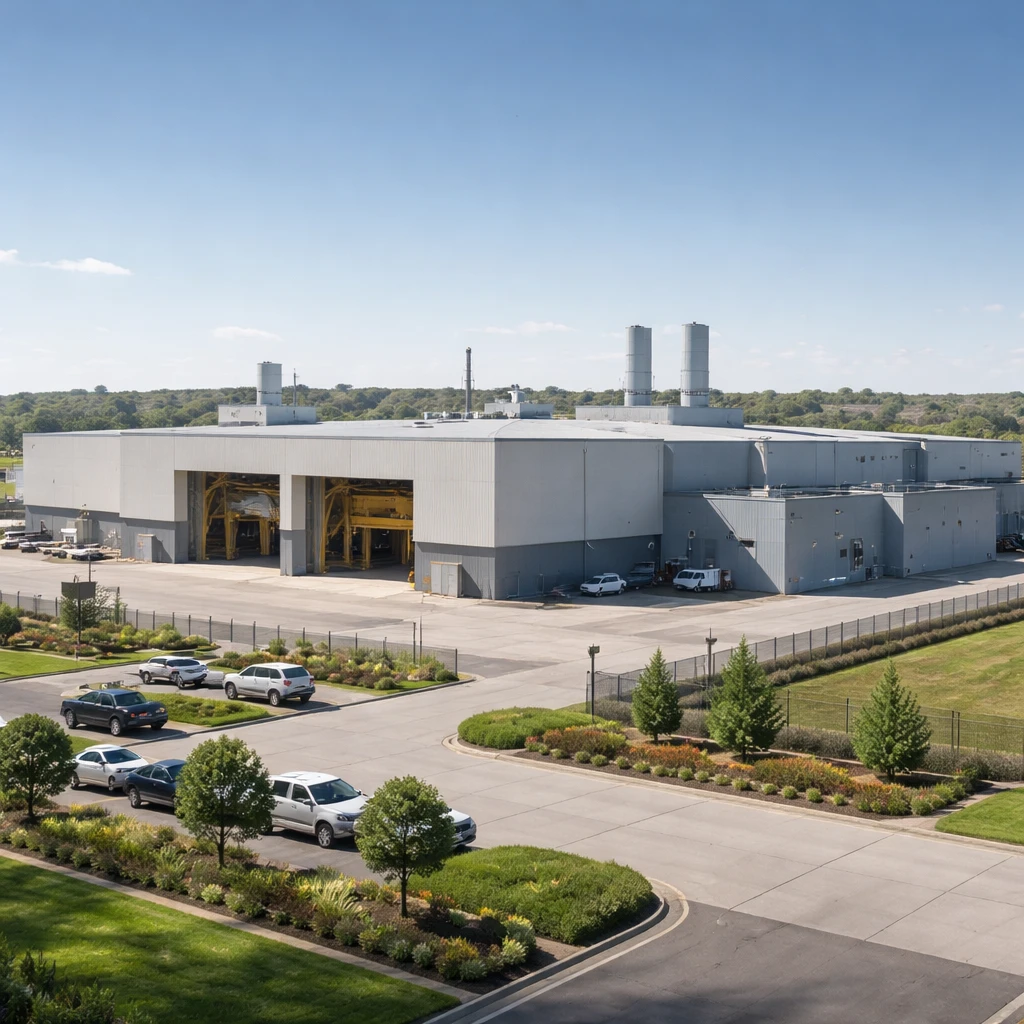
Lockheed Martin has inaugurated a new missile assembly facility in Courtland, Alabama, designed to support production of the Next Generation Interceptor for the Missile Defense Agency. The 88,000-square-foot building, designated Missile Assembly Building 5, officially opened on Monday.
The plant is equipped with digital manufacturing systems and automated workflow capabilities intended to streamline assembly of the interceptor system. Lockheed Martin said the facility leverages practices from prior programs, including Terminal High Altitude Area Defense, and employs a digital twin approach to production and testing.
At the opening ceremony, Gen. Mike Guetlein, Director of Golden Dome for America at the Department of Defense, characterized the new facility as a critical asset to national security. Company officials emphasized that the site will be a key element in the industrial base supporting the Next Generation Interceptor program.
How the interceptor is designed
The Next Generation Interceptor is built to operate with a broader sensor and command ecosystem. Lockheed Martin described the system as integrating with space-based sensors, ground and sea radars, command and control systems, and other interceptors. Its modular architecture is intended to permit technology upgrades while the missile remains in its silo, a capability the company links to the system's digital foundation.
Christopher Jewell, vice president and program manager for the Next Generation Interceptor at Lockheed Martin, said the program's digital core was a central element of the design and will enable adaptation over time.
Development status and technologies
According to Lockheed Martin, the interceptor is progressing through development test and integration phases. Core technology areas cited by the company include engagement capability, sensors, software and propulsion. These elements have demonstrated system-level performance that the company says is ahead of the program's Critical Design Review.
Regional operations and economic effects
Lockheed Martin has maintained a presence in the region since 1963 and has produced defense systems in Courtland since 1994. The company said its facility in Troy, Alabama, will support Next Generation Interceptor production by performing hardware integration and handling large-scale manufacturing tasks.
U.S. Rep. Dale Strong commented that the new facility will create jobs and bolster the local economy while supporting homeland defense capabilities.
The opening of Missile Assembly Building 5 reflects Lockheed Martin's continued manufacturing investment in northern Alabama, combining digital production techniques with traditional hardware integration performed at nearby facilities. The company framed the site as both a contribution to the missile defense industrial base and a source of local economic activity.