
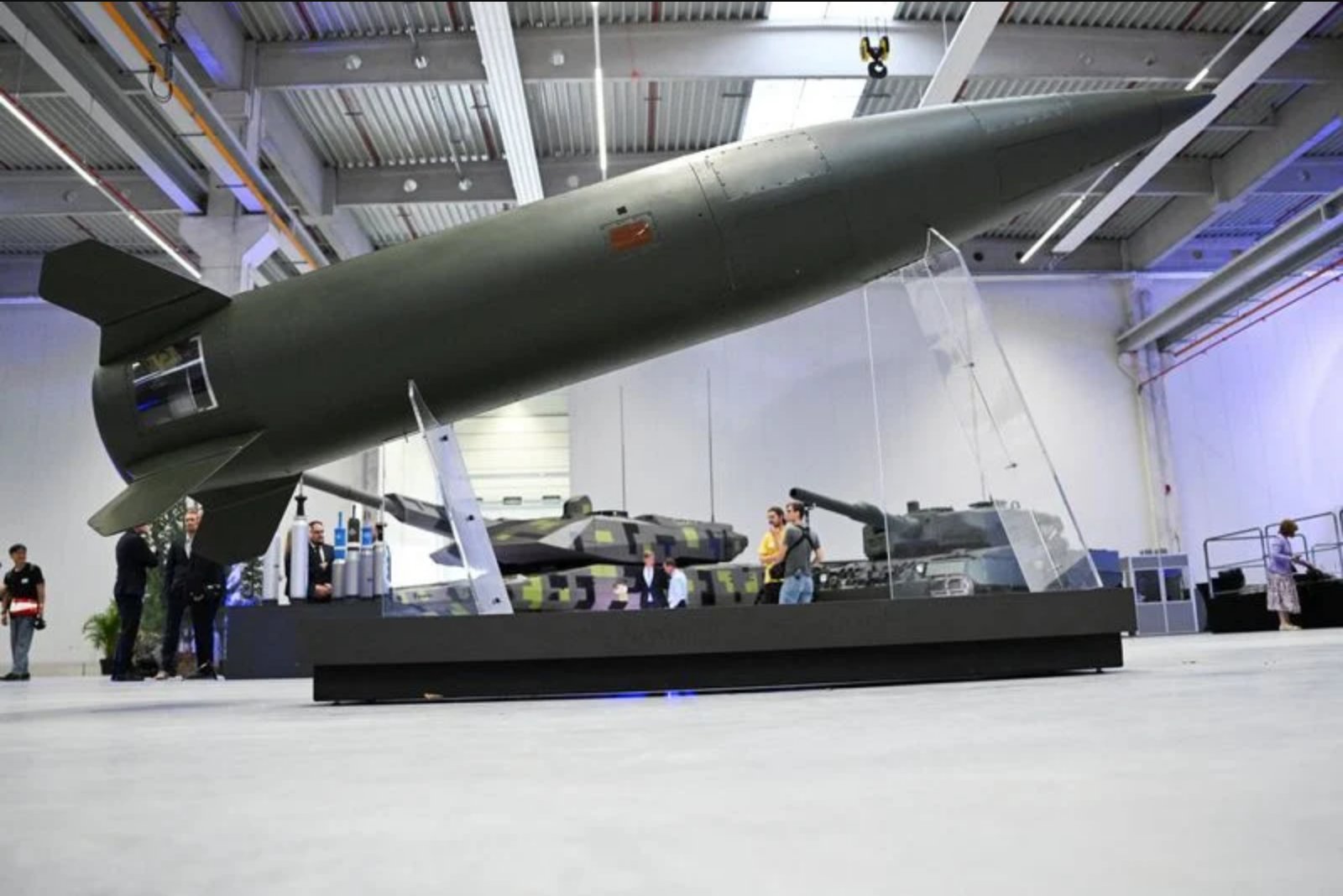
Ankara, July 7 - Lockheed Martin and Germany's Rheinmetall have formalized plans to produce ATACMS short-range ballistic missiles on German soil through a memorandum of understanding signed on Tuesday. The companies said the arrangement, which has the support of both the U.S. and German governments, would represent the first time ATACMS are manufactured outside the United States.
In a joint statement, the two defence firms described the memorandum as an initial move toward creating a joint venture. That proposed venture would be intended to establish a European hub responsible for the manufacture, integration and distribution of ATACMS to NATO members and allied countries. The companies positioned the deal as part of a broader effort to expand production capacity among U.S. and European defence firms.
Rheinmetall's chief executive, Armin Papperger, said the guided missiles will be produced at the company's artillery facility in Unterluess, located in northern Germany. The memorandum was signed at a NATO Industry Forum held on the sidelines of the alliance's summit in Ankara.
The companies and governments framed the move as a response to pressure on Western weapons inventories. They said expanding industrial capacity in Europe and creating regional production capabilities is intended to help replenish arms stockpiles that have been stressed by fighting in Ukraine and the Middle East.
The memorandum itself is a formal statement of intent and a step toward setting up a joint venture; it does not by itself establish production lines or commit specific deliverables beyond the stated aim of creating a European hub. The announcement highlighted collaboration between a major U.S. defence contractor and a leading German defence manufacturer, with both governments backing the initiative.
Observers within defence and industrial manufacturing sectors will watch for follow-up steps that move the memorandum toward an operational joint venture. For now, the companies have identified an existing Rheinmetall artillery plant in Unterluess as the designated manufacturing location, and they have framed the agreement as contributing to allied efforts to increase regional defence production and restore depleted inventories.
Contextual implications
- Defence manufacturing: The planned production at Unterluess would expand European manufacturing capacity for guided missiles.
- NATO logistics and supply: The proposed hub is intended to serve NATO members and allied countries for distribution and integration.
- Market and industrial impacts: The move signals increased collaboration between U.S. and European defence firms to address supply constraints.