
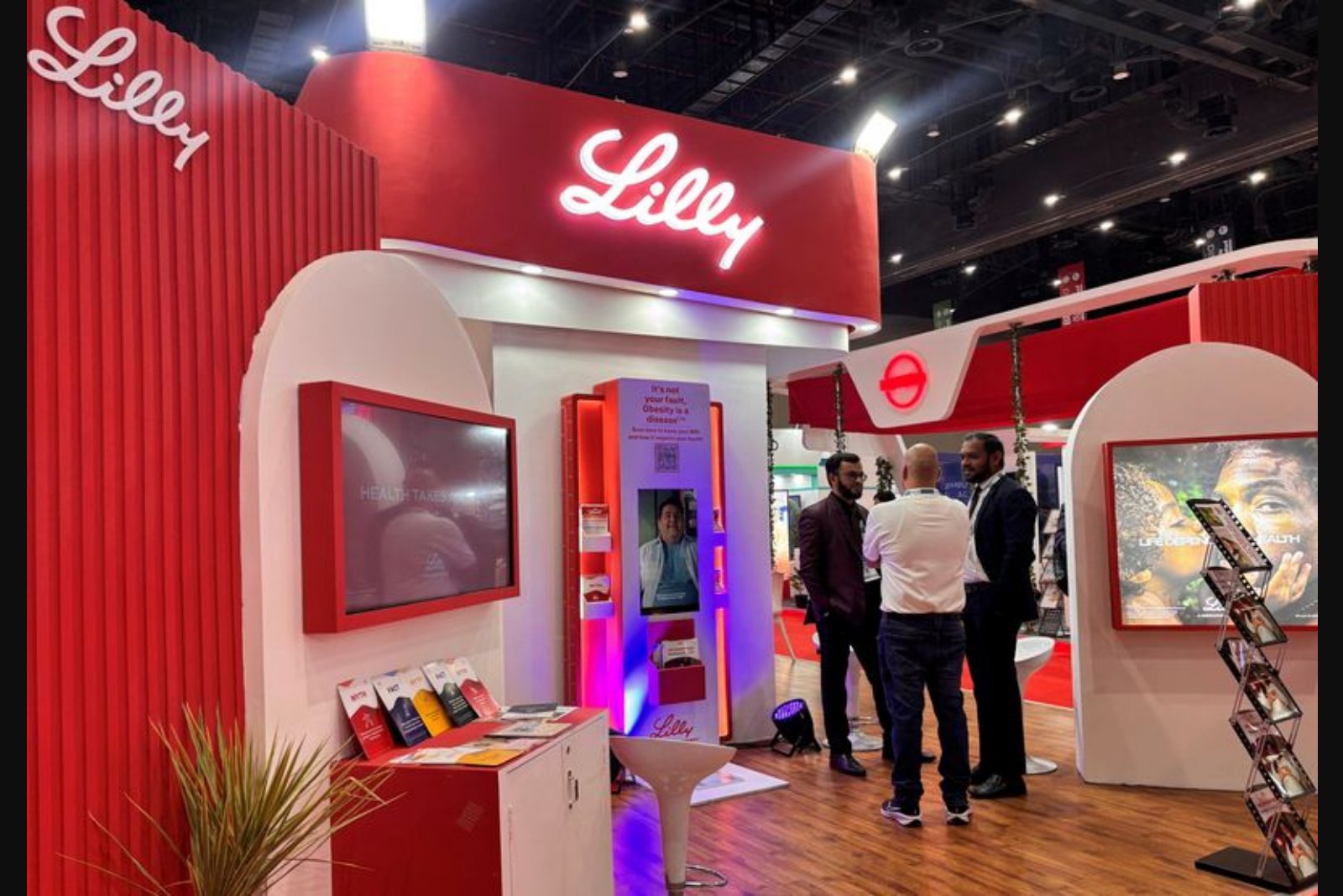
Eli Lilly is pursuing a strategy to make India a key component of its worldwide production network, a senior company executive said, building on a pledged $1 billion investment in contract manufacturing within the country.
Executives at the U.S. drugmaker have pointed to the swift market traction of Mounjaro after its launch in India, where sales of the weight-loss treatment doubled within months and it became Lilly's highest-selling medicine by value. That performance comes as India is forecast to have the world's second-largest obese population by 2050, a demographic shift that underscores rising demand for obesity therapies.
Global supply ambitions
Although Lilly does not currently own a manufacturing site in India, the company plans to use locally produced medicines for exports to markets around the world, tapping into India's established contract manufacturing sector. "We are actually looking at India to be a hub, part of our global supply chain, and therefore supplying the world," Winselow Tucker, president of Lilly India, said at a biotechnology industry event in Hyderabad.
Tucker indicated the company will continue to evaluate and scale its investments over time but declined to identify specific contract manufacturers or to discuss plans for a dedicated Lilly plant in India.
Pipeline and product plans
Beyond Mounjaro, Lilly intends to introduce more of its medicines into the Indian market, including the Alzheimer’s drug donanemab and potential future obesity treatments such as the experimental oral candidate orforglipron, contingent on regulatory approvals.
Competitive and pricing dynamics
On the competitive front, Lilly contends with Danish rival Novo Nordisk, which markets Wegovy. The Indian market is poised for heightened price competition as local manufacturers prepare to launch lower-cost, generic versions of Wegovy following the imminent expiry of Novo's semaglutide patent in India.
In response to market pressures last year, Novo Nordisk reduced Wegovy's price by up to 37% to defend share. Tucker dismissed concerns that Mounjaro would face comparable pricing erosion, saying the drug's formulation delivers superior efficacy and that Lilly has "priced it (Mounjaro) for value, and we believe it is priced appropriately."
Distribution and demand expansion
To broaden Mounjaro's reach beyond major urban centres, Lilly is prioritizing digital and social media outreach aimed at raising awareness of obesity and expanding uptake in smaller cities. The company has also extended distribution through partnerships with local pharmaceutical and digital health firms, including a tie-up with Cipla and collaborations with platforms such as Tata 1MG, Practo and Apollo.
Those distribution moves fit within Lilly's stated goal of scaling local production and supply as part of a wider, globally integrated manufacturing and distribution network based in India.
Summary
Lilly plans to use India as a manufacturing and export hub under a $1 billion contract manufacturing commitment, driven in part by rapid Mounjaro sales that have made it the company's top medicine by value in India. The company will also pursue additional product launches and expand distribution while defending pricing against competition and looming generic entries for rival drugs.