
Stock Markets February 11, 2026

Kraft Heinz Reverses Split Plan, Joins a Short List of Firms Scrapping Breakups

Decision to abandon a two-company carve-up places Kraft Heinz among multiple large corporations that have halted or reversed spinoff moves

By Caleb Monroe KHC
Kraft Heinz Reverses Split Plan, Joins a Short List of Firms Scrapping Breakups
KHC

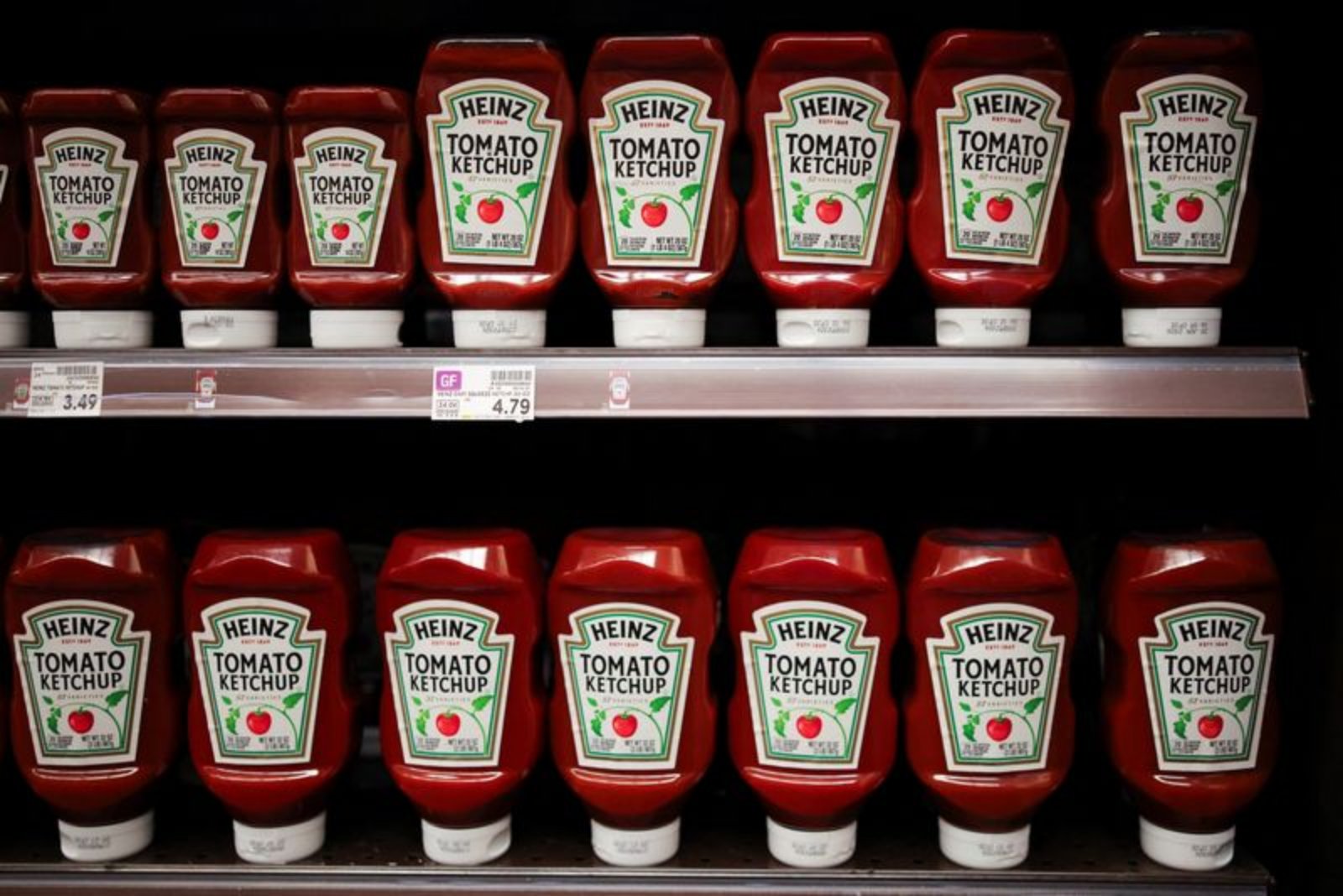
Kraft Heinz on Wednesday abandoned plans to divide into two standalone companies - one concentrating on groceries and the other on sauces and spreads - joining a series of major corporations that have cancelled or delayed proposed separations. The list includes firms across sectors from tyres and industrial materials to telecoms, media, banking and pharmaceuticals, each shelving or reworking prior plans to spin off assets or businesses.

Key Points

  • Kraft Heinz halted plans to split into two companies, reversing its September plan to separate into groceries and sauces and spreads units - impacts consumer packaged goods sector.
  • Several large firms across multiple industries - including Pirelli, DuPont, Telefonica/ Virgin Media O2, ProSiebenSat.1, HSBC and Bayer - have also scrapped or delayed spinoff plans, affecting sectors from tyres and industrial materials to telecoms, media, banking and pharmaceuticals.
  • The decisions were driven by varied factors reported publicly, such as board opposition, shareholder votes, executive statements and strategic timing, indicating cross-sector reconsideration of separations.

Kraft Heinz on Wednesday said it would stop plans to split into two separate companies, reversing its earlier decision to separate into an entity focused on groceries and another focused on sauces and spreads. The move places the packaged-foods firm among a small group of large corporations that have stepped back from planned corporate breakups.

The companies that have publicly dropped or postponed proposed spinoffs include:

  • PIRELLI - Earlier this month the board of the Italian tyre maker opposed any spinoff of its Cyber Tyre activities in response to a proposal put forward by Chinese shareholder Sinochem intended to resolve a governance dispute.
  • DUPONT - In January 2025, industrial materials maker DuPont said it no longer intended to carve out its water business into a publicly traded company, while confirming it would proceed with the spinoff of its electronics business.
  • VIRGIN MEDIA O2 - In July 2025, Telefonica’s CEO Marc Murtra told Reuters the plan to spin off the joint venture Virgin Media O2’s fixed network in Britain had been scrapped.
  • PROSIEBENSAT.1 - In April 2024 an effort by investor MFE-MediaForEurope to push the German media group to separate its e-commerce and online dating operations narrowly failed to obtain the necessary shareholder support.
  • HSBC - In April 2024, after defeating a resolution from Hong Kong-based shareholders, HSBC Chairman Mark Tucker informed shareholders in Hong Kong that a spinoff of the bank’s lucrative Asian business would not take place.
  • BAYER - In March 2024 Bayer announced it would delay plans to split the group for up to three years so the incoming chief executive could concentrate on matters including debt and litigation.

Each of these cases reflects a decision by corporate leadership or shareholders to halt or rethink structural changes that had been publicly contemplated. The firms cited represent a range of sectors - from consumer packaged goods and tyres to industrial materials, telecommunications, media, banking and pharmaceuticals - illustrating that retreating from planned separations has not been confined to a single industry.

The Kraft Heinz decision follows its September announcement to separate into a groceries business and a sauces and spreads business, but the company has now chosen to stop that course. The examples above show a pattern of companies either abandoning or postponing spinoff plans for a variety of stated reasons, including shareholder opposition and executive priorities.


Note: The article lists companies that have publicly called off or delayed spinoff plans and provides the dates and specific outcomes as reported.

Risks

  • Shareholder resistance - as seen in ProSiebenSat.1 and HSBC, failed or defeated proposals may prevent intended restructurings and affect shareholder returns; this risk is relevant to media and banking sectors.
  • Governance and stakeholder disputes - illustrated by Pirelli’s opposition in response to a proposal from Sinochem, which can derail planned asset separations in industrial and manufacturing firms.
  • Operational and leadership priorities - exemplified by Bayer’s decision to delay a break-up for up to three years so the new CEO could address debt and litigation, posing timing and execution risks for pharmaceuticals and diversified industrial groups.

More from Stock Markets

S&P 500 Shows Signs of Tightening Range; Strategist Sees Potential for a Big Move Feb 22, 2026 Supreme Court to Clarify Reach of Helms-Burton Act in Multi-Billion Dollar Cuba Claims Feb 22, 2026 Switzerland Pulling Ahead in Early Economic Gains from AI Feb 22, 2026 Nvidia Results and Software Earnings to Test AI-Driven Market Sentiment Feb 22, 2026 Analysts Shift AI Bets: Nvidia, Amazon, Dell, Analog Devices, Shopify See Upgrades and Bullish Casework Feb 22, 2026