
Overview
Steve Cahillane, who assumed the role of chief executive at Kraft Heinz on January 1, has elected to pause the company’s planned separation and concentrate on restoring growth to its legacy brands. Cahillane said the decision reflects a belief that attempting to separate while key businesses remain fragile would hinder efforts to rebuild the company's underfunded portfolios.
Why the pause
Cahillane told Reuters that divestitures and separations are best carried out when a company is healthy, stable and expanding. He said the company’s finite managerial attention should be devoted to turning the business back to growth rather than continuing the time-consuming separation process first announced in September. "It became very compelling that we ought to pause the separation and focus all of our attention, because our attention is finite, focus all of that attention (on) turning the business back to growth," he said.
The announcement to halt the split surprised many market participants. Industry sources suggested the process had already consumed substantial executive time. Some analysts interpreted the decision as an indication that core parts of the business might be in worse shape than previously thought - raising doubts about whether those divisions could succeed independently.
TD Cowen analyst Robert Moskow warned that investors are likely to view the pause negatively because it signals the businesses may not be robust enough to operate on a standalone basis, and the timing for restoring that condition is uncertain.
Investor reaction and ownership
Investors had not embraced the original separation blueprint, which planned to split Kraft Heinz into a North American grocery unit and a global "taste elevation" business. The initial plan confused some shareholders; for example, Kraft Mac & Cheese was slated for the taste elevation business alongside ketchup and mayonnaise, a configuration that drew criticism and concern.
A regulatory filing last month revealed that Berkshire Hathaway may be preparing to reduce or exit its 27.5% stake in Kraft Heinz, marking a potential end to a long-standing investment. Since the separation announcement, Kraft Heinz shares have declined 13%, while the S&P 500 has risen during the same interval. The stock traded down 1.3% at $24.66 per share on Thursday.
Roots of the current challenge
Kraft Heinz was formed in 2015 through the merger orchestrated by Berkshire Hathaway and 3G Capital. The merger architects executed aggressive cost reductions, including steep cuts to marketing and promotional spending, in an effort to elevate margins. While those moves initially lifted EBITDA margins into the high-20% range, the strategy also left the company’s brands under-resourced and less able to respond to shifting consumer preferences.
Sales momentum has slowed: net sales declined by 3% in 2024 and by 3.5% in 2025. A pandemic-era boost from increased at-home consumption faded, and legacy brands have struggled as younger competitors capture consumer attention. The stock has declined nearly 70% since the merger.
Cahillane said he never subscribed to the notion of "forever brands" that require no ongoing investment. "Brands in the consumer space need investments, or they will wither," he said, underscoring his rationale for prioritizing reinvestment over separation at this juncture.
Turnaround approach and financial trade-offs
Cahillane brings prior turnaround experience: he led Kellogg from 2017 to 2023, guided that business through its separation into Kellanova and WK Kellogg, and then led Kellanova until its acquisition by Mars in 2025. Drawing on that background, Cahillane has identified immediate opportunities to reallocate resources toward marketing, sales and research and development, backed by $600 million designated for those purposes.
Charles Rinehart, chief investment officer at Johnson Investment Counsel, acknowledged that there will be margin implications from redirecting spending to restore brands. Yet he added that a lower margin base might be acceptable to investors if it increases confidence in the sustainability of future growth.
Brands in focus and divestiture efforts
The U.S. grocery division, which contains several slower-growing names, will likely receive the bulk of attention. Brands cited as needing investment include Oscar Mayer, Kraft Singles, Lunchables and Maxwell House. According to sources familiar with the matter, the company previously attempted to sell Oscar Mayer and Maxwell House but did not consummate those divestitures. Kraft Heinz declined to comment on those attempts.
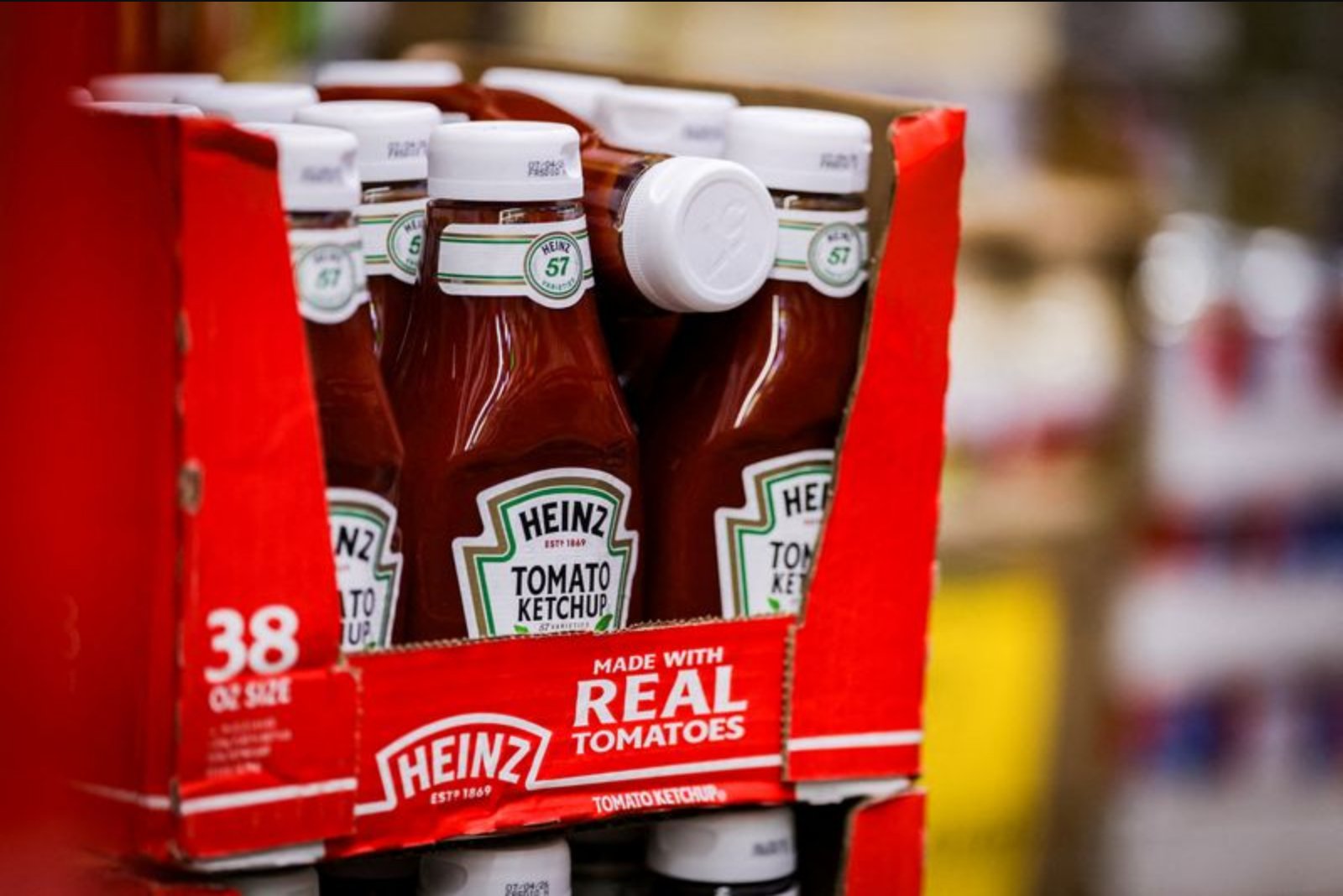
Cahillane indicated that flagship names such as Heinz, Kraft, Philadelphia cream cheese and Mac & Cheese will be among the primary beneficiaries of renewed investment. He also said that within the broader portfolio, business units that present strong ideas for growth will be candidates for funding.
Market context and outlook
The company’s decision reflects a tension between restructuring for strategic clarity and shoring up deteriorating core operations. The pause of the split shifts the near-term focus to brand revitalization financed by the announced $600 million. Whether that investment quickly reverses sales declines and restores investor confidence remains an open question.
Key takeaways
- Kraft Heinz has paused its planned separation to concentrate executive resources and capital on reviving underinvested brands - an approach supported by $600 million for marketing, sales and R&D.
- Investor reception to the original split was muted, and a regulatory filing showed Berkshire Hathaway may reduce or exit its 27.5% stake; the stock has fallen 13% since the separation announcement and traded at $24.66, down 1.3% on Thursday.
- The decision shifts the company’s near-term strategy from structural change to operational reinvestment, with implications for margins and investor expectations in the consumer staples and packaged foods sectors.
Risks and uncertainties
- There is uncertainty about the timing and effectiveness of the turnaround - investors may view the pause negatively if the business does not show a credible path to sustainable growth; this affects equities in the consumer staples sector.
- Renewed spending to revive brands will likely pressure margins in the near term; whether investors accept a lower margin base in exchange for longer-term growth is unclear, impacting investor sentiment across food and packaged-goods stocks.
- If Berkshire Hathaway proceeds to divest its reported 27.5% stake, that could materially alter shareholder composition and market perception of the company’s prospects.