
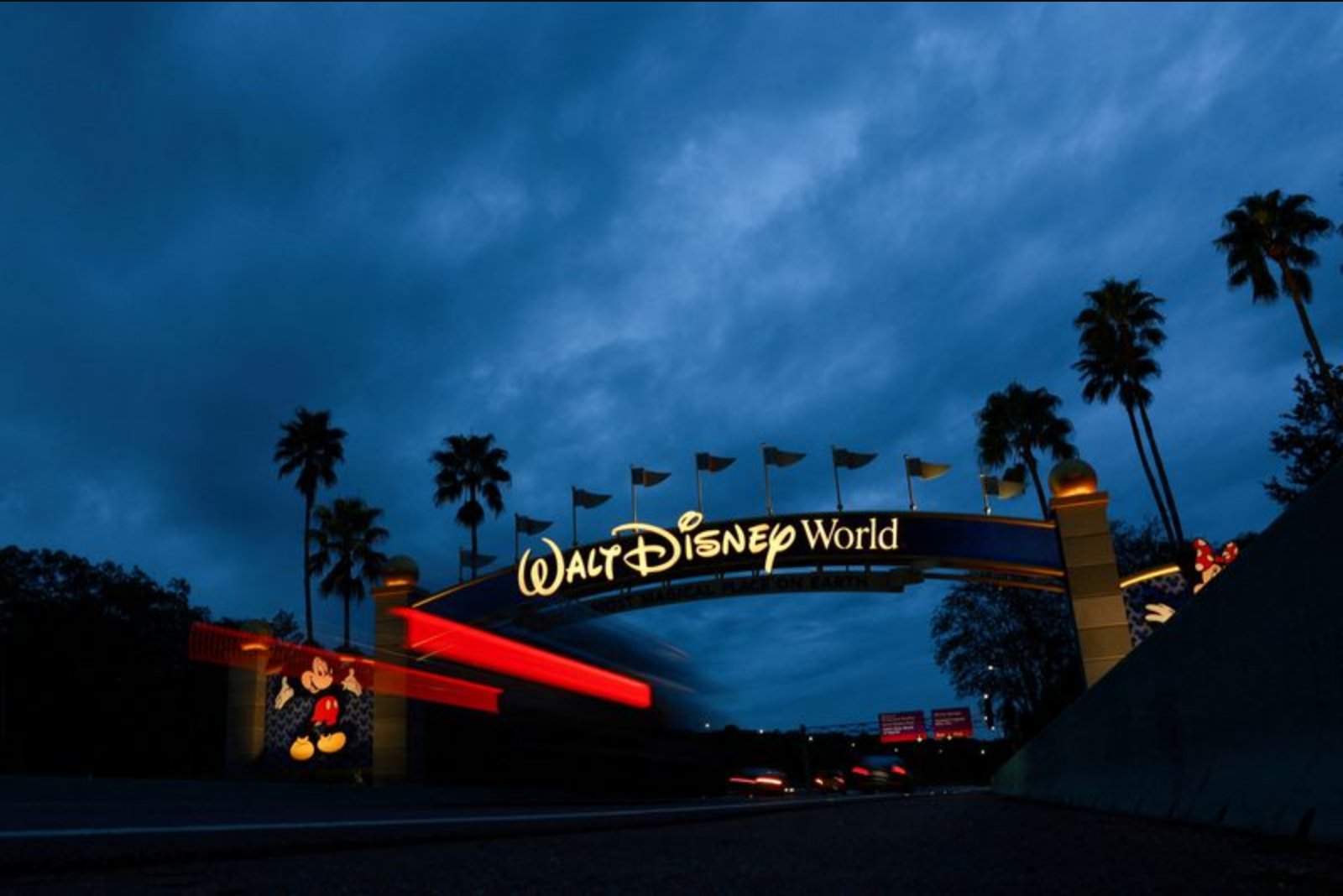
Josh D'Amaro officially assumes the position of chief executive officer at Disney at Wednesday's annual shareholder meeting, taking charge of the entertainment conglomerate at a moment of significant transition.
D'Amaro's track record running Disney's theme parks played a central role in his elevation to the top job. The parks business generated 57% of Disney's profit last year, out of total profit of $17.5 billion, and its performance was a key factor in the board's decision to promote him.
Investors are awaiting D'Amaro's outline for steering Disney into the artificial intelligence era, an environment where large technology companies could alter the economics of media. Market participants also expect him to address potential interruptions to the tourism and parks business linked to geopolitical tensions in the Middle East and the effect of rising oil prices on travel demand.
Beyond the parks, D'Amaro inherits other material challenges. Disney's television business is shrinking, momentum at the box office for major franchises such as Marvel and Star Wars has softened, and the company must compete for audience attention in a fragmented entertainment landscape that includes platforms like YouTube and TikTok.
The new CEO also faces the task of distinguishing his tenure from that of Bob Chapek, another former parks executive who served as CEO for a short, troubled period and whose tenure prompted the return of longtime leader Bob Iger in November 2022. To balance D'Amaro's operational strengths, Disney's board has elevated Dana Walden to president and chief content officer, pairing the parks executive with an experienced television leader.
Analyst Doug Creutz of TD Cowen noted that Walden's creative credentials complement D'Amaro's experience running operations. "It will however be critical for the two executives to be able to forge a strong partnership," Creutz wrote in an analyst note.
Bob Iger will remain a member of Disney's board through the end of the year, when he is due to retire for a second time. When Iger returned to lead the company, the stock had fallen more than 40% in a single year amid investor unease about mounting losses at Disney's streaming media unit.
Activist involvement has been a recurring theme during the leadership changes. One activist investor, Third Point, pushed for Disney to separate its ESPN sports television network before ultimately acknowledging its value to the company. At the same time, Trian Fund Management, co-founded by Nelson Peltz, was buying shares in Disney.
During his second tenure, Iger reorganized the company to restore authority to creative executives and guided the streaming business to profitability. He also presided over a slate of strategic moves that included five films surpassing $1 billion in global box office receipts over the past two years, a $60 billion plan to reinvest in theme parks and cruise ships, the launch of ESPN's streaming service, and a deal with OpenAI.
Despite these achievements, Disney's total return on invested capital under Iger was 11%, which trails the 77% return posted by the S&P 500 Index over the same period. Market valuation metrics show Disney's enterprise value trading at 10 times the next 12 months of EBITDA, below its two-year median of 12 times EBITDA, according to LSEG data.
Bank of America analyst Jessica Reif Ehrlich said she is looking for clarity on D'Amaro's plan for the company. She drew a parallel to Iger's early decisive moves after becoming CEO in 2005, when he quickly reshaped the company, eased tensions with activist stakeholders and completed a rapprochement with Pixar's leadership that opened the door to an acquisition of the animation studio. "Josh is coming from parks. Will he do things quickly? Does he have a plan?" Ehrlich asked. "If he could at least articulate a growth strategy, that would be super helpful."
Summary
Josh D'Amaro assumes the CEO role at Disney at a shareholder meeting, taking charge of a company where parks account for the bulk of recent profits. He must navigate the implications of artificial intelligence for media economics, potential travel disruptions tied to geopolitical developments and oil price movements, the decline of the television business, franchise fatigue at the box office, and intensified competition for viewers' time. Dana Walden is now president and chief content officer, and Bob Iger will remain on the board until year-end.
Key points
- Theme parks accounted for 57% of Disney's profit last year - a major source of the company's $17.5 billion in profit.
- D'Amaro inherits challenges in television, franchise box office performance, streaming economics, and competition from social and short-form video platforms.
- Management structure pairs D'Amaro with Dana Walden to combine operational leadership with seasoned creative oversight; Bob Iger will stay on the board through the end of the year.
Risks and uncertainties
- Geopolitical conflict in the Middle East and rising oil prices could disrupt tourism and the parks business, affecting leisure and travel sectors.
- The rapidly evolving artificial intelligence landscape poses strategic challenges to media economics and the streaming market.
- Ongoing weakness in the television segment and waning blockbuster appeal for flagship franchises could pressure content revenues and advertising-linked businesses.
The company and its investors will be watching for a clear, actionable growth strategy from D'Amaro that addresses both operational strengths and creative imperatives. With activist investors previously pressing strategic options and a market valuation below recent medians, the initial roadmap he lays out may shape investor sentiment and the company's direction through the remainder of the year.