
S&P 500 futures moved slightly lower on Wednesday after reports surfaced that Israeli authorities do not view a collapse of Iran’s clerical leadership as a foregone conclusion despite the ongoing joint U.S.-Israeli air campaign.
According to comments from Israeli officials made in closed sessions, there is no clear expectation that the war will produce an internal uprising or the overthrow of Iran’s government. Those officials said there are no immediate signs that Iranians will rise up in response to the bombardment.
Officials noted a divergence between some public statements and operational assessments. While U.S. President Donald Trump has made remarks suggesting the conflict may be nearing an end, Israeli assessments — described by two senior officials — indicate Washington is not on the verge of ordering a halt to military operations.
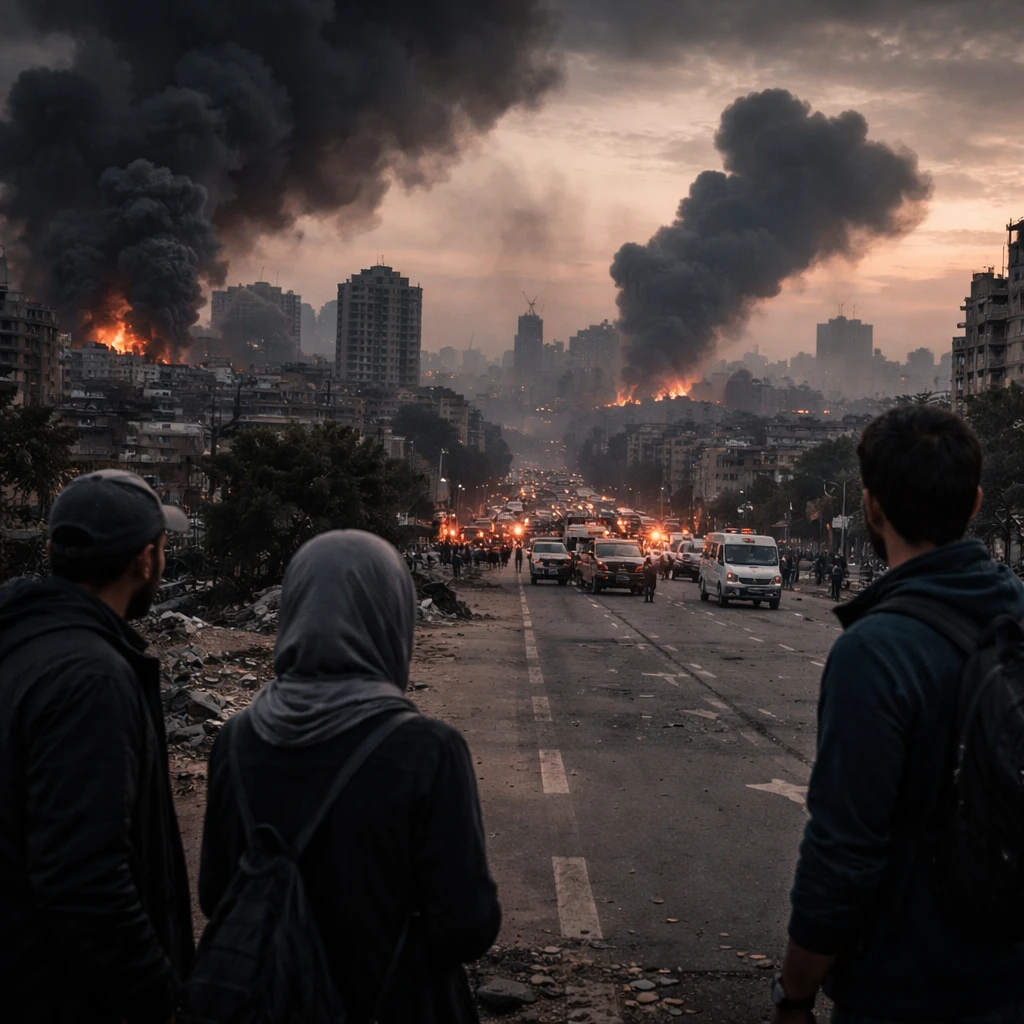
Israeli and U.S. strikes have been characterized by officials as intense. Those strikes, officials say, killed the supreme leader, Ayatollah Ali Khamenei, as well as senior military commanders, and they have also resulted in civilian casualties and damage to homes and public infrastructure. Missiles have struck across Tehran and other cities, a pattern that, combined with threats by Iranian authorities to use deadly force against protesters, has likely discouraged people from taking to the streets until the conflict subsides.
When Israel and the United States launched the joint air campaign, Prime Minister Benjamin Netanyahu framed the operation as a move that could help create conditions for Iranians to "take their destiny into their own hands." In a subsequent statement on Tuesday, Netanyahu reiterated that Israel hopes to assist Iranians in casting off tyranny but emphasized that, ultimately, "it is up to them."
Neither Israel nor the United States has issued a combined public statement clearly defining shared war aims or specifying the conditions that would bring the campaign to a close. Public messaging from the U.S. has been mixed: on Monday, President Trump described the war as "very complete, pretty much," while the White House later said the campaign would end only when the president judged its objectives achieved and Iran was in a state of "unconditional surrender."
Market reactions to the evolving conflict were modest on Wednesday, with futures slipping amid the uncertainty around both the military trajectory and the political outcomes that might follow.
Context and market lens
From an investor perspective, the combination of uncertain war aims and the absence of a clear path to a political transition in Iran contributes to sustained geopolitical risk. That risk can weigh on market sentiment and affect sectors sensitive to conflict and supply-chain disruptions.