
Intel shares jumped 5.9% on Wednesday following remarks from Chief Financial Officer Dave Zinsner at a Morgan Stanley event in which he described a positive near-term outlook for server demand and detailed the company’s current production posture.
Zinsner characterized demand for servers as strong across the board and said the server CPU market is expected to expand meaningfully in 2026. He also said Intel’s manufacturing operations are running above 100% capacity as the broader chip industry contends with widespread shortages.
The CFO cautioned that supply shortages will remain an issue through this year and that managing supply will be an even greater challenge heading into next year. He said the chip sector is experiencing constraints in multiple areas, not confined to a single product line.
Addressing memory specifically, Zinsner said shortages in that segment are expected to persist through 2027, and he identified personal computers as the segment likely to feel the most severe impact from the memory shortfall.
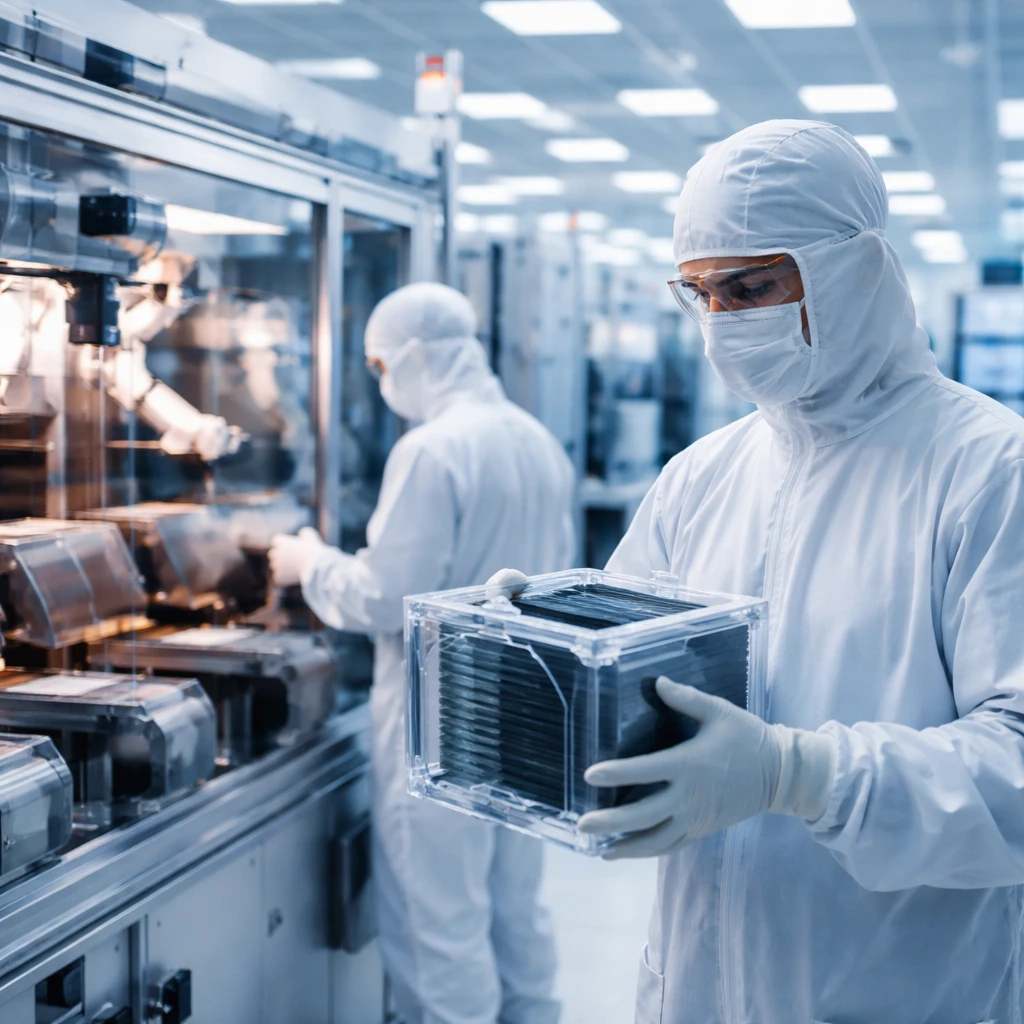
These comments arrive as semiconductor manufacturers work to cope with tight supply conditions across a range of product categories. Intel is responding by operating its fabrication facilities at what the company says is maximum capacity in an effort to meet sustained demand.
The remarks by the CFO and Intel’s reported high utilization of factories were cited by the market as supportive of the company’s near-term performance, prompting the stock’s mid-single-digit gain on the session.
Context and implications
- Intel signals robust server demand trajectory, with notable growth expected in 2026.
- High factory utilization indicates the company is maximizing output amid industry-wide shortages.
- Memory shortages are projected to be prolonged through 2027, with PCs singled out as particularly affected.
While the comments are forward-looking, they are confined to the timeframes and observations Zinsner provided. The company’s account emphasizes current capacity constraints and an expectation that supply-side challenges will continue to be a dominant factor for the industry in the near to medium term.