
Summary
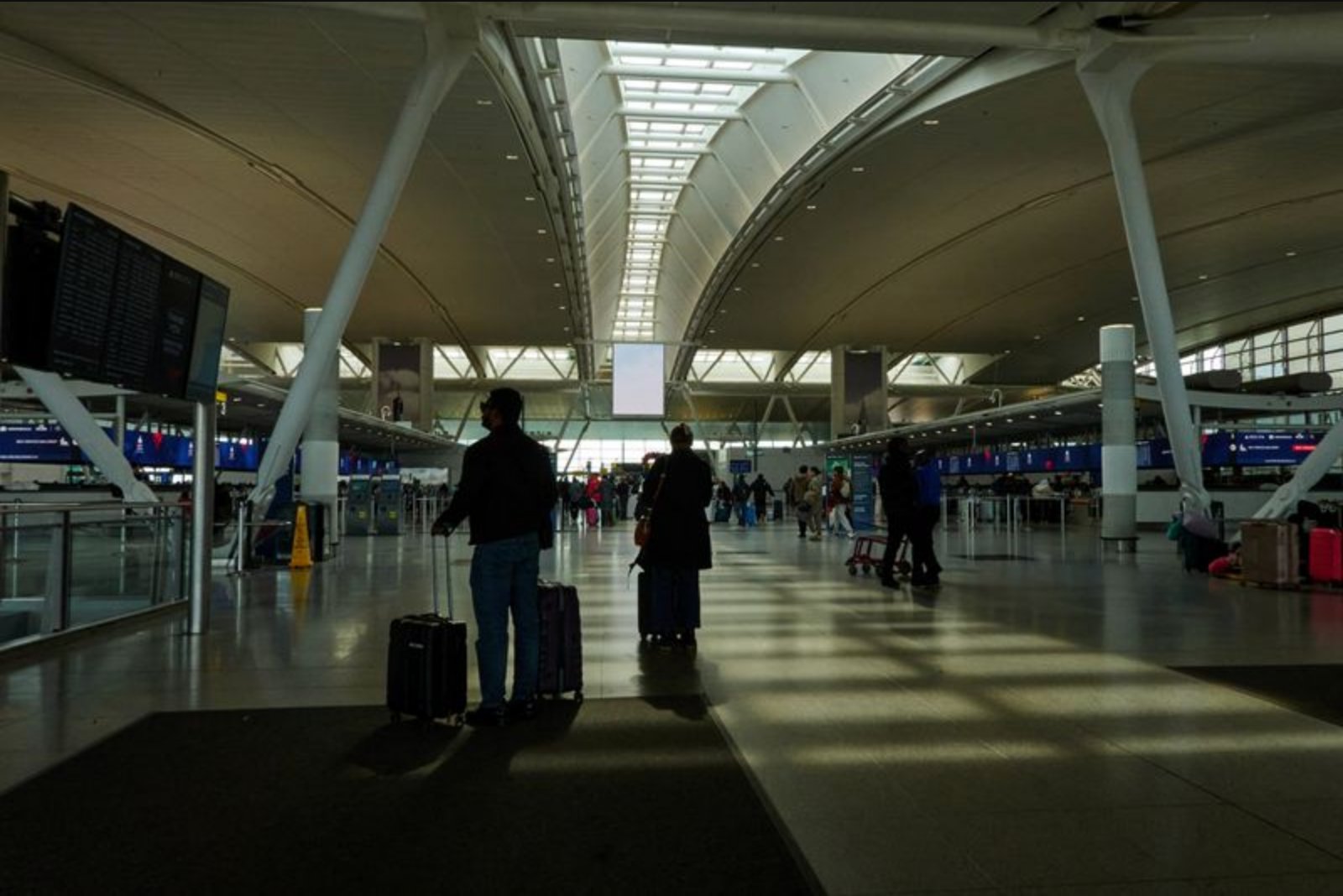
Airlines faced widespread operational disruption for a third straight day as U.S.-Israeli air operations against Iran expanded on Monday with no end in sight. Travel equities plunged across markets from Asia to New York, oil prices jumped, and experts cautioned that conventional insurance arrangements are unlikely to cover lost revenue from such war-related disruptions. Industry practitioners and analysts say hull and liability protections for aircraft exist, but business interruption and property cover often carry war exclusions, exposing aviation, property and shipping sectors to substantial uninsured losses.
Operational and market impact
Thousands of flights were affected worldwide, key Middle Eastern aviation hubs were effectively shut, and travel-related stocks dropped sharply, erasing billions of dollars in market value. The conflict also sent oil prices higher, amplifying cost pressures across transportation networks.
While airlines typically carry aviation war policies that address physical damage to aircraft and associated liability, those products do not generally extend to revenue lost because of operational stoppages. Sources in the insurance industry and analysts noted that such revenue shortfalls are ordinarily the remit of business interruption or commercial property policies, which often exclude war-related events, leaving carriers responsible for the financial impact of halted operations.
Insurance market perspective
- Commercial property exclusions: Analysts at Jefferies said commercial property insurance almost always excludes war-related risks. They highlighted that, unlike marine and aviation exposures, separate war-risk cover for commercial property is not readily available as a standalone policy.
- Potential uninsured property losses: Jefferies added that significant commercial property losses, including damage to high-profile assets such as Dubai’s Palm Jumeirah, may not be indemnified where war exclusions apply.
- Aviation war policies and cancellation rights: Jefferies noted aviation war policies commonly give insurers the right to cancel coverage, and that standard non-war policies typically exclude war perils either explicitly or through force majeure clauses.
- Insurers accustomed to geopolitical events: An industry source said aviation insurers regularly handle complex geopolitical disruptions and, to date, there has been no formal notice of policy cancellation from insurers covering airlines.
- Revenue protection gap: A second industry source emphasized that, although fleets are covered for hull damage and liability under aviation war policies, lost revenue due to operational interruption generally falls under business insurance policies that frequently contain war exclusions, resulting in airlines bearing those losses.
Broader insurance sector implications
Ratings agency Morningstar DBRS warned that the unfolding events pose meaningful underwriting and investment challenges across multiple insurance lines, including marine, aviation, property, travel, and supply chain insurance. In its note the agency wrote, "From an aviation-hull perspective, insurers must consider the risk that missiles or air-defence interceptors could result in large hull and liability claims."
Morningstar DBRS further cautioned that if the conflict in the Gulf expands, it could trigger higher premiums and reduced capacity within terrorism and political violence insurance markets, tightening cover and increasing costs for affected industries.
Shipping insurance surge
Industry sources reported a sharp rise in the insurance cost of moving goods through the Middle East Gulf, with premiums for coverage surging as much as fivefold over the preceding 48 hours. Many underwriters were declining to offer protection for sailings through the Strait of Hormuz, reflecting acute market aversion to the heightened risk environment and creating immediate disruption and inflating costs for maritime logistics.
Consequences for airlines and related sectors
The combination of suspended flights, higher fuel and insurance costs, and limited insurance protections for revenue losses creates a complex financial environment for airlines. While physical damage to aircraft and associated liability may be insured under specific aviation war policies, the typical exclusion of war-related operational losses from business interruption and commercial property policies leaves airlines, and potentially property owners and shippers, exposed to substantial uncovered losses. The evolving situation has clear implications for aviation operations, commercial property owners, shipping firms, and the broader travel sector.
Note on information limits
The reporting reflects statements and assessments from insurance industry sources, analysts and ratings agency commentary. Where industry sources indicated actions or market reactions, those observations are reported as described by the sources.