
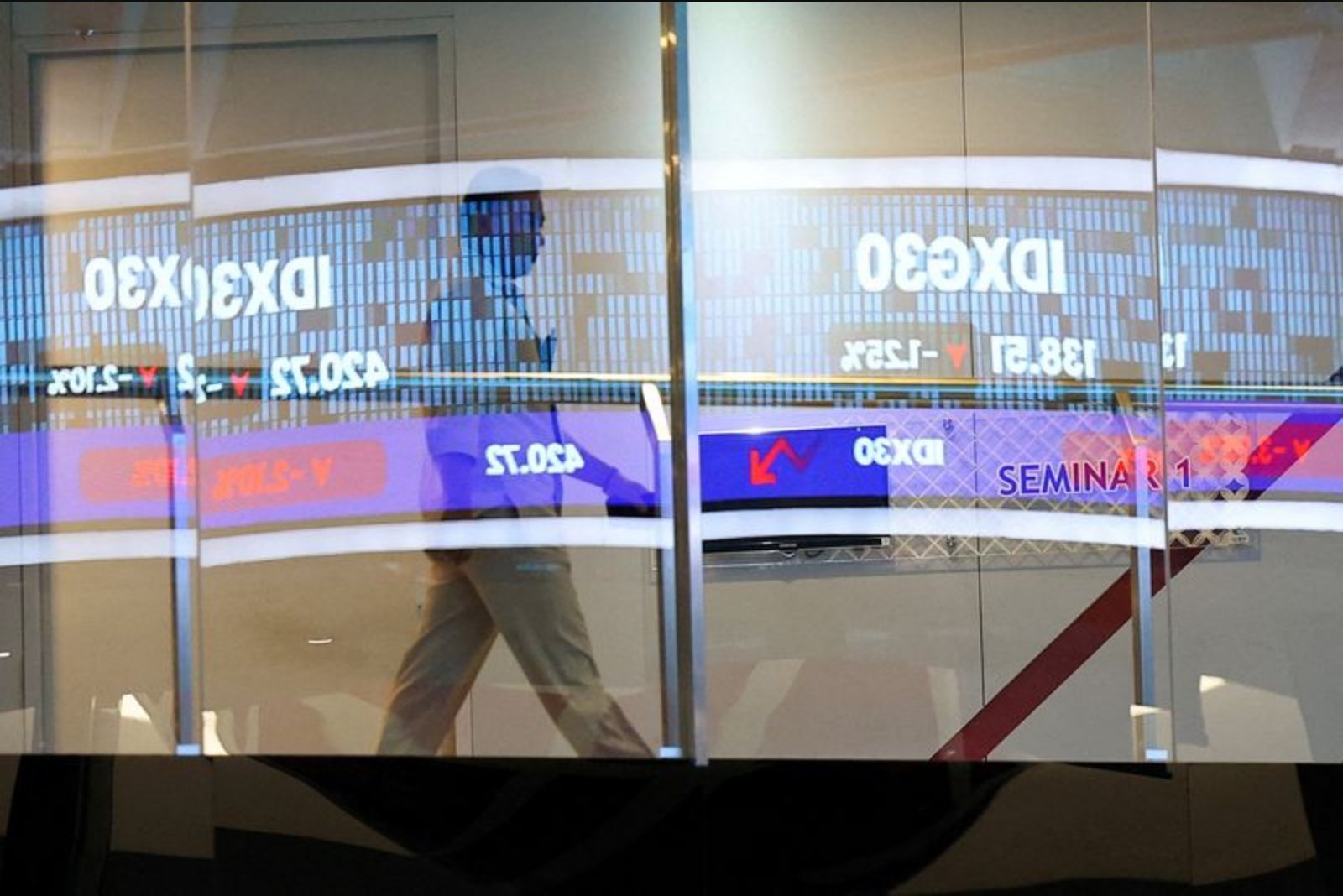
JAKARTA, Feb 27 - The Indonesia Stock Exchange plans to implement, in phases, a policy that will raise the minimum free float for listed companies to 15%, the bourse's interim chief executive said on Friday.
Jeffrey Hendrik indicated the exchange may sort companies into groups based on how ready they are to offer additional freely tradable shares. Under the approach he described, each batch would be allotted one year to reach the new 15% free-float threshold. Hendrik also noted that specific details of the rollout remain subject to approval by the Financial Services Authority.
The comments provide the clearest account so far from authorities about how the bourse intends to enforce the higher mandatory free-float level. The planned change is one element in a set of capital-market reforms that authorities have pledged since MSCI issued a late-January warning that Indonesia risked being downgraded to frontier market status as early as May because of limited transparency that may have enabled price manipulation.
Under the proposed framework, the staged implementation and potential batching of companies is intended to give firms time to increase the proportion of shares available to public trading. Hendrik's description emphasized a phased timeline with one-year compliance windows for each batch, while reiterating that the Financial Services Authority must still approve the final design.
The exchange's statements do not yet specify which companies would be placed into early or later batches, how many batches might be created, or whether any additional measures would accompany the free-float increase. Those operational details will depend on the approval process and any subsequent guidance issued by regulatory authorities.
Context and implications
The proposed increase to a 15% minimum free float is positioned as part of a broader effort to strengthen market transparency and address issues raised by external index providers. The exchange's interim chief executive framed the staged approach as a way to manage implementation across listed firms while awaiting regulator sign-off.
As described, the plan remains conditional on the Financial Services Authority's approval and could be refined or altered during that process.